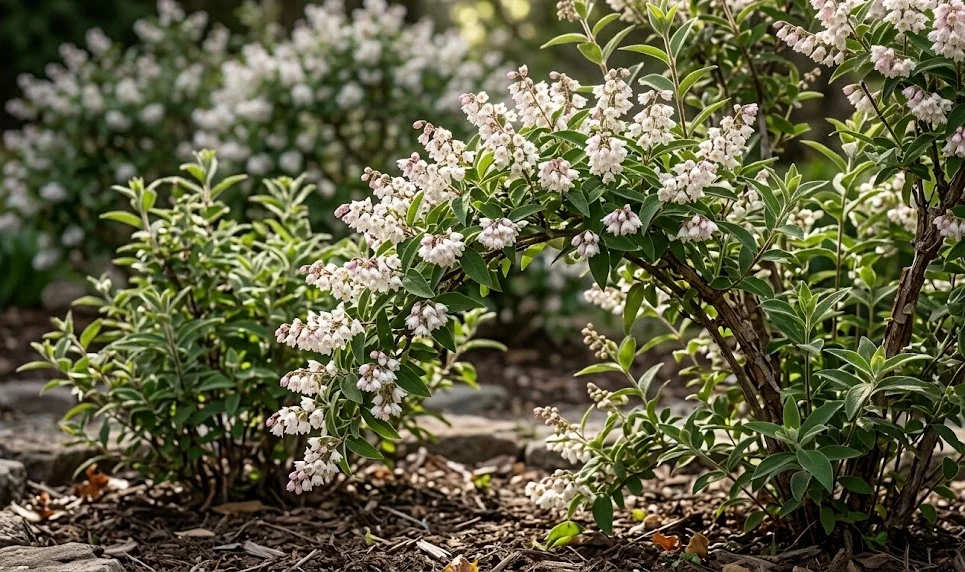

Selecting the right time and place for planting your fuzzy deutzia is the first step toward a successful gardening experience. This shrub is best planted in either the early spring or the late autumn when the temperatures are mild and the plant is not under heat stress. By choosing these transition seasons, you allow the root system to establish itself before the extremes of summer or winter arrive. A well-planned start gives the shrub the best possible foundation for a long and healthy life in your landscape.
Before you even dig a hole, you must carefully evaluate the site to ensure it meets the plant’s basic requirements. Look for a spot that receives plenty of sunlight but is also protected from the strongest afternoon winds. The soil should be well-draining to prevent the roots from sitting in water, which can lead to rapid decline. Taking the time to prepare the site properly will save you a lot of effort and frustration in the following years.
When you are ready to plant, the hole should be dug at least twice as wide as the root ball but no deeper. This allows the roots to easily expand into the loosened soil surrounding the initial planting site. If the soil is particularly poor, you can mix in some high-quality compost to improve its texture and nutrient content. Ensuring the plant is at the correct depth, with the top of the root ball level with the soil surface, is crucial for its survival.
After placing the shrub in the hole, fill the remaining space with soil and firm it down gently to remove any large air pockets. Water the area thoroughly immediately after planting to help settle the soil and provide the roots with much-needed hydration. A layer of mulch applied around the base will help retain moisture and keep the roots cool as they begin to grow. Keep a close eye on the new planting for the first few weeks to ensure it doesn’t dry out.
Methods for successful propagation
Propagating the fuzzy deutzia is a rewarding way to expand your garden collection or share plants with friends. One of the most common methods is through softwood cuttings taken in the early summer months. These cuttings should be taken from the current year’s growth when it is still flexible but starting to mature. With the right conditions, these small pieces of the mother plant can quickly develop their own root systems and grow into independent shrubs.
More articles on this topic
To take a softwood cutting, select a healthy shoot and cut a section about four to six inches long. Remove the leaves from the bottom half of the cutting to reduce moisture loss and expose the nodes where roots will form. Dipping the cut end into a rooting hormone can significantly increase your success rate, although it is not strictly necessary. Place the cutting in a pot filled with a light, well-draining rooting medium like a mix of peat and perlite.
Maintaining high humidity around the cuttings is essential until they have established their own roots. You can achieve this by covering the pots with a clear plastic bag or placing them in a specialized propagation chamber. Keep the cuttings in a bright location but away from direct sunlight, which could overheat them and cause them to wilt. After a few weeks, you can gently tug on the cuttings to see if they have developed roots.
Once the cuttings have a strong root system, they can be transplanted into larger containers with standard potting soil. It is usually best to grow them on in these pots for a few months until they are large enough to handle the conditions in the open garden. Gradually acclimate the young plants to outdoor conditions over a period of a week or two before final planting. This hardening-off process prevents transplant shock and ensures a higher survival rate for your new shrubs.
Advanced propagation through hardwood cuttings
Hardwood cuttings are another effective way to propagate the fuzzy deutzia, typically performed during the dormant season. This method involves taking cuttings from mature wood that grew during the previous summer. Because the plant is dormant, these cuttings are much less sensitive to moisture loss than softwood cuttings. This makes them an excellent choice for gardeners who want a more hands-off approach to plant multiplication.
More articles on this topic
Collect your hardwood cuttings in late autumn or early winter after the leaves have fallen from the shrub. Choose healthy, straight stems that are roughly the thickness of a pencil and cut them into segments about eight inches long. Make a straight cut just below a bud at the bottom and a slanted cut just above a bud at the top. This slanted cut helps you remember which end is the top and allows water to run off more easily.
You can plant these cuttings directly into a prepared nursery bed in the garden or into deep pots. If planting outside, ensure that at least two-thirds of the cutting is buried in the soil to protect it from freezing and drying out. The soil should be kept consistently moist but not saturated throughout the winter and into the following spring. By the time the weather warms up, many of the cuttings will have begun to form calluses and initial roots.
As the spring progresses, the successful hardwood cuttings will start to produce new leaves and shoots. It is important to keep the nursery area free of weeds that could compete with the young plants for resources. Allow the new shrubs to grow in place for at least one full growing season before moving them to their permanent locations. This method requires patience, but it is a very reliable way to produce large numbers of new plants with minimal equipment.
Site preparation and long term planning
Successful planting and propagation both rely heavily on the quality of the environment you provide for the young plants. Before bringing any new deutzia into your garden, you should consider the long-term impact on your overall landscape design. Think about how the shrub’s mature size will interact with existing trees, perennials, and structures. A well-placed deutzia can serve as a beautiful focal point or a functional screen, depending on your needs.
Amending the soil in a large area rather than just the planting hole can lead to much better long-term results. By improving the soil structure across the entire bed, you encourage the roots to spread out and create a more stable plant. This is particularly important for the fuzzy deutzia, which has a relatively vigorous growth rate once established. Using organic matter like leaf mold or compost will build a healthy soil ecosystem that supports all your plants.
Consider the water sources available to your new plantings, as they will need regular irrigation during their first few years. If the site is far from a hose or water barrel, you might find it difficult to keep up with the plant’s needs during a dry summer. Installing a simple drip irrigation system can take the guesswork out of watering and ensure the plants receive a consistent supply. Planning for these practicalities early on makes the actual gardening work much more enjoyable and efficient.
Finally, keep a record of when and where you planted or propagated your shrubs to track their progress over time. This information can be incredibly helpful for future gardening projects and for troubleshooting any issues that may arise. Noticing which methods worked best in your specific garden conditions allows you to refine your techniques and become a more successful horticulturist. Every new plant is an opportunity to learn more about the fascinating world of botany and garden design.