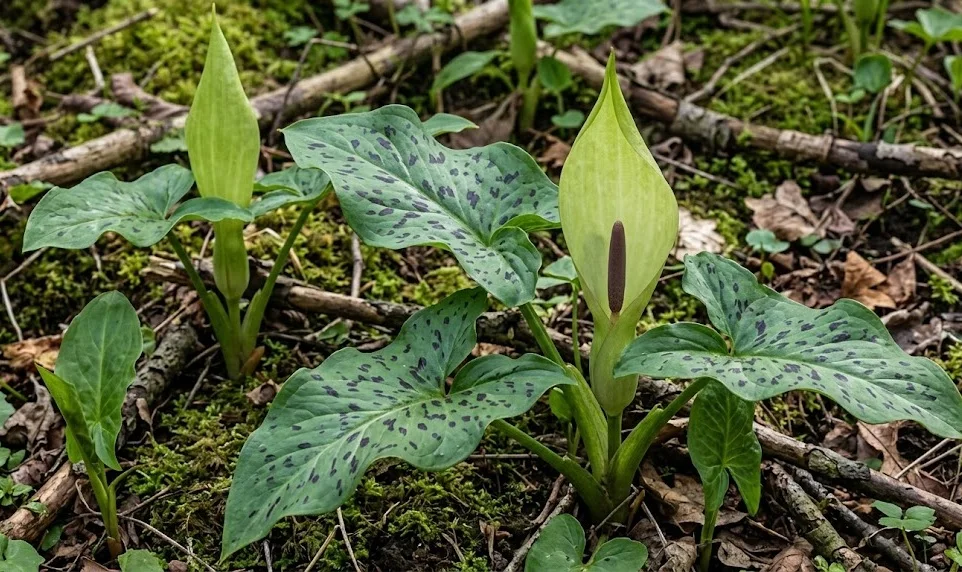

Cultivating a thriving garden environment for these unique woodland perennials requires a deep understanding of their natural lifecycle and specific habitat needs. These plants are best known for their striking spathes and bright red berries, which appear long after the initial spring foliage has faded away. To ensure success, a gardener must respect the rhythm of the woodland floor where these species traditionally reside and flourish without much intervention. Providing the right balance of moisture, shade, and organic matter will reward you with a fascinating architectural addition to your shaded borders.
Understanding the woodland growth cycle
The growth cycle of these perennials is quite distinct from most common garden plants because they emerge very early in the spring season. As soon as the soil begins to warm slightly in late February or March, the arrow-shaped leaves push through the leaf litter. These leaves perform most of their photosynthetic work before the tree canopy above them fully closes and blocks out the primary sunlight. Once the summer heat arrives, the foliage naturally withers away to make room for the developing fruiting spike that carries the berries.
Maintaining this cycle is crucial because the plant relies on its underground tuber to store energy for the following year of growth. If the leaves are removed or damaged too early, the tuber will not receive enough nutrients to produce a strong flower or healthy berries. Gardeners should observe the natural transition from green foliage to the solitary stalk that eventually bears the colorful fruit. This transition is a natural defense mechanism that allows the plant to survive the dry summer months in a dormant state.
Successful cultivation depends on recognizing that the plant is not dead when the leaves disappear in early June. Many novice gardeners mistakenly believe the plant has failed and may attempt to overwater or dig it up during this period. Instead, this is the time when the internal biological processes are focusing entirely on seed production and tuber maturation. By leaving the area undisturbed, you allow the subterranean structures to strengthen and prepare for the next spring emergence.
Environmental cues such as temperature and day length play a significant role in how quickly the plant moves through these stages. In cooler, damper springs, the foliage may persist much longer than in years where the transition to summer is sudden and hot. Understanding these nuances allows a professional gardener to predict the needs of the plant throughout the calendar year. Always look for the first signs of the spathe emerging from the center of the leaf cluster to gauge the health of the specimen.
More articles on this topic
Soil quality and structural requirements
The ideal soil for these plants is one that mimics the rich, loamy floor of an ancient deciduous woodland or forest. It must be exceptionally high in organic matter, which provides both the necessary nutrients and the water-retention capabilities required during the spring. Heavy clay soils can be problematic because they often trap too much water in the winter, leading to potential tuber rot issues. Conversely, sandy soils dry out far too quickly, depriving the plant of the consistent moisture it needs for lush leaf development.
Incorporating well-rotted leaf mold or composted bark into the planting area is the most effective way to improve the soil structure. This organic material helps to create a crumbly texture that allows roots to penetrate deeply while maintaining adequate aeration for the tuber. A slightly alkaline to neutral pH is generally preferred, although the plants are remarkably adaptable to various soil chemistries if the organic content is high. Regular mulching with natural materials will help maintain these conditions over several growing seasons without requiring intensive tilling.
Drainage is perhaps the most critical factor when considering the long-term health of the underground tubers. While the plant enjoys moisture, it cannot tolerate “wet feet” during its dormant summer phase or through the cold winter months. Ensuring that the soil remains moist but free-draining will prevent the onset of fungal pathogens that target the fleshy storage organs. If your garden has naturally heavy soil, consider planting on a slight slope or in a raised bed to facilitate better water movement.
Professional landscapers often recommend testing the soil density before planting to ensure it isn’t overly compacted. Compacted soil restricts the expansion of the tubers and can lead to stunted growth or a lack of flowering over time. If the soil feels hard to the touch, mix in a generous amount of organic soil conditioner to a depth of at least thirty centimeters. This preparation ensures that the root system can establish itself quickly and effectively during the first critical year of growth.
More articles on this topic
Environmental stability and microclimates
Creating a stable microclimate is essential for these plants to reach their full potential and display their characteristic markings. They are highly sensitive to drying winds and intense, direct afternoon sun, which can scorch the delicate leaf tissues very quickly. A sheltered position under the dappled shade of tall shrubs or trees provides the protection necessary for healthy development. The surrounding vegetation also helps to maintain a higher level of ambient humidity, which the plant finds beneficial.
Temperature fluctuations in early spring can sometimes be extreme, but these hardy perennials are usually well-equipped to handle light frosts. The thick, waxy coating on the leaves offers some protection against the cold, though prolonged freezing can cause some cosmetic damage. Planting near a north-facing wall or under a thick evergreen hedge can provide additional thermal mass to stabilize temperatures. This positioning mimics the natural protection offered by the dense undergrowth found in their native woodland habitats.
Air circulation is another factor that shouldn’t be overlooked, even in a sheltered woodland-style garden. While the plants need protection from gales, stagnant air can encourage the development of mildews or other foliar diseases. Space the plants appropriately so that air can flow between the leaves, especially during the humid days of late spring. This balance between shelter and ventilation is the key to maintaining a disease-free environment for the entire growing season.
Observation of how light moves across your garden during the day will help you identify the perfect spot for planting. The goal is to find a location that receives bright light in the morning but remains in deep shade during the hottest part of the day. If the location is too dark, the leaves may become overly elongated and lose some of their distinctive mottled patterning. Finding the “sweet spot” of light and shadow will result in the most aesthetically pleasing and vigorous specimens.
Safety and toxicological considerations
Every professional gardener must be aware that all parts of this plant contain calcium oxalate crystals, which are highly toxic if ingested. These needle-like crystals cause immediate irritation and swelling of the mouth, throat, and digestive tract upon contact. It is essential to wear gloves when handling any part of the plant, especially the tubers or the bright red berries. Education and awareness are the primary tools for preventing accidental poisoning in a domestic or public garden setting.
The berries are particularly dangerous because their vibrant color and attractive appearance can be tempting to children or curious pets. Even though they have an unpleasant, acrid taste that usually prevents significant consumption, a single berry can cause severe discomfort. If you have young children or roaming animals, it is wise to plant these in less accessible areas of the garden. Alternatively, the fruiting spikes can be removed before they fully ripen if safety is a paramount concern.
In addition to ingestion risks, the sap can cause significant skin irritation for individuals with sensitive skin or allergies. When pruning or dividing the plants, ensure that your arms are covered to prevent accidental contact with the milky juices. If sap does touch the skin, wash the area immediately with cool water and mild soap to neutralize the irritants. Being mindful of these properties allows you to enjoy the botanical beauty of the plant without compromising the safety of your household.
Despite its toxicity, the plant has a long history in traditional folklore and was once used for starching linens, though this practice is now obsolete. Understanding the chemical defenses of the plant provides a greater appreciation for its survival strategies in the wild. These toxins serve to protect the plant from mammalian herbivores, ensuring that it can complete its reproductive cycle undisturbed. Respecting the plant’s natural defenses is a core part of being a responsible and informed horticulturist.
Wildlife benefits and ecological value
While toxic to humans, these plants play a fascinating and important role in the local ecosystem, particularly for specific insect species. The unique structure of the flower acts as a temporary trap for small flies, which are attracted by the faint scent and heat produced by the spadix. These insects are held overnight within the base of the spathe, ensuring they are thoroughly dusted with pollen before being released. This specialized pollination strategy is a marvel of the natural world and a great reason to include them in a wildlife garden.
The bright berries, which appear in late summer and autumn, serve as a food source for several species of birds that have adapted to the toxins. Birds such as blackbirds and thrushes are known to consume the berries and subsequently disperse the seeds throughout the landscape. This relationship ensures the continued spread of the species while providing a high-energy food source during the preparation for winter. Observing these birds in your garden adds another layer of interest to the horticultural experience.
The dense foliage produced in the spring also provides excellent cover for ground-dwelling invertebrates and amphibians like toads or newts. These creatures appreciate the cool, moist environment created beneath the large leaves during the daytime heat. By planting these woodland perennials, you are contributing to a more diverse and resilient garden habitat that supports many levels of life. It is a reminder that a garden is more than just a collection of plants; it is a functioning biological community.
Native plants like these are often more resistant to local environmental pressures and require fewer chemical inputs than exotic species. By fostering a garden that includes native woodland elements, you reduce the need for pesticides and artificial fertilizers. This holistic approach to gardening benefits the soil health and the surrounding insect populations, creating a sustainable oasis. Emphasizing ecological value in your plant choices demonstrates a commitment to modern, environmentally conscious gardening practices.
Handling the summer dormancy cycle
Managing the transition into summer dormancy is one of the most misunderstood aspects of caring for these perennials. As the temperatures rise and the spring rains subside, the leaves will naturally begin to turn yellow and eventually collapse. This is not a sign of disease but a programmed biological response to the changing seasons and light levels. You should resist the urge to water excessively during this time, as the plant is preparing to enter a period of rest.
Once the leaves have completely withered and turned brown, they can be gently removed to keep the garden bed looking tidy. However, be careful not to disturb the emerging fruiting spike that may already be visible at the base of the plant. If you prefer a more naturalistic look, the leaves can be left to rot in place, contributing to the leaf mold layer. The most important rule is to avoid digging in the area where the tubers are located during the summer months.
The dormant period is the time when the plant is most vulnerable to physical damage from garden tools or foot traffic. Marking the location of the tubers with a small stake or a stone can prevent accidental disturbance during other gardening tasks. Since there is no visible foliage for several months, it is easy to forget exactly where they are planted. Maintaining a “no-dig” zone around the colony will ensure that the tubers remain healthy and undisturbed until the following spring.
If you are growing these in a mixed border, choose companion plants that will fill the void left by the dormant foliage. Ferns, hostas, or late-blooming woodland flowers make excellent neighbors that can hide the bare spots during the summer. This layering of plants ensures that the garden remains visually appealing throughout the year while respecting the specific needs of the lords and ladies. Strategic planting is the hallmark of a professional garden design that accounts for seasonal transitions.
Long-term maintenance and troubleshooting
The long-term maintenance of a colony is generally low, provided the initial environmental conditions were selected correctly. Over several years, the tubers will naturally multiply and form a denser grouping, which often results in a more impressive spring display. If the plants become overly crowded and flowering begins to diminish, it may be time to consider lifting and dividing them. This should only be done during the dormant period to minimize stress on the growing tissues.
Troubleshooting issues usually involves checking the moisture levels and the amount of direct sunlight the plants are receiving. If the leaves are pale or lack their characteristic spotting, it might indicate a lack of nutrients or a location that is too shaded. Conversely, brown, crispy edges on the leaves are a classic sign of windburn or sunscorch, necessitating a more sheltered position. Always look at the environment first before assuming that a pest or disease is the primary cause of poor health.
Watch for signs of soil compaction or erosion that might expose the tubers to the elements or the light. Exposed tubers should be covered with a fresh layer of compost and leaf mold to protect them from desiccation and temperature extremes. Maintaining a consistent mulch layer is the easiest way to prevent many common problems before they even start. A healthy, well-supported plant is far more likely to resist environmental stresses and occasional pest attacks.
Finally, keep a garden journal to record the emergence dates and the success of the fruiting spikes each year. This record-keeping helps you understand the specific patterns of your garden and how the plants respond to different weather events. Gardening is a continuous learning process, and these ancient woodland plants provide a wonderful opportunity to observe the cycles of nature. With patience and attention to detail, you can maintain a thriving population of these fascinating perennials for many decades.