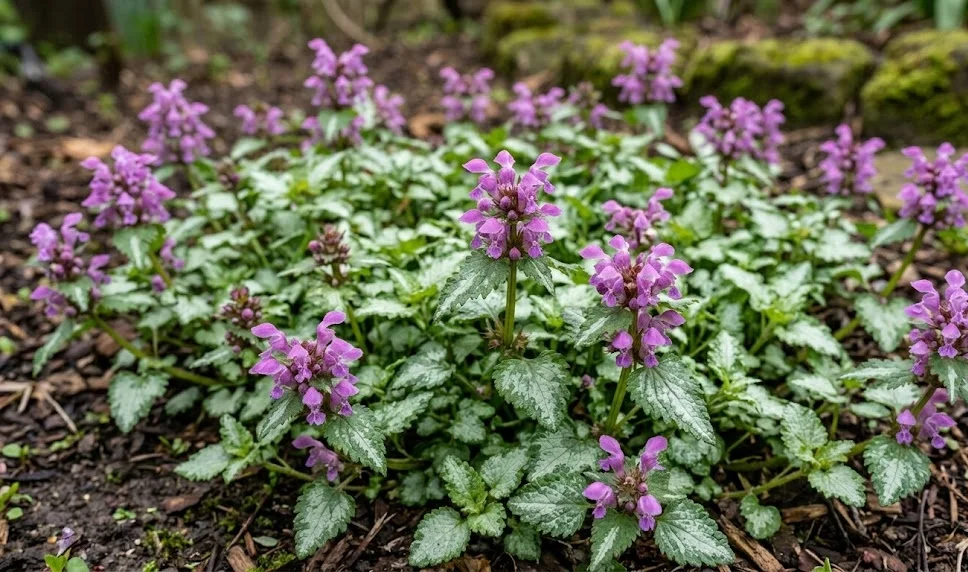

Preparing spotted dead-nettle for the challenges of winter is a critical aspect of long-term perennial care in temperate climates. While this groundcover is known for its hardiness, the combination of extreme cold, desiccating winds, and fluctuating soil temperatures can take a toll on its vigor. A professional overwintering strategy focuses on protecting the root system and managing the transition into dormancy. By taking the right steps in the autumn, one can ensure that the plant emerges in the spring with renewed energy and lush, healthy foliage.
Autumn preparation and cleaning
The process of overwintering begins long before the first frost arrives, with a focus on cleaning and tidying the garden bed. Removing any fallen leaves from taller trees is essential, as a heavy mat of wet leaves can smother the dead-nettle and encourage rot. It is also a good time to trim away any diseased or damaged stems that could harbor pathogens over the winter. This sanitation process reduces the risk of fungal issues when the damp weather of early spring returns.
Reducing the frequency of watering as the temperatures drop helps the plant naturally prepare for its dormant state. However, it is important not to let the soil dry out completely, as the roots still need moisture to survive the winter. A final, deep watering before the ground freezes can provide the necessary hydration to carry the plant through the coldest months. This balance between moisture and drainage is particularly important during the transition into winter.
Weeding the area thoroughly in the autumn prevents competitive plants from getting a head start in the spring. Many common garden weeds can grow during mild winter periods, stealing nutrients and space from the dormant groundcover. Removing these intruders now saves significant work when the gardening season begins in earnest again. A clean, well-maintained bed is much more likely to survive the winter without incident.
Applying a fresh layer of organic mulch after the first light frost provides an extra layer of insulation for the root zone. Materials like shredded bark or clean straw are excellent for regulating soil temperature and preventing the ground from heaving. This layer should be kept light and airy to avoid trapping too much moisture against the plant’s crown. Proper mulching is one of the most effective ways to protect any perennial from winter stress.
More articles on this topic
Protecting against extreme cold
In regions where temperatures drop significantly below freezing, additional protective measures may be necessary for some cultivars. While the species is generally hardy to Zone 4, younger plants or those in exposed locations are more vulnerable to winter kill. Using evergreen boughs or a light layer of hay can provide a buffer against the harshest winds and temperature drops. These materials allow for air circulation while still offering a significant degree of thermal protection.
Frost heaving is a common winter problem where the repeated freezing and thawing of the soil pushes the plant’s roots out of the ground. This exposure can quickly lead to the death of the plant as the roots dry out in the cold air. A steady layer of mulch helps to minimize this effect by keeping the soil temperature more consistent. If heaving is observed during a mid-winter thaw, gently tamping the soil back down around the plant can help save it.
Snow is actually a wonderful natural insulator and should be left in place over the groundcover whenever possible. It provides a stable, protected environment that shields the plants from both extreme cold and drying winter winds. However, heavy, wet snow or ice should be carefully removed if it threatens to crush the stems or block all air access. Managing the snow cover is a subtle but important part of winter maintenance for low-growing plants.
For plants grown in containers, the risk of winter damage is much higher due to the lack of ground insulation. Pots should be moved to a sheltered location, such as an unheated garage or against a south-facing wall, to protect the roots. Wrapping the containers in burlap or bubble wrap can also provide an extra layer of warmth. In some cases, sinking the entire pot into the ground for the winter is the most effective way to ensure survival.
More articles on this topic
Managing moisture during dormancy
Even during its dormant period, the spotted dead-nettle requires a small amount of moisture to maintain its cellular integrity. In many climates, winter precipitation in the form of rain or snow is sufficient to meet this need. However, during particularly dry winters or prolonged periods without snow cover, the roots can become dangerously dehydrated. Monitoring the soil moisture during mid-winter thaws is a mark of a truly attentive gardener.
If the soil feels bone-dry and there is no snow in the forecast, a light watering during a warm afternoon can be beneficial. It is important to do this early in the day so that the water has time to soak into the ground before temperatures drop at night. Avoid overwatering, as the plant’s metabolism is very slow and excess water can lead to rot in the cold soil. The goal is simply to prevent the roots from desiccating completely.
Drainage remains a critical concern throughout the winter, especially during periods of melting snow. Water that pools and then refreezes can create a layer of ice that smothers the plants and damages the foliage. Ensuring that the garden bed is properly graded to allow for runoff is a task that should be completed in the autumn. A well-drained site is much less likely to experience winter-related losses due to ice encasement.
Winter desiccation, often caused by cold winds, is a significant threat to the evergreen or semi-evergreen foliage of this species. The plant loses moisture through its leaves faster than the cold roots can replace it, leading to brown, crispy edges. Providing a windbreak or a light covering can significantly reduce this type of damage. In the spring, these damaged areas can be pruned away to make room for new, healthy growth.
Transitioning back to spring
The final phase of overwintering is the gradual transition back into the active growing season. As the days lengthen and the soil begins to warm, it is important to slowly remove any heavy winter mulches or coverings. Doing this too quickly can expose the tender new shoots to late-spring frosts, while waiting too long can cause the plants to rot under the covers. Timing this removal requires a careful eye on the local weather forecast and the behavior of the plants.
Once the danger of a hard freeze has passed, a general cleanup of the winter debris is in order. This is the ideal time to remove any leaves that have turned brown or mushy over the winter months. Trimming back the stems to the first signs of green growth will encourage the plant to branch out and form a dense mat. This initial spring pruning sets the stage for a spectacular display of color in the coming weeks.
Applying a light application of a balanced, slow-release fertilizer in early spring provides the nutrients needed for a strong start. The plant will quickly respond to the combination of warmth, moisture, and nutrition with a burst of fresh foliage. Monitoring for any signs of winter-related diseases or pests that may have survived the cold is also important at this stage. A healthy transition into spring is the reward for a job well done over the winter.
Overwintering spotted dead-nettle is not just about survival; it is about ensuring the plant is ready to thrive as soon as the conditions allow. Each winter provides a learning opportunity to refine the techniques and adapt to the specific microclimate of the garden. By following these professional guidelines, a gardener can enjoy the beauty of this resilient groundcover year after year. The cycle of dormancy and regrowth is a fundamental part of the perennial gardening experience.