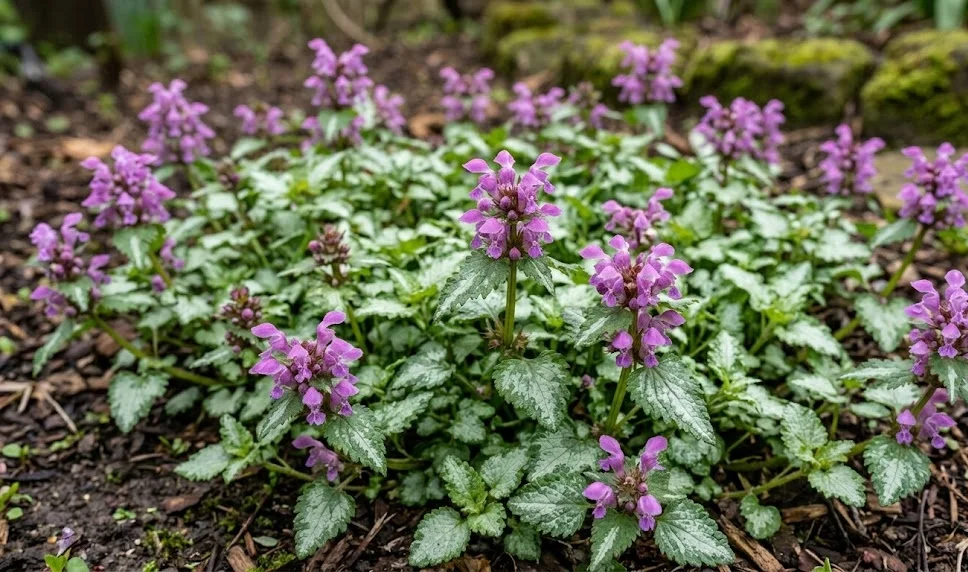

Protecting spotted dead-nettle from the various biological threats it faces is a vital task for maintaining a healthy and attractive landscape. While this species is generally robust, it is not immune to certain fungal pathogens and opportunistic pests that can quickly degrade its appearance. A professional approach involves both preventative measures and the ability to accurately diagnose problems before they become widespread. By fostering a diverse and balanced garden ecosystem, one can significantly reduce the impact of these common horticultural challenges.
Identifying fungal leaf spots
Fungal infections are among the most common issues affecting the foliage of spotted dead-nettle, particularly in humid or overcrowded conditions. These pathogens often manifest as small, dark spots that can eventually merge and cause entire leaves to turn yellow and drop. The primary culprits are often species of fungi that thrive on lingering moisture on the leaf surface. High-density plantings with poor air circulation are particularly at risk during periods of frequent rainfall.
Early intervention is key to preventing a minor leaf spot issue from becoming a full-blown infestation. Affected leaves should be removed and disposed of carefully—never added to a home compost pile where the spores might survive. Improving air movement by thinning out the plants or pruning nearby overhanging branches can help the foliage dry more quickly. If the problem persists, an application of a copper-based fungicide or neem oil may be necessary to protect the new growth.
The choice of watering method also plays a significant role in the development of leaf spot diseases. Overhead irrigation that keeps the foliage wet for extended periods should be avoided whenever possible. Drip irrigation or soaker hoses deliver water directly to the soil, keeping the leaves dry and less hospitable to fungal spores. This simple change in maintenance routine can prevent the vast majority of foliage-related diseases in this species.
It is also important to monitor the health of the soil, as many fungal pathogens can overwinter in fallen plant debris. Regularly cleaning the garden bed and removing old, dead foliage in the spring can break the life cycle of these diseases. Applying a fresh layer of mulch provides a physical barrier between the soil and the leaves, further reducing the risk of infection. A clean environment is the first line of defense against fungal leaf spots.
More articles on this topic
Managing root and crown rot
Root and crown rot are serious conditions that are almost always caused by excessive soil moisture and poor drainage. These diseases are often caused by water molds that attack the plant’s vascular system, leading to sudden wilting and death. The first signs may be a general yellowing of the plant or a lack of vigor, even when the soil appears to be wet. Once the crown turns mushy and brown, the plant is usually beyond saving and should be removed immediately.
To prevent rot, it is essential to plant in well-draining soil and avoid the temptation to overwater. If the planting site is prone to holding water, amending the soil with sand or grit can help improve the situation. Creating a slight mound for the plants to sit on can also encourage water to move away from the sensitive crown area. Prevention is the only truly effective strategy, as these diseases are difficult to treat once they have taken hold.
Regularly inspecting the base of the plants can help catch the early stages of crown rot before it spreads to the entire colony. If a localized area is affected, removing the diseased plants and replacing the surrounding soil can sometimes save the rest of the bed. It is important to sterilize any tools used during this process to avoid spreading the pathogens to healthy areas. Healthy plants in the right environment are much less likely to fall victim to these soil-borne threats.
In container-grown plants, ensuring that the drainage holes remain clear and using a high-quality, porous potting mix is vital. Pots that sit in saucers of water are particularly vulnerable to root rot and should be monitored closely. If a container plant shows signs of distress, it may be necessary to unpot it and inspect the roots for any signs of decay. Healthy roots should be firm and white, while rotted roots will be dark, soft, and foul-smelling.
More articles on this topic
Common insect pests and their control
While not a favorite target for many insects, spotted dead-nettle can occasionally be bothered by aphids and spider mites. Aphids are small, sap-sucking insects that typically congregate on the undersides of leaves or on new, tender growth. Their feeding can cause the leaves to curl or become distorted, and they often secrete a sticky substance called honeydew. A strong blast of water from a garden hose is often enough to dislodge these pests and keep their populations in check.
Spider mites are more difficult to spot, as they are microscopic and usually only noticed when their fine webbing becomes visible. They thrive in hot, dry conditions and cause a stippled or “dusty” appearance on the foliage. Increasing the humidity around the plants and ensuring they are properly hydrated can make the environment less attractive to these mites. In severe cases, insecticidal soap or neem oil can be used to treat the infestation without harming beneficial insects.
Slugs and snails can also be a problem, especially in the shaded, damp environments that the dead-nettle prefers. These mollusks feed on the leaves, leaving behind irregular holes and tell-tale silvery slime trails. Hand-picking them during the evening or using barriers like copper tape or diatomaceous earth can be effective control methods. Encouraging natural predators like toads and ground beetles into the garden provides a sustainable, long-term solution.
Whiteflies are another occasional pest that may appear as tiny, white “clouds” when the foliage is disturbed. Like aphids, they suck plant juices and can weaken the groundcover if left unchecked. Yellow sticky traps can be used to monitor their presence and capture adult flies before they can reproduce. Maintaining a healthy, diverse garden helps ensure that natural predators are present to keep these pest populations under control.
Viral diseases and abnormalities
Viral infections are less common but can be much more challenging to manage because there are no effective chemical treatments. These diseases often cause strange patterns on the leaves, such as mosaic-like mottling, ringspots, or severe stunting of the growth. Viruses are typically spread by sap-sucking insects like aphids or through contaminated gardening tools. If a viral infection is suspected, the affected plant must be removed and destroyed to prevent it from spreading.
It is important to distinguish between viral symptoms and natural variegation or nutrient deficiencies. Natural variegation is usually consistent and follows a predictable pattern across the entire plant. Viral patterns are often more erratic and are usually accompanied by a general decline in the plant’s health. Consulting with a local extension office or a plant pathologist can help in getting an accurate diagnosis of suspicious symptoms.
Practicing good garden hygiene is the best way to prevent the introduction and spread of viral diseases. Always sterilize pruning shears and other tools with a solution of bleach or rubbing alcohol after working on potentially diseased plants. Buying high-quality, certified disease-free plants from reputable nurseries also reduces the risk of bringing viruses into the garden. A proactive approach to sanitation is a small investment that pays large dividends in plant health.
Environmental stress can sometimes cause “physiological” disorders that look like diseases but are actually caused by abiotic factors. For example, extreme temperature fluctuations or improper soil pH can cause unusual leaf colors or growth habits. Ensuring that the plant’s basic needs are met will eliminate many of these confusing symptoms. A professional gardener learns to differentiate between these various stressors to provide the most appropriate care.
Integrated pest management strategies
A modern, professional approach to garden health focuses on Integrated Pest Management (IPM), which prioritizes long-term prevention. This strategy involves regular monitoring, accurate identification of issues, and using the least toxic control methods first. By creating a robust environment, the gardener empowers the plants to naturally resist many common pests and diseases. This ecological mindset results in a healthier garden for both the plants and the local wildlife.
Encouraging beneficial insects, such as ladybugs and lacewings, is a core component of an IPM program. These natural predators feed on many of the common pests that affect spotted dead-nettle, providing a free and effective control service. Planting a variety of nectar-rich flowers nearby can help attract and support these helpful allies throughout the growing season. A balanced ecosystem is often the most resilient defense against any single pest or disease outbreak.
Cultural controls, such as proper spacing and appropriate watering, are the most effective tools in the gardener’s arsenal. By eliminating the conditions that favor pathogens and pests, the need for chemical interventions is drastically reduced. Choosing resistant cultivars of spotted dead-nettle can also provide an added layer of protection against specific local issues. Knowledge of the plant’s lifecycle and its common enemies is the best foundation for a successful IPM plan.
When chemical treatments are necessary, they should be applied precisely and only to the affected areas. Following the manufacturer’s instructions is critical for safety and effectiveness, as well as for protecting the surrounding environment. The goal is always to restore balance to the garden rather than to achieve total eradication of every insect or fungus. This holistic perspective ensures that the spotted dead-nettle remains a vibrant and healthy part of the landscape for many years.