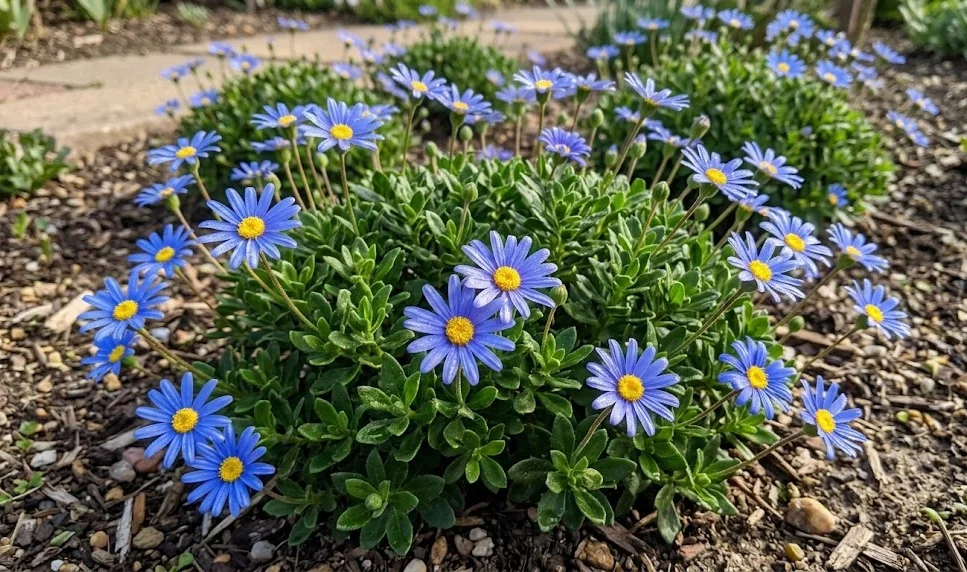

The approach of winter brings a unique set of challenges for those who wish to keep their blue daisies healthy for the following year. As a plant native to warmer regions, it does not possess the natural defenses required to survive freezing temperatures and heavy snow. However, with the right techniques, you can successfully transition these plants through the cold months and enjoy them again in the spring. Overwintering is an essential skill for any gardener who wants to treat these beautiful perennials as more than just temporary annuals.
The first step in a successful winter strategy is understanding the specific hardiness of the variety you are growing. Most blue daisies can tolerate a light frost, but they will suffer significant damage if the ground freezes or the temperatures stay below zero for long. If you live in a region with mild winters, you might be able to get away with providing some extra protection in the garden bed. For everyone else, moving the plants to a more sheltered environment is the only way to ensure their survival.
Timing is critical when it is time to bring your plants indoors or into a greenhouse for the season. You should aim to move them before the first hard frost, as the sudden shock of extreme cold can be fatal. This is also a good opportunity to perform a thorough health check and remove any pests that might want to hitch a ride into your home. A clean transition is the key to preventing problems during the period of winter dormancy.
During the winter, the goal is not to keep the plant growing actively, but to keep it alive in a state of rest. This means reducing your care routine significantly and letting the plant follow its natural biological clock. You will find that the plant needs very little from you during this time, provided it has a stable environment and just enough moisture. Proper overwintering is a mark of a professional gardener who values the longevity of their plant collection.
Hardiness limits and temperature zones
The blue daisy is generally classified as being hardy in zones nine through eleven, meaning it can only survive the winter outdoors in relatively warm climates. In these areas, the plant might remain evergreen throughout the year, although its growth will naturally slow down in the cooler months. If you are lucky enough to live in such a region, your main task is simply to ensure the soil doesn’t stay too wet during winter rains. Providing a layer of mulch can also help protect the roots from any unexpected cold snaps.
More articles on this topic
For those in zone eight or lower, the plant must be treated as a tender perennial that requires significant winter protection. This is where the distinction between a “cool” and a “cold” winter becomes very important for the plant’s survival. Even a single night of extreme cold can kill a blue daisy that has been thriving all summer. Understanding your local microclimate and the typical dates of the first and last frosts is essential for planning your winter care.
If you choose to keep your plants in the ground, you can use protective devices like frost blankets or cloches during the coldest nights. These tools trap the heat radiating from the ground and can provide a few degrees of extra warmth for the foliage. However, this is usually only a temporary solution and won’t be enough for a long, harsh winter with deep snow. Experienced gardeners in colder zones almost always opt for moving their plants into containers that can be sheltered.
The temperature of the root zone is actually more important than the air temperature when it comes to the long-term survival of the plant. A frozen root ball will cause the cells to burst, leading to the rapid death of the entire plant. This is why plants in containers are much more vulnerable to cold, as the thin walls of the pot offer very little insulation. If you must leave pots outside, wrapping them in bubble wrap or burlap can help slow down the cooling process.
Preparing the transition to indoor life
Before you move your blue daisies indoors, it is vital to prepare them for the change in environment. The air inside a typical home is much drier and the light levels are significantly lower than what the plant experienced outdoors. You should start by pruning back the stems by about one-third to make the plant more manageable and reduce its need for water. This also encourages the plant to enter a resting state rather than trying to sustain a large amount of foliage.
More articles on this topic
Inspect the plant meticulously for any signs of insects like aphids, mites, or whiteflies that might have established themselves during the summer. It is much easier to treat these pests while the plant is still outside than it is once they have spread to your other houseplants. A gentle wash with a hose or an application of insecticidal soap can clear away most unwanted visitors. You should also check the soil surface for any slugs or snails that might be hiding in the debris.
Selecting the right indoor spot is the next important decision you’ll need to make for your overwintering plants. A cool, bright room like a sun-porch, an unheated guest room, or a well-lit garage is often the best choice. You want to avoid placing the plants near heat vents or radiators, as the dry, hot air will quickly dehydrate the leaves. A temperature range of between five and fifteen degrees Celsius is ideal for maintaining a healthy dormancy.
If you don’t have a spot with enough natural light, you might need to supplement with a simple grow light for a few hours each day. While the plant doesn’t need to be in “full sun” during the winter, it still needs some light to maintain its basic biological functions. The transition should be as gradual as possible to allow the plant’s internal systems to adjust to the new conditions. With a little bit of planning, the move indoors can be a stress-free experience for both you and your plants.
Maintenance during the period of dormancy
Once the blue daisy has settled into its winter home, your main job is to be as hands-off as possible. The plant’s metabolism will slow down significantly, meaning it will use very little water and almost no nutrients. You should stop all fertilization entirely during the winter months, as feeding the plant now would only encourage weak, spindly growth. The goal is to keep the plant in a state of suspended animation until the days begin to lengthen again in the spring.
Watering should be done with extreme caution during the dormancy period to prevent the development of root rot. You should only add water when the soil feels dry several centimeters below the surface, which might only be every two or three weeks. When you do water, provide just enough to moisten the root ball without leaving the pot sitting in a saucer of water. Overwatering is the single most common cause of death for plants being overwintered indoors.
Humidity can be a challenge in heated homes, so you might want to place the pots on a tray filled with pebbles and a little bit of water. As the water evaporates, it creates a small microclimate of higher humidity around the foliage without making the soil too wet. Alternatively, a quick misting with a spray bottle every few days can help keep the leaves from becoming too brittle. Just be careful not to overdo it, as stagnant moisture on the leaves can still lead to fungal issues even in winter.
Keep a close eye on the plant for any signs of stress or the emergence of pests that might have survived the initial cleaning. Winter is a prime time for spider mites to flare up in the dry air of a home, so check the undersides of the leaves regularly. If you notice any yellowing or dropping leaves, it is often just a natural part of the dormancy process and not necessarily a cause for alarm. A calm and observant approach will help you steer your plants safely through the darkest months of the year.
Re-acclimatization and spring return
As the days begin to get longer and the temperatures start to rise, you will notice the first signs of new life on your blue daisies. This is the signal that the dormancy is ending and the plant is ready to start its new growing season. You can gradually increase the frequency of your watering and move the plant to a slightly warmer and brighter spot. This slow “wake-up” process helps the plant transition back into its active growth phase without too much shock.
Before moving the plants back outside permanently, they must undergo the process of hardening off once again. This involves placing them outdoors for a few hours during the warmest part of the day and then bringing them back in at night. You should start in a sheltered, shady spot and slowly increase their exposure to direct sunlight and wind over the course of ten to fourteen days. This toughens the new leaves and prevents them from being scorched by the intense spring sun.
Once the danger of frost has completely passed, you can return the plants to their summer positions in the garden or on the patio. This is also the best time to give them their first feeding of the year to support the flush of new growth. You might want to do some light pruning to remove any stems that died back during the winter and to shape the plant for the coming season. Your blue daisy will soon reward your winter efforts with a fresh set of vibrant green leaves.
If the plant has become root-bound in its container during the winter, spring is also the perfect time for repotting. Moving it into a slightly larger pot with fresh, nutrient-rich soil will give it the space it needs to expand its root system. You will be amazed at how quickly the plant can bounce back and start producing those iconic blue flowers once it is back in its preferred environment. Successful overwintering is a cycle that brings a great deal of satisfaction to the dedicated gardener.