
Understanding the specific light requirements of spearmint is a fundamental component of professional herb cultivation that directly influences the plant’s health and flavor. While mint is often praised for its adaptability, providing the ideal amount and quality of light is essential for maximizing the production of aromatic essential oils. Sunlight acts as the primary energy source for the plant, driving the photosynthesis that creates the succulent leaves we harvest. Whether you are growing in a large garden bed or a small balcony pot, managing light exposure is a key task for every gardener.
Ideal sunlight exposure levels
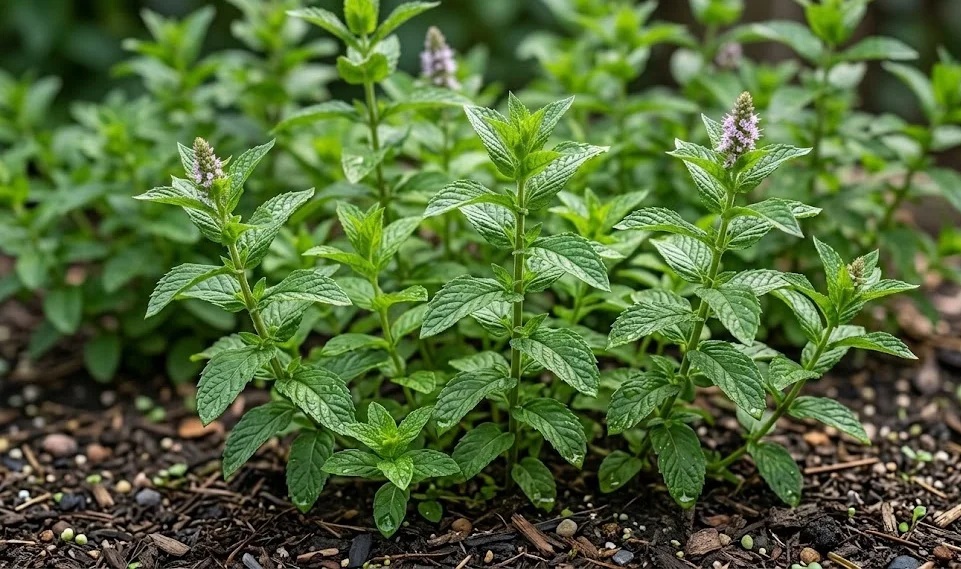
Spearmint is most productive when it is grown in a location that receives full sun for a significant portion of the day, typically between six and eight hours. Direct sunlight provides the intense energy needed for the plant to develop strong stems and a high concentration of the oils that give it its signature scent. In cooler climates, full sun is often the preferred setting as it helps to warm the soil and extend the growing season. Plants grown in optimal light conditions will have a compact, bushy habit with vibrant green leaves that are packed with flavor.
However, “full sun” can sometimes be too intense in regions with extremely hot summers or in gardens with very reflective surfaces. In these cases, providing the plant with direct morning sun followed by a bit of light afternoon shade can prevent the foliage from scorching. The morning sun is generally less intense and provides the light needed for growth without the high heat that can lead to wilting. Observing your plants during the hottest part of the day will help you determine if they are thriving or if they are showing signs of light stress.
If spearmint receives too much direct, harsh sunlight without adequate water, the leaves can become small, tough, and may even develop brown, crispy edges. This is a defensive response by the plant to reduce water loss, but it results in a less desirable harvest for culinary use. To balance the light and heat, you can use taller plants or garden structures to provide filtered light during the peak intensity hours. Finding the right balance between light and temperature is a hallmark of an expert gardener’s skill set.
Conversely, if the light levels are too low, the plant will become “leggy,” with long, thin stems and fewer leaves as it reaches toward the light source. These plants are often weaker and more susceptible to pests and diseases because they aren’t producing enough energy to maintain a strong immune system. The leaves of shade-grown mint also tend to have a much milder flavor and a less potent aroma compared to those grown in the sun. If you notice these symptoms, it is a clear sign that your spearmint needs to be moved to a brighter location.
More articles on this topic
Managing partial shade conditions
One of the great advantages of spearmint is its ability to tolerate partial shade better than many other common culinary herbs like basil or rosemary. This makes it an excellent choice for those parts of the garden that don’t receive all-day sunlight, such as areas near north-facing walls or under the canopy of large trees. In partial shade, the plant will still grow steadily, though it may not be as dense or as fast-growing as it would be in a sunnier spot. This adaptability is particularly useful in urban gardens or on shaded balconies where full sun is a luxury.
When growing in partial shade, it is important to ensure that the light the plant does receive is of high quality and not completely blocked by dense foliage. Dappled sunlight, where the plant receives intermittent patches of sun throughout the day, is often quite successful for spearmint. You should also be more mindful of watering in shaded areas, as the soil will not dry out as quickly as it does in the sun. Overwatering is a common mistake in shaded spots, as the lower light levels lead to slower transpiration rates in the plant.
Shaded environments are also more prone to higher humidity levels, which can increase the risk of fungal diseases like powdery mildew or rust. To counter this, you should provide even more space between plants to ensure maximum air circulation around the foliage. Regularly thinning out the stems can also help light reach the inner parts of the plant and keep the soil surface from becoming too damp. Even in the shade, spearmint remains a vigorous grower, so you will still need to manage its spread effectively.
If you find that your shaded spearmint is not performing as well as you’d like, you can try to “brighten” the area using light-colored mulches or reflective surfaces nearby. Painting a nearby wall white or using light-colored stones can help bounce more ambient light onto the plants. Many professionals find that spearmint grown in partial shade has a slightly sweeter and more delicate flavor, which can be a pleasant variation for certain recipes. Understanding how shade affects the plant allows you to utilize every corner of your garden effectively.
More articles on this topic
Effects of intense heat and light stress
During the height of summer, the combination of intense sunlight and high temperatures can put a significant amount of stress on your spearmint plants. While the light is necessary for growth, excessive heat can lead to a physiological response where the plant temporarily stops photosynthesizing to conserve moisture. You may notice your mint wilting in the afternoon even if the soil is still relatively moist, which is a sign of “transpirational stress.” Providing temporary shade with a piece of lattice or a shade cloth during heatwaves can help the plant through these difficult periods.
Intense light can also cause the essential oils in the leaves to dissipate more quickly, potentially reducing the quality of your harvest if you pick during the heat of the day. To avoid this, always harvest your mint in the cool of the morning when the oil concentration is at its peak and the plant is fully hydrated. If the light stress is prolonged, the leaves may take on a yellowish or bronzed appearance, indicating that the chlorophyll is being damaged by the UV rays. This is often accompanied by stunted growth and a general decline in the plant’s aesthetic appeal.
Mulching is especially important in high-light environments because it helps keep the root zone cool while the foliage is exposed to the sun. A cool root system allows the plant to continue taking up water efficiently even when the air temperature is high. You should also ensure that your watering routine is consistent, as a plant that is well-hydrated is much more resilient to the effects of intense light. In extreme cases, you may need to water your spearmint both in the morning and the evening to keep up with the evaporation.
If you are growing spearmint in a climate with very intense sun, consider choosing a variety that is known for its heat tolerance. Some cultivars have slightly thicker or more textured leaves that are better adapted to resisting solar damage and retaining moisture. By being proactive and observing how your plants react to the summer sun, you can make the necessary adjustments to keep them healthy. A professional gardener knows that the right amount of light is a blessing, but too much can become a challenge that requires careful management.
Artificial lighting for indoor growth
For those who wish to grow spearmint indoors or in low-light environments, artificial lighting provides a reliable and effective solution. Modern LED grow lights are particularly well-suited for herbs because they can be tuned to the specific wavelengths of light that promote vegetative growth. By providing a consistent “daylight” cycle of 12 to 14 hours, you can keep your spearmint productive even in a dark basement or a windowless kitchen. This technology has revolutionized indoor herb gardening, making it possible to have fresh mint regardless of the outdoor weather.
When setting up your artificial lights, the distance between the light source and the plant is a critical factor for success. If the light is too far away, the spearmint will become leggy as it tries to reach the source, similar to how it behaves in deep shade. Conversely, if the light is too close, it can actually burn the leaves or cause heat stress, even with relatively cool LED bulbs. A general rule of thumb is to keep the lights about 6 to 12 inches above the top of the plant, adjusting as it grows taller.
Using a timer to regulate the light cycle ensures that your spearmint gets the consistent “rest” period it needs every night. Just like humans, plants have a circadian rhythm and require a period of darkness to complete certain metabolic processes. A 14-hour light and 10-hour dark cycle is often ideal for mimicking a bright summer day and encouraging vigorous growth. You should also periodically rotate your pots to ensure that all sides of the plant receive equal amounts of light, preventing it from leaning in one direction.
While artificial lights can replace the sun, they don’t provide the same heat, so you may need to monitor the ambient temperature of your indoor growing area. Spearmint prefers temperatures between 65°F and 75°F (18°C to 24°C) for optimal growth when combined with high-quality light. If your indoor space is particularly cool, the growth will be slower regardless of how much light you provide. Combining modern technology with an understanding of the plant’s biological needs allows you to enjoy a thriving spearmint patch anywhere in your home.