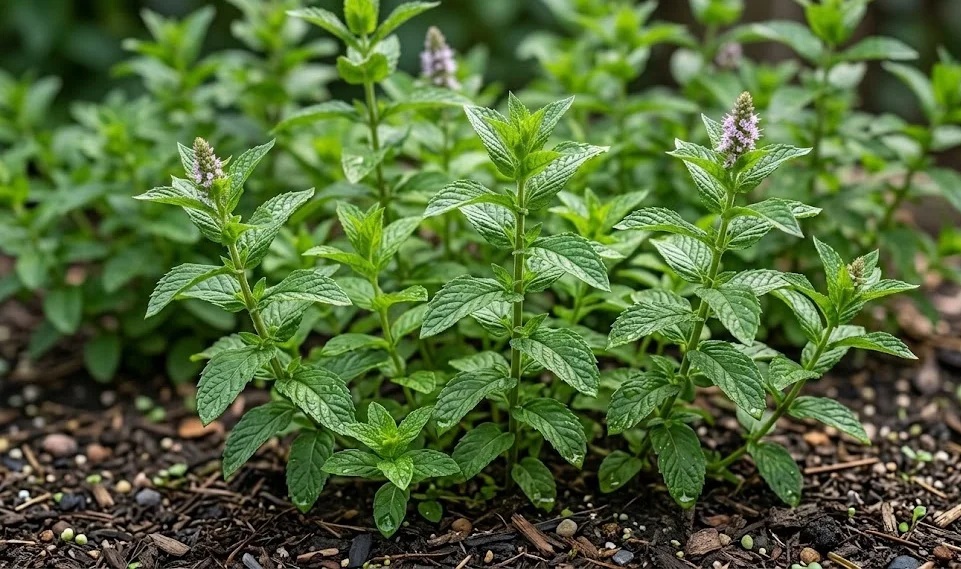

Spearmint is a remarkably resilient herb that can thrive in various conditions if the gardener provides the right foundation from the start. Choosing the correct location in your garden is the first step toward a bountiful harvest of aromatic leaves throughout the season. This plant prefers soil that is rich in organic matter and capable of retaining moisture without becoming waterlogged or swampy. When you take the time to prepare the site properly, you set the stage for a healthy plant that will resist many common environmental stressors.
Understanding the soil environment for mint
The quality of the soil directly impacts the essential oil content within the leaves, which gives the plant its signature scent and flavor. Expert gardeners often recommend a soil pH that sits between 6.0 and 7.0 for optimal nutrient uptake and root health. You should consider incorporating aged compost or well-rotted manure into the bed before planting to improve the overall texture. Soil that is too sandy will dry out too quickly, while heavy clay can suffocate the roots during periods of heavy rain.
Consistency in the soil structure allows the rhizomes to spread evenly without facing unnecessary resistance from compacted earth. If your garden soil is naturally poor, creating a raised bed can offer much better control over the growing medium’s composition. Many professionals find that a mixture of garden loam, peat moss, and perlite creates the perfect balance of drainage and water retention. Testing your soil every few years ensures that the mineral balance remains favorable for the vigorous growth this species is known for.
Organic matter serves as a slow-release fuel source that supports the rapid vegetative growth seen in late spring and early summer. It also helps to harbor beneficial microbes that protect the root system from various soil-borne pathogens. When you prepare the ground, make sure to dig down at least twelve inches to ensure the roots can penetrate deeply. Aerating the soil during this preparation phase prevents future compaction which could otherwise lead to stunted growth or yellowing foliage.
Final site preparation should include the removal of any perennial weeds that might compete for nutrients during the early stages of establishment. Spearmint is a strong competitor, but it appreciates a clean start where it doesn’t have to fight for space immediately. Leveling the surface helps prevent water from pooling in certain areas, which ensures an even distribution of moisture across the entire root zone. Once the site is ready, you will notice that the plants settle in much faster and begin producing new shoots within just a few weeks.
More articles on this topic
Managing growth and avoiding invasiveness
One of the most significant challenges with spearmint is its natural tendency to take over the entire garden if left unchecked. The plant spreads through underground runners known as rhizomes, which can travel surprisingly far in a single growing season. To keep this herb in its designated area, many experienced growers choose to plant it in bottomless buckets buried in the ground. This method provides the visual appeal of a garden bed while physically restricting the lateral movement of the aggressive root system.
If you prefer a more natural look, you must be prepared to perform regular maintenance to keep the boundaries clear. Digging around the edges of the mint patch with a sharp spade can help sever any runners that are attempting to escape. It is much easier to manage the plant through frequent, minor interventions than to deal with a massive takeover later. Many people forget that even a small piece of root left in the ground can eventually grow into a brand-new plant.
Surface runners should also be monitored, as they can quickly root themselves into nearby mulch or lawn areas. These stems are easy to spot and can be redirected or clipped back to the main plant body without causing any harm. Consistency is the key when dealing with such a vigorous grower, especially in moist and fertile environments where it excels. By staying vigilant, you can enjoy the benefits of fresh herbs without the headache of them smothering your other prize perennials.
For those with limited space, container gardening is often the most professional and practical solution for growing spearmint. Large pots allow the roots to expand while ensuring the plant remains completely isolated from the rest of the landscape. You can even sink these pots into the ground to maintain a seamless look with the rest of your herb garden. This approach simplifies the management process and allows you to move the plant if the lighting conditions in your garden change over time.
More articles on this topic
Seasonal maintenance routines for peak performance
Maintaining the health of your mint requires a different approach depending on the specific time of the year and the weather patterns. In early spring, removing the old, woody stems from the previous year encourages the plant to focus its energy on fresh, green growth. This cleanup process also improves airflow around the base of the plant, which is vital for preventing fungal issues. As the temperatures rise, you should monitor the foliage for any signs of stress or nutrient depletion that might occur during rapid growth spurts.
Mid-summer is the time when the plant is most active and requires the most attention regarding its physical structure. Regularly pinching off the tips of the stems prevents the plant from becoming leggy and encourages a bushier, more compact habit. This practice not only makes the plant look better but also increases the yield of harvestable leaves for culinary use. If you notice the plant starting to produce flowers, it is usually best to cut them back unless you are specifically growing them for pollinators.
As autumn approaches, the growth rate will naturally begin to slow down as the plant prepares for its dormant phase. This is a good time to reduce any heavy fertilization and allow the plant to harden off before the first frost arrives. You might notice the leaves taking on a slightly different hue, which is a normal response to the cooler nights and shorter days. Cleaning up fallen debris around the plants at this stage helps to minimize the overwintering sites for common garden pests.
Winter care involves protecting the crown of the plant from extreme temperature fluctuations, especially in regions with harsh winters. While spearmint is quite hardy, a thin layer of straw or evergreen boughs can provide just enough insulation to ensure a quick recovery in the spring. If you are growing your mint in containers, moving them to a sheltered spot or wrapping the pots can prevent the root ball from freezing solid. Proper seasonal care ensures that your mint remains a permanent and productive fixture in your gardening landscape.
Professional harvesting techniques for maximum yield
Knowing how and when to harvest your spearmint is essential for maintaining both the quality of the herb and the health of the plant. The best time to pick the leaves is in the morning after the dew has dried but before the sun becomes too intense. This is when the concentration of essential oils is at its peak, providing the most potent flavor and aroma. You should always use sharp scissors or garden snips to ensure clean cuts that heal quickly without inviting disease.
Frequent harvesting actually benefits the plant by stimulating new growth from the leaf axils below the cut. You can safely remove up to one-third of the plant’s total mass at a single time without causing significant stress. Always leave enough foliage so the plant can continue to photosynthesize and replenish its energy reserves for future production. If you need a large amount of mint for drying or processing, a major harvest just before the plant flowers will yield the best results.
When harvesting individual leaves for immediate use, start from the top of the stem and work your way down. The younger leaves at the tips are generally more tender and have a sweeter, more delicate flavor profile compared to the older ones. However, the larger, older leaves are perfectly suitable for infusions, teas, or creating mint oils where volume is more important. By rotating your harvest areas, you ensure that the entire patch remains productive and aesthetically pleasing throughout the season.
Proper handling after harvest is just as important as the technique used to remove the stems from the plant. If you aren’t using the mint immediately, placing the stems in a glass of water like a bouquet can keep them fresh for several days. For longer-term storage, the leaves can be dried in a cool, dark place with good circulation or frozen in ice cube trays. Understanding these nuances allows you to make the most of your garden’s output while keeping your spearmint plants in top condition.
Tool maintenance and garden hygiene
Using clean and sharp tools is a fundamental aspect of professional herb gardening that many beginners overlook. Dull blades can crush the stems instead of cutting them, which creates jagged wounds that take longer to heal and are prone to infection. You should make it a habit to wipe your shears with isopropyl alcohol before and after working with your mint plants. This simple step prevents the accidental spread of pathogens from one part of the garden to another, especially if you have been dealing with diseased plants elsewhere.
The area surrounding your spearmint should be kept free of fallen leaves and organic debris that might harbor pests. Good garden hygiene reduces the likelihood of encountering problems like rust or leaf spots which can quickly ruin a crop. If you notice any diseased foliage, it should be removed immediately and disposed of in the trash rather than the compost pile. Keeping the soil surface clean also makes it easier to spot new runners that are attempting to spread beyond their boundaries.
Proper storage of your gardening equipment ensures that they remain functional and safe to use for many years. Tools should be kept in a dry environment to prevent rust and should be oiled periodically to maintain their mechanical parts. If you use stakes or markers in your mint bed, ensure they are made of durable materials that won’t rot or introduce mold to the soil. Professionalism in the garden starts with the care you provide to the instruments you use every day.
Watering cans and irrigation systems should also be checked regularly for any signs of algae or mineral buildup. Clean water is essential for the health of the plant, and contaminated delivery systems can introduce unwanted bacteria to the foliage. If you use mulch, ensure it is of high quality and free from weed seeds or chemical residues that could harm the mint. Taking pride in the cleanliness of your workspace leads to a more enjoyable and successful gardening experience overall.
Companion planting and ecological benefits
Spearmint is a fantastic companion plant for many other garden inhabitants because of its strong aromatic properties. The scent of the leaves can help deter certain pests like aphids and cabbage moths, making it a natural protector for brassicas. Many vegetable gardeners find that planting mint nearby—though strictly in containers—improves the overall health of the garden ecosystem. It acts as a biological shield that reduces the need for chemical interventions in your food production areas.
The flowers of the spearmint plant are highly attractive to beneficial insects, including honeybees, hoverflies, and predatory wasps. By allowing a small portion of your mint to bloom, you provide a valuable nectar source for these important pollinators. These insects not only help with the pollination of other crops but also assist in controlling the population of harmful pests. Creating a balanced environment where herbs and beneficial insects coexist is a hallmark of an expert gardener’s approach.
You should be careful when choosing which plants to place near your spearmint to avoid competition or negative interactions. For example, some plants might have similar water and nutrient needs, leading to a struggle for resources in a shared space. Mint generally gets along well with tomatoes and peppers, often being cited for improving their flavor when grown in close proximity. Always observe how your plants interact over time and be ready to make adjustments if one species begins to suffer.
In addition to its role as a pest deterrent, spearmint can be used as a “living mulch” in specific landscaping scenarios where ground cover is needed quickly. Its dense growth habit suppresses weeds and helps to cool the soil during the hottest parts of the summer. However, this application should only be used in areas where you are comfortable with the mint becoming the dominant species. Understanding the ecological role of this herb allows you to integrate it more effectively into a holistic garden design.
Troubleshooting common growth issues
Even with the best care, spearmint can occasionally exhibit signs of distress that require an expert’s eye to diagnose. Yellowing leaves at the bottom of the plant often indicate a nitrogen deficiency or an issue with overwatering that has led to root rot. If the new growth appears stunted or twisted, it might be a sign of a pest infestation or environmental stress like extreme heat. By observing these changes early, you can take corrective action before the health of the entire plant is compromised.
Stems that become excessively long and thin are usually reaching for more light, suggesting that the plant’s current location is too shaded. Conversely, brown or crispy edges on the leaves can indicate that the plant is receiving too much direct sun or is suffering from windburn. Adjusting the exposure or providing temporary shade during heatwaves can often resolve these issues quickly. It is important to remember that spearmint is very forgiving and will usually bounce back once the source of stress is removed.
If your mint suddenly loses its characteristic aroma or the leaves become bitter, it may be time to rejuvenate the plant through aggressive pruning. Older plants can sometimes become woody and less productive, leading to a decline in the quality of the harvest. Dividing the root mass and replanting the younger, more vigorous sections can breathe new life into an aging mint patch. This process ensures that you always have access to the highest quality herbs for your culinary needs.
Finally, keep an eye on the soil moisture levels, as mint is particularly sensitive to drying out completely. While it can survive a short period of drought, prolonged water stress will lead to leaf drop and a weakened immune system. A consistent watering schedule combined with organic mulching is the best way to prevent these fluctuations. Being proactive and attentive to the subtle cues your plants provide will make you a much more successful and confident spearmint grower.