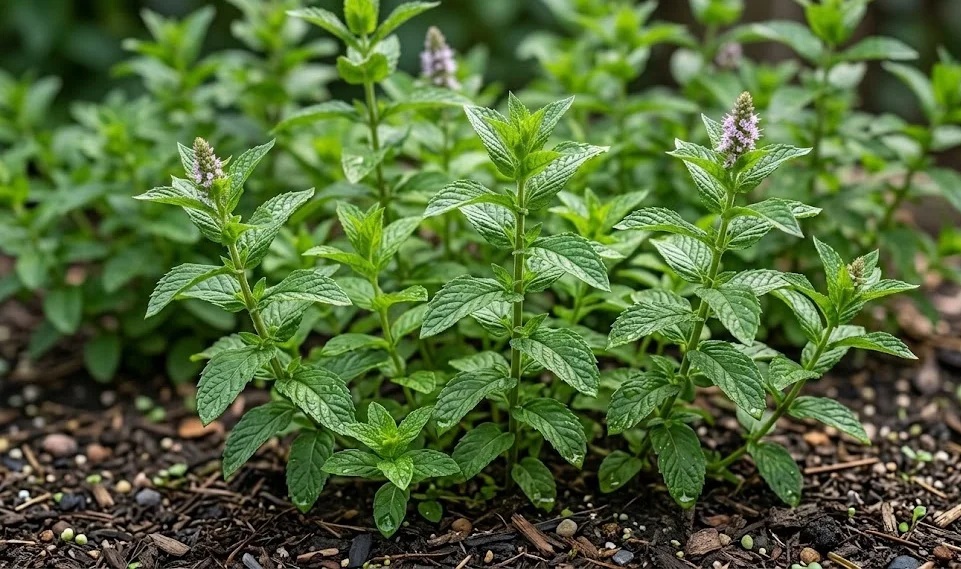

Planting spearmint is a rewarding endeavor that provides an almost endless supply of fresh herbs for any household or professional kitchen. Because this plant is so vigorous, successful establishment depends more on containing its spread than on coaxing it to grow. Whether you are starting from a small nursery transplant or a fresh cutting, the initial steps are crucial for long-term health. Understanding the biological needs of the root system will help you choose the best method for your specific garden goals.
Starting spearmint from seeds and cuttings
Growing spearmint from seed is possible, but many professionals prefer using cuttings to ensure the specific flavor profile of the parent plant. Seeds can sometimes produce variable results, leading to plants that lack the intense aroma you might be looking for. If you choose to use seeds, start them indoors about eight weeks before the last frost to give them a head start. The tiny seeds should be sown on the surface of a fine seed-starting mix and kept moist until germination occurs.
Propagation through stem cuttings is one of the easiest and most reliable ways to expand your herb collection. Simply take a four-inch cutting from a healthy, established plant and remove the lower leaves to expose the nodes. You can place these cuttings in a glass of water, and you will likely see roots beginning to form within a week or two. Once the root system is about an inch long, the new plant is ready to be transitioned into a pot with high-quality potting soil.
Another effective method involves taking root cuttings or “runners” from an existing patch during the spring or autumn. These underground stems are already equipped with roots and can be transplanted directly into a new location or a container. This method results in much faster establishment compared to seeds or stem cuttings, as the plant already has a developed energy system. Always ensure the parent plant is healthy and free from diseases before taking any material for propagation.
Layering is a more passive technique where you pin a living stem to the ground until it develops its own roots while still attached to the parent. This is a very low-stress way for the plant to propagate and is often successful even for beginner gardeners. Once the new roots have taken hold, you can sever the connection and move the new plant to its permanent home. These various methods allow you to quickly fill a garden space or share your favorite mint variety with friends and neighbors.
More articles on this topic
Soil requirements and planting depth
The ideal soil for planting spearmint should be rich in organic matter and have a texture that allows for both drainage and moisture retention. A mixture containing compost, coco coir, and a bit of coarse sand often provides the perfect environment for the roots to thrive. You should aim to plant the mint at the same depth it was growing in its original container to avoid burying the crown too deeply. If the crown is buried, it can lead to rot, while planting too shallowly might cause the roots to dry out.
Spacing is an important consideration, even though spearmint will eventually fill in any gaps between plants. Placing your initial transplants about twelve to eighteen inches apart gives each plant enough room to establish itself without immediate competition. If you are planting in a confined space like a pot, a single plant is usually enough for a twelve-inch diameter container. Providing enough space initially helps with air circulation, which is a key factor in preventing fungal diseases later in the season.
Before placing the plant in the hole, gently tease the roots if they have become pot-bound or are circling the container. This encourages the roots to grow outward into the surrounding soil rather than continuing to grow in a tight circle. Firm the soil gently around the base of the plant to remove any large air pockets that could cause the roots to desiccate. A thorough watering immediately after planting helps to settle the soil and ensures the roots have immediate access to moisture.
Adding a thin layer of organic mulch around the base of the new transplant can help regulate soil temperature and conserve moisture. However, be careful not to pile the mulch directly against the stems, as this can create a moist environment that encourages stem rot. As the plant begins to grow, you will see new shoots emerging from the soil, indicating that the roots are successfully establishing. Consistent moisture during the first few weeks is vital for the survival of any new mint planting.
More articles on this topic
Root division for rejuvenation and expansion
Root division is a professional technique used to manage the size of a mint patch and rejuvenate older, less productive plants. Over time, the center of a mint clump can become woody and sparse, leading to a decline in the quality of the leaves. By digging up the entire root mass and dividing it into smaller sections, you can restart the growth process with fresh energy. This is best done in the early spring just as the new growth begins to appear above the ground.
To divide the roots, use a sharp spade or a garden knife to cut the root ball into several pieces, ensuring each section has healthy roots and at least a few shoots. You can then replant these divisions in fresh soil or give them away to other gardeners who want to start their own mint garden. This process effectively thins out the patch and allows for better light penetration and air movement within the remaining plants. Many experts recommend dividing spearmint every two to three years to maintain its vigor and flavor.
When replanting the divisions, treat them as you would a new nursery transplant by providing plenty of water and a bit of shade during the first few days. The shock of division is usually minimal for mint because the plant is so resilient and eager to grow. You will find that the newly planted sections quickly take hold and often look better than the original large clump within a few months. Division is also a great opportunity to inspect the root system for any signs of pests or disease that might be hiding underground.
If you are dealing with mint that has become invasive, division is a chance to move it into more controlled environments like pots or lined beds. You can use the extra root material to create a “backup” plant in case the main patch suffers from a harsh winter or a pest outbreak. Mastering the art of root division is one of the most useful skills for any herb enthusiast who wants to maintain a high-quality collection. It ensures a continuous supply of young, flavorful leaves for years to come.
Establishing new plants in the landscape
Integrating spearmint into your existing landscape requires a strategic approach to ensure it complements your other plants. Because of its spreading nature, it is often best used as a ground cover in areas where it can be easily contained by physical barriers. Many people plant it near walkways or patios where the fragrance can be enjoyed every time someone brushes past the foliage. However, you must always remember that its roots will find even the smallest crack to escape into the rest of the garden.
Successful establishment also depends on the environmental conditions of the site, particularly the amount of light and water available. While spearmint is adaptable, it will establish much faster in a spot that receives morning sun and has consistently moist soil. If you are planting in a particularly hot or dry area, you may need to provide supplemental irrigation until the root system is deep enough to find its own water. Once established, the plant is remarkably tough, but the first season is a critical time for monitoring its health.
You should avoid using heavy fertilizers during the establishment phase, as this can lead to weak, sappy growth that is more attractive to pests. Instead, rely on the organic matter you incorporated during soil preparation to provide the necessary nutrients. As the plant grows, you can begin a regular maintenance routine of pinching and harvesting to encourage a dense, healthy habit. A well-established mint plant is a beautiful addition to the garden, providing both aesthetic and culinary value with minimal effort.
Finally, consider the long-term goals for your mint patch when deciding where to establish new plants. If you want a permanent source of tea leaves, a dedicated raised bed or a large permanent container might be the best choice. For those who want to use it as a nectar source for bees, a larger area allowed to bloom in a wilder part of the garden is ideal. By planning ahead and understanding the growth habits of spearmint, you can create a productive and manageable herb garden that thrives for many seasons.