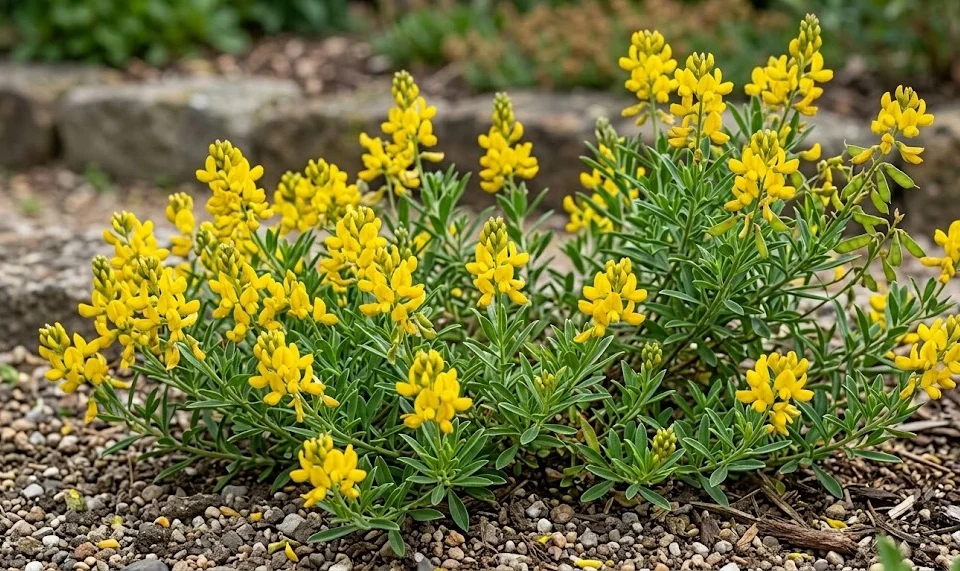

The relationship between this shrub and sunlight is fundamental to its ability to flower profusely and maintain a compact, healthy shape. It is a heliophilic species, meaning it has evolved to thrive in environments with maximum exposure to direct solar radiation. Without sufficient light, the plant will struggle to produce the energy it needs for its intensive summer blooming phase. You must prioritize light levels when deciding where to place this plant in your garden or landscape design.
Inadequate light levels often lead to a variety of aesthetic and health problems that can be difficult to correct later. A plant grown in the shade will often become “leggy,” with long, weak stems that lean toward the nearest light source. It may also have fewer leaves and a much higher susceptibility to various fungal infections that thrive in dark, damp conditions. Understanding the nuances of light exposure will allow you to maximize the visual impact of this golden-flowered shrub.
Benefits of full sun exposure
To see this plant at its absolute best, it should receive at least six to eight hours of direct sunlight every day. Full sun encourages the development of a dense, mounded habit that is naturally resistant to wind and heavy rain. The intense light also triggers the production of flower buds, ensuring that the entire shrub is covered in yellow blooms during the summer. Sunlight also helps to quickly dry the foliage after a rain, which is a key factor in preventing common leaf diseases.
The heat that comes with direct sunlight is also beneficial for the plant’s metabolic processes and seed development. You will find that plants in the sunniest spots are the first to wake up in the spring and the last to stop growing in the autumn. They also tend to have a much more vibrant green color in their stems and leaves compared to those in darker areas. Choosing the brightest spot in your garden is the simplest way to guarantee a successful and low-maintenance horticultural experience.
Effects of partial and deep shade
While the shrub can survive in partial shade, it will rarely reach its full potential or provide the same level of floral display. In areas with only four hours of sun, you may notice that the flowering is sparse and the stems are less structurally sound. Deep shade is completely unsuitable for this species and will eventually lead to the slow decline and death of the plant. If your garden is naturally shaded by large trees or buildings, you may need to reconsider if this is the right plant for that specific spot.
More articles on this topic
If you have a specimen that is currently struggling in the shade, you might notice that it has a very open and unattractive growth habit. The lack of light prevents the plant from producing enough carbohydrates to support a thick canopy of foliage. You can try to improve the situation by thinning out the overhead canopy of nearby trees to allow more light to reach the ground. However, moving the plant to a sunnier location is usually the only way to truly restore its health and beauty.
Photosynthetic health and energy
Sunlight is the primary driver of the plant’s internal energy production through the complex process of photosynthesis. Because this shrub has relatively small leaves, it needs every bit of light it can get to fuel its rapid summer growth. The green stems also contribute to photosynthesis, providing an extra boost of energy during the long days of June and July. This unique adaptation allows the plant to be incredibly efficient at capturing and using the sun’s rays for its development.
When light is abundant, the plant can also store excess energy in its root system for use during the winter months. This energy reserve is what allows the shrub to survive the dormant season and push out strong new growth the following spring. A plant that has been “light-starved” during the summer will enter the winter in a much weaker state and may not survive extreme cold. Professional care involves ensuring that the plant’s energy “bank account” is always well-funded by the power of the sun.