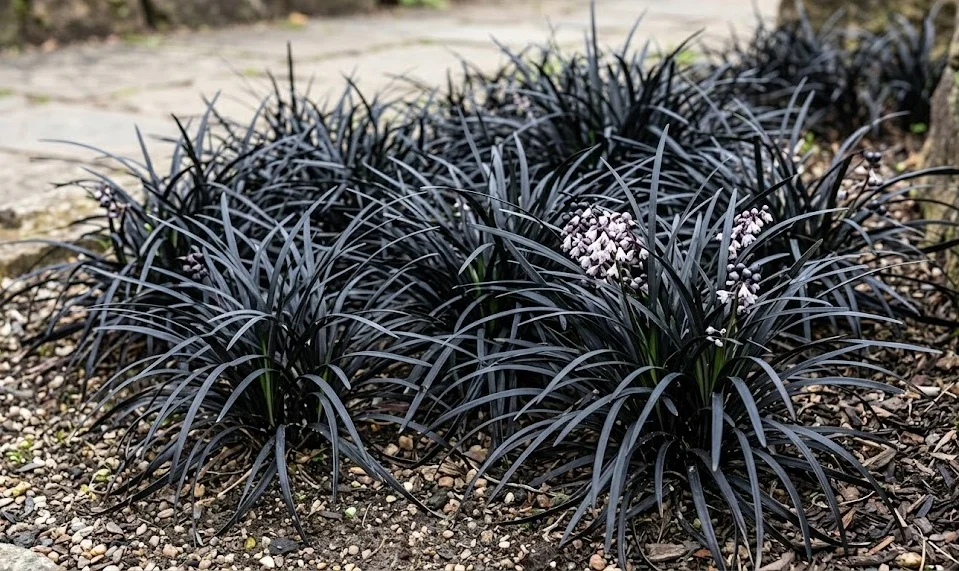

Maintaining a healthy specimen of black mondo grass requires a deep understanding of its unique biological rhythm and environmental preferences. This striking perennial is celebrated for its deep purple, almost jet-black foliage that provides an unparalleled contrast in modern landscape design. While it is often mistaken for a true grass, it belongs to the asparagus family and displays a much more robust nature than typical turf. Cultivating this plant successfully involves a balance between patience and precise horticultural interventions to ensure its slow-growing habit leads to a dense, luxurious groundcover.
The choice of substrate serves as the primary foundation for long-term health and vibrant foliage coloration. These plants thrive in soil that is rich in organic matter and maintains a slightly acidic to neutral pH level. Proper drainage is absolutely essential because the fleshy roots are highly susceptible to rot if left in standing water for extended periods. You should incorporate well-rotted compost or leaf mold into the planting area to improve both structure and nutrient availability for the developing root system.
Atmospheric conditions and humidity levels also play a significant role in the overall vigor of the foliage throughout the growing season. While the plant is quite hardy, it prefers sheltered locations where it is protected from harsh, drying winds that can scorch the leaf tips. Maintaining a consistent level of ambient moisture helps the plant retain its characteristic sheen and prevents the leaves from becoming dull or brittle. In drier climates, placing these plants near water features or using organic mulches can help create the microclimate they need to flourish.
The growth rate of this particular species is notoriously slow, which dictates a specific approach to general maintenance and garden planning. You must accept that achieving a full carpet of black foliage will take several years of consistent care and attention. Avoid the temptation to over-stimulate the plant with heavy chemicals, as this can lead to weak growth that is more prone to environmental stress. Instead, focus on providing a stable environment where the plant can establish its rhizomes at its own natural and steady pace.
Soil and environmental foundations
Creating the perfect soil environment begins with assessing the mechanical structure of your garden beds to ensure optimal aeration. Heavy clay soils should be amended with grit or coarse sand to prevent compaction around the sensitive root zones. The goal is to create a medium that holds sufficient moisture while allowing excess water to move away freely from the plant base. Frequent soil testing can help you monitor the nutrient levels and adjust the composition before any signs of deficiency appear on the dark leaves.
More articles on this topic
Organic matter acts as a slow-release reservoir of nutrients that supports the slow metabolic processes of this unique perennial species. Adding a thick layer of decomposed bark or forest mulch not only enriches the soil but also mimics the natural woodland floor. This layer helps regulate soil temperature, keeping the roots cool during the heat of summer and warm during the cold winter months. Consistently replenishing this organic layer every spring will provide the necessary boost for new shoots to emerge from the underground rhizomes.
The placement of the plant within the garden layout determines how much environmental stress it will have to endure on a daily basis. Ideally, you should find a spot that receives dappled sunlight or morning sun followed by afternoon shade to protect the dark pigments. Extreme exposure to high-intensity ultraviolet rays can sometimes cause the deep purple hues to fade into a less desirable brownish tint. Observing the plant’s reaction to its specific location throughout the first year will tell you if it needs more protection or more light.
Air circulation is an often overlooked aspect of care that directly impacts the prevention of localized fungal issues within the dense foliage. Even though these plants grow low to the ground, they need enough space between clumps to allow for natural drying after rainfall. Dense, stagnant air can lead to moisture trapping at the crown, which provides an ideal breeding ground for pathogens. Strategic spacing during the initial planting phase ensures that each individual clump has the resources and space to breathe as it expands.
Routine maintenance practices
Regular inspections of the foliage are necessary to identify and remove any dead or damaged leaves that might detract from the aesthetic. Use sharp, sterilized shears to snip away any brown tips or yellowing blades as close to the base as possible. This practice not only keeps the plant looking tidy but also prevents the spread of opportunistic decay to healthy tissues. Since the plant is evergreen, this light grooming can be performed at any time of the year when the weather is mild.
More articles on this topic
Monitoring the moisture levels in the top few inches of soil should become a habitual part of your weekly gardening routine. You can simply use your finger to check if the soil feels dry, indicating that it is time for a thorough deep watering session. During periods of active growth in the spring and summer, the demand for water will naturally increase as the plant produces new blades. Consistency is the key here, as erratic watering cycles can cause the plant to enter a state of stress that halts its already slow development.
Mulch management is a continuous process that involves checking the depth and condition of the protective layer around the base of the plant. Over time, mulch decomposes and becomes part of the soil, which means you need to add fresh material to maintain the desired thickness. Be careful not to pile the mulch directly against the crown of the plant, as this can trap excessive moisture and lead to stem rot. A clear gap of about an inch around the central growing point is usually sufficient to ensure safety while providing all the benefits of mulching.
The removal of spent flower stalks is another maintenance task that helps the plant direct its energy back into foliage and root production. In mid-summer, small spikes of pale lilac flowers appear, which eventually turn into decorative dark berries that persist into the autumn. While these are attractive, removing the stalks after the flowers fade can encourage the plant to focus on expanding its rhizomatous network. If you prefer the look of the berries, you can certainly leave them, but be aware that seedling production is rare and usually inconsistent.
Managing seasonal transitions
As the garden moves from the heat of summer into the cooler months of autumn, the physiological needs of the plant begin to shift. You should gradually reduce the frequency of watering as the evaporation rate drops and the plant prepares for a period of relative dormancy. This is an excellent time to apply a final thin layer of compost to provide a slow source of nutrients throughout the winter. Preparing the plant for the upcoming cold ensures that it enters the dormant phase with enough stored energy to survive deep frosts.
Spring represents the most active time for black mondo grass as it wakes up from its winter slumber and begins pushing out new growth. This is the ideal window to perform any major clean-up tasks or to relocate clumps that may have outgrown their original designated spots. Applying a balanced, organic fertilizer just as the first new green-black tips appear will give the plant the resources it needs for the season. Watch closely for the first signs of activity so you can provide support exactly when the plant’s metabolism begins to accelerate.
During the height of summer, your primary focus should be on protecting the plant from extreme heat and potential drought conditions. The dark color of the leaves means they absorb more heat than lighter plants, making them more vulnerable to wilting in direct midday sun. Increasing the frequency of watering during heatwaves is vital, preferably doing so in the early morning hours to allow the foliage to dry before nightfall. Providing temporary shade during record-breaking temperatures can also prevent the foliage from suffering permanent heat damage or desiccation.
Winter care involves monitoring for frost heave, which can sometimes push the shallow-rooted clumps out of the ground during freeze-thaw cycles. If you notice any roots becoming exposed, gently firm the soil back around them and add a bit more mulch for extra insulation. In regions with heavy snowfall, the weight of the snow usually doesn’t harm the flexible blades, but ice accumulation can be more problematic. Generally, the plant is very resilient, but a little extra attention during extreme weather events will ensure a much faster recovery once spring arrives.
Companion planting and aesthetics
The deep black color of this foliage makes it one of the most versatile tools in the designer’s palette for creating visual impact. You can pair it with bright chartreuse plants like creeping Jenny or golden varieties of hostas to create a high-contrast focal point. The dark blades serve as a perfect backdrop for silver-foliaged plants, such as Artemisia or certain types of low-growing succulents. Using the plant as a border for light-colored stone paths further emphasizes its unique texture and sophisticated color profile.
Texture is just as important as color when choosing companions for black mondo grass in a professional landscape setting. The fine, arching lines of the mondo grass contrast beautifully with the broad, flat leaves of bergenia or the delicate fronds of hardy ferns. By mixing different leaf shapes, you create a dynamic garden bed that remains interesting even when nothing is currently in bloom. This plant’s low-growing habit makes it an ideal “under-story” filler for taller architectural plants like Japanese maples or ornamental grasses.
For a modern, minimalist look, planting large drifts of black mondo grass alone can create a stunning, sea-like effect of dark movement. This mass planting technique is particularly effective in urban gardens or small courtyards where space is limited and every plant must earn its place. The uniformity of the foliage provides a sense of calm and order that complements contemporary architecture and clean-cut garden structures. Maintenance for mass plantings is relatively simple once the area is fully established and the ground is covered by the dense canopy.
In container gardening, this plant serves as an excellent “spiller” or “filler” that adds weight and depth to seasonal arrangements. Its dark foliage looks particularly elegant in terracotta or stone-colored pots, where the natural materials highlight the plant’s organic beauty. You can change the surrounding annuals with the seasons while keeping the black mondo grass as a permanent, reliable anchor in the composition. Just ensure the containers have adequate drainage holes, as the confined space can easily become waterlogged during rainy periods.
Troubleshooting growth issues
If you notice that the leaves are starting to lose their intense black color and are turning green, it is usually a sign of insufficient light. While the plant can survive in full shade, it requires at least a few hours of bright light to maintain its high levels of dark pigments. Try thinning out overhanging branches of nearby shrubs to allow more light to reach the ground level where the grass is growing. If the color doesn’t improve within a few weeks, you might consider moving the clump to a slightly brighter location in the garden.
Brown tips on the foliage are often a symptom of low humidity or inconsistent watering practices during the warmer months of the year. This can also be caused by an accumulation of salts in the soil if you are using hard water or over-applying synthetic fertilizers. Flush the soil with rainwater or distilled water to help leach out any excess minerals and restore the natural balance around the roots. Improving the mulch layer can also help keep the humidity around the leaves more consistent, preventing the tips from drying out.
A lack of new growth during the spring can be frustrating, but it is often just a result of the plant’s naturally slow pace of development. However, if several years pass without any noticeable expansion, you should check for soil compaction or a lack of essential organic nutrients. Gently aerating the soil around the clump with a hand fork can help oxygen reach the roots and stimulate new rhizome production. Sometimes, a very light application of a liquid seaweed extract can provide the trace elements needed to jump-start a stalled plant.
If the center of a mature clump begins to die out or look thin, it is a clear indication that the plant needs to be divided. Over several years, the rhizomes can become overcrowded, leading to a decline in vigor as the individual shoots compete for the same resources. Digging up the entire clump and separating it into smaller sections will rejuvenate the plant and give you new specimens to plant elsewhere. This process should be done every four to five years to keep the colony looking its absolute best and most vibrant.
Advanced cultivation techniques
Experienced gardeners can experiment with manipulating the soil pH to see how it subtly affects the intensity of the leaf color. While the plant is adaptable, some enthusiasts find that a slightly more acidic environment brings out the deepest purple-black tones in the foliage. You can achieve this by using acidic mulches like pine needles or by adding small amounts of elemental sulfur to the planting bed. Always monitor the changes carefully and avoid making drastic adjustments that could shock the plant’s system.
Propagation through seed is a slow and challenging process, but it can be a rewarding endeavor for those interested in the genetics of the plant. The dark berries should be collected when fully ripe and the fleshy coating removed before sowing the seeds in a sterile seed-starting mix. Germination can be erratic and may take several months, requiring a consistent environment with controlled temperature and moisture. Keep in mind that the resulting seedlings may show some variation in color, as the ‘Nigrescens’ cultivar doesn’t always come perfectly true from seed.
Developing a personalized fertilization schedule based on your specific garden’s soil profile can lead to superior results over time. Instead of using a general-purpose product, you might opt for a slow-release formula specifically designed for acid-loving or foliage-heavy plants. Applying the nutrients in smaller, more frequent doses rather than one large application reduces the risk of nutrient leaching and provides a steady supply for the plant. Observing the subtle changes in leaf thickness and color will help you fine-tune the amount of nitrogen and potassium you provide.
Using black mondo grass in creative landscaping projects like “living tapestries” or intricate knot gardens requires precise planting and pruning. By combining it with other Ophiopogon varieties that have variegated or green leaves, you can create complex patterns that look like woven fabric on the ground. This level of gardening requires a high degree of maintenance to keep the lines sharp and prevent the different varieties from growing into each other. However, the finished result is a breathtaking display of horticultural skill that showcases the true potential of this remarkable black foliage.