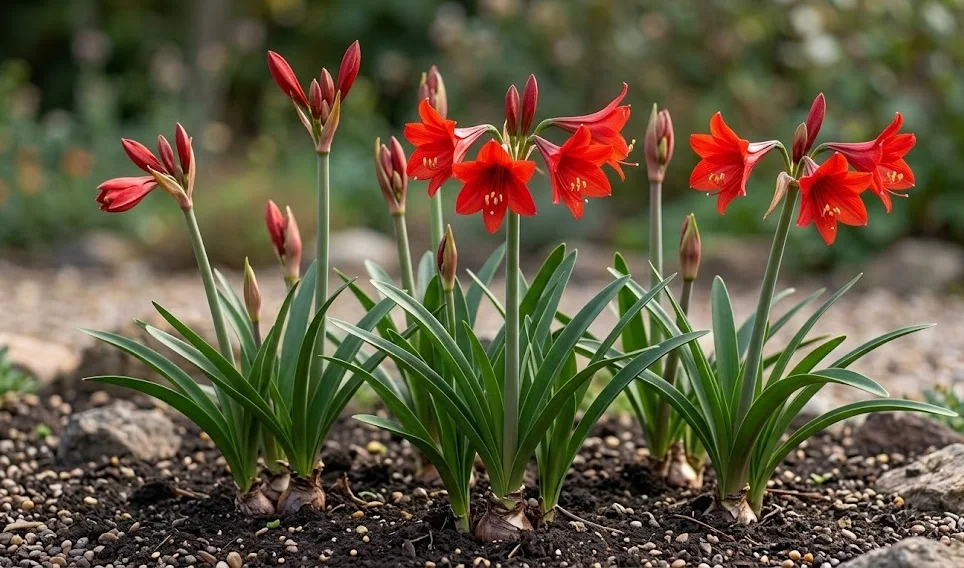

Properly overwintering the scarborough lily is essential for its survival and its ability to flower in the following season. This plant is not frost-tolerant and must be protected from freezing temperatures at all times during the winter. You should begin your preparations well before the first frost is expected to avoid any accidental cold damage. Moving the plant to a sheltered and controlled environment is the most important step in the overwintering process.
The primary goal during the winter is to provide a period of rest while keeping the bulb healthy and hydrated. Unlike some other lilies that go completely dormant and lose all their leaves, the scarborough lily often remains evergreen. This means it still requires some light and a very small amount of moisture throughout the colder months. Understanding this subtle difference is key to keeping the plant in prime condition until the spring revival begins.
Temperature control is the most technical aspect of overwintering, as the plant prefers a cool but stable environment. A bright, unheated room or a frost-free conservatory is often the ideal location for these bulbs during the winter. You should aim to keep the temperature between 10 and 15 degrees Celsius for the best results. Temperatures that are too warm can prevent the plant from resting properly, while temperatures below 5 degrees can cause physical stress.
During this time, the plant’s growth will slow down significantly, and you should adjust your care routine accordingly. It is a time for patience and observation rather than active intervention or heavy maintenance. You must resist the urge to water too frequently or to provide any fertilizer during this quiet phase. Respecting the plant’s natural rhythm is the mark of a truly professional and experienced horticulturalist.
Preparing for the dormant period
The preparation for winter starts in late summer by gradually reducing the amount of fertilizer you provide to the plant. This signals to the lily that the growing season is coming to an end and it should start storing energy in the bulb. You should also begin to slow down the watering frequency as the days become shorter and the temperatures begin to drop. This gradual transition helps the plant enter its rest phase without the shock of a sudden environmental change.
More articles on this topic
Inspect the plant thoroughly for any pests or diseases before bringing it into its winter quarters. It is much easier to treat a small problem now than to deal with a major infestation in the confined space of a home or greenhouse. Remove any dead or dying leaves to keep the plant tidy and to reduce the risk of fungal issues during the damp winter months. A clean plant is more likely to survive the winter in good health and emerge strong in the spring.
Choosing the right location for the winter is critical and depends on the specific conditions of your home or garden. A spot with plenty of bright, indirect light is essential to keep the evergreen leaves healthy and performing photosynthesis. You should avoid placing the plant near heat sources like radiators or in the path of cold drafts from doors or windows. A stable and protected environment will allow the lily to rest peacefully until the days begin to lengthen again.
If you grow your lilies in the ground in a mild climate, you will need to provide heavy mulching to protect the bulbs from the cold. However, for most regions, lifting the bulbs or moving the pots indoors is the only safe option. Make sure the pots are clean and the drainage is clear before you settle them into their winter home. This preparation sets the stage for a successful overwintering and a spectacular display of flowers in the coming year.
Winter moisture management
Managing moisture during the winter is a delicate task that requires a light touch and regular monitoring of the soil. Since the plant is not actively growing, it uses very little water, and the soil will stay damp for much longer than in the summer. You should only water the plant when the soil feels dry to the touch several inches deep into the pot. Overwatering during the winter is the fastest way to cause bulb rot and lose the plant entirely.
More articles on this topic
When you do water, use only a small amount to keep the roots from drying out completely and the bulb from shriveling. You do not need to soak the entire pot as you would during the height of the summer growing season. Using water that is at room temperature will prevent shocking the roots in the cool environment. This minimalist approach to watering is essential for maintaining the health of the bulb throughout the dormant period.
The humidity in many homes during the winter can be very low due to central heating, which can stress the evergreen leaves. You can lightly mist the foliage on bright mornings to provide a little extra moisture without wetting the soil. Alternatively, placing the pot on a tray of damp pebbles can help maintain a slightly higher humidity level around the plant. Avoid misting late in the day, as you want the leaves to be dry before the temperature drops at night.
If you notice the leaves starting to droop or look shriveled, it is a sign that the plant may need a tiny bit more water. On the other hand, if the leaves turn yellow and the base of the plant feels soft, you are likely overwatering. Constant observation and small adjustments are the keys to successful winter moisture management. Your goal is to keep the plant in a state of “suspended animation” until the warmth of spring returns.
Lighting and temperature stability
Even during its rest period, the scarborough lily needs a good amount of light to maintain its foliage. A south or west-facing window is often the best choice for providing the bright, indirect light the plant craves. Without enough light, the leaves may become weak and pale, and the plant will lack the energy to flower in the spring. If natural light is limited, you can use supplemental grow lights to ensure the plant receives at least 8 to 10 hours of light a day.
Temperature stability is perhaps the most important factor in a successful overwintering strategy. Sudden fluctuations in temperature can stress the plant and may even cause it to drop its leaves or abort future flower buds. You should monitor the temperature in your winter storage area and use a thermometer to check for any extreme highs or lows. Keeping the plant in a consistent environment allows it to maintain its metabolic balance throughout the winter.
If the temperature in your storage area rises too high, the plant may try to start growing prematurely. This growth is often weak and leggy because the light levels in winter are usually not high enough to support vigorous development. You should try to keep the plant as cool as possible without exposing it to frost to prevent this unwanted early growth. Providing a distinct “winter” allows the plant to reset its internal clock for a more synchronized and powerful spring emergence.
In professional greenhouses, temperature and light are often managed with automated systems to provide the perfect overwintering conditions. For the home gardener, achieving this stability requires a bit more effort and attention to detail. Moving the plant to a different room or adjusting the ventilation can help you find the right balance for your lilies. Your dedication to providing a stable winter home will be rewarded with a healthy and vibrant plant in the spring.
Transitioning to spring growth
As the days begin to lengthen and the temperatures rise in early spring, you will notice the first signs of renewed activity. The plant may produce new, bright green leaves or the existing foliage may take on a more vibrant and firm appearance. This is the signal that it is time to slowly increase the amount of water you provide to the lily. You should also move the plant to a slightly warmer and even brighter location to encourage this new growth.
Resume fertilization gradually, starting with a very weak solution of a balanced liquid fertilizer. You want to support the new growth without overwhelming the sensitive roots as they wake up from their winter rest. As the growth becomes more vigorous, you can increase both the frequency of watering and the strength of the fertilizer. This gradual buildup ensures that the plant has all the resources it needs to produce a strong and healthy flower stalk.
If the plant has become crowded in its pot, spring is the ideal time to consider repotting or separating any offsets. Doing this early in the season allows the plant to establish its roots in fresh soil before the intense heat of summer arrives. Be extra careful with the new growth, as it is very tender and can be easily damaged during the repotting process. A fresh start in high-quality soil will give the lily a significant boost for the upcoming growing season.
Finally, you can begin to acclimatize the plant to its outdoor summer position if you choose to move it. Start by placing it in a sheltered, shaded spot for a few hours each day and gradually increase its exposure to sun and wind. This hardening-off process is essential for preventing leaf scorch and environmental shock. Your careful overwintering and thoughtful spring transition will ensure another year of stunning red blooms for your scarborough lily.