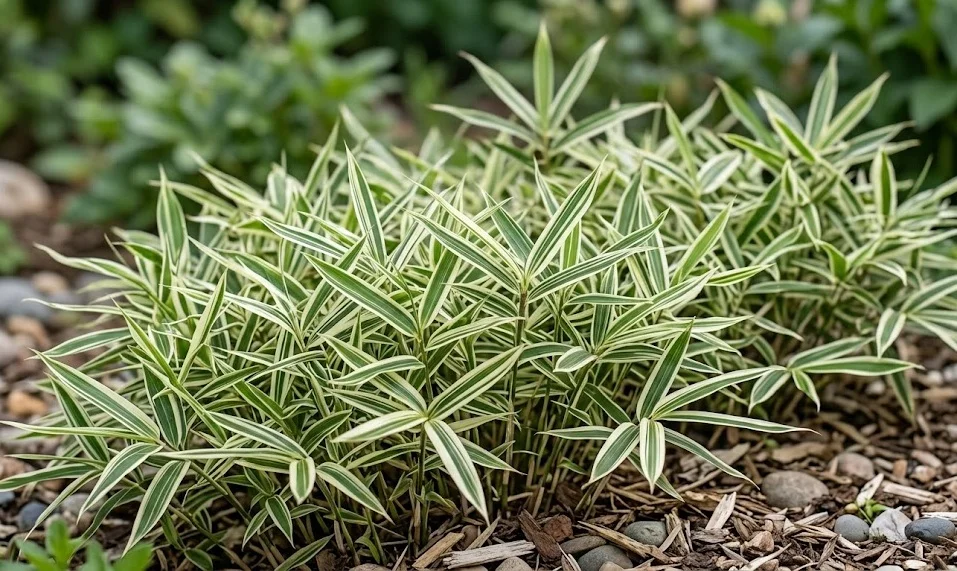

Caring for this particular dwarf bamboo variety requires a delicate balance of observation and proactive maintenance to preserve its distinctive variegated appearance. This plant is prized for its resilience and striking aesthetic, making it a popular choice for gardeners seeking a high-contrast groundcover or low hedge. Success in its cultivation depends on understanding the specific environmental triggers that allow its white-and-green leaves to flourish. Expert horticulturalists often emphasize that the key to long-term health lies in the consistent application of basic care principles throughout the changing seasons.
Maintaining the soil environment is perhaps the most critical aspect of daily or weekly care routines for this bamboo species. It thrives best when the soil remains consistently moist but never becomes waterlogged, as stagnant water can quickly lead to root rot. Organic matter should be incorporated into the top layer of the soil periodically to provide a slow release of nutrients. If the soil becomes too compacted over time, the delicate rhizomes may struggle to expand and produce new, healthy shoots.
The density of the foliage is a primary indicator of the plant’s overall vigor and should be monitored closely by the grower. If the leaves begin to lose their variegation and turn entirely green, it often signals an imbalance in light or nutrient availability. Thinning out older canes every few years allows more air and light to penetrate the center of the colony, which promotes fresh growth. A well-tended patch should look lush and organized rather than overgrown or tangled with dead material.
Managing the spread of this bamboo is an essential part of its care, as it possesses a running growth habit that can be aggressive. Installing a physical barrier at the time of planting is the most effective way to keep the plant within its designated boundaries. Without such constraints, the bamboo may eventually encroach upon neighboring plants and disrupt the harmony of the garden design. Regular inspection of the perimeter ensures that no stray rhizomes have managed to leap over or tunnel under the installed barriers.
General maintenance principles
Consistency is the foundation of any successful gardening project involving variegated dwarf bamboo species. Establishing a routine helps the plant stabilize its metabolic processes and adapt to the specific microclimate of the garden. While the plant is inherently hardy, it responds remarkably well to attentive care that anticipates environmental shifts. Many professionals suggest keeping a garden log to track the timing of new growth and any visual changes in the foliage.
More articles on this topic
Cleaning the area around the base of the bamboo is a simple yet often overlooked part of the care process. Removing fallen leaves and debris prevents the buildup of mold and hides potential pests from view. This practice also ensures that water and fertilizers can reach the root system without being blocked by a thick layer of organic waste. A clean garden bed looks much more professional and highlights the sharp contrast of the white-striped leaves.
The structural integrity of the bamboo patch depends on how well the gardener manages the age of the canes. Younger canes carry the most vibrant variegation, while older ones can become dull and brittle over several years. Identifying and removing these older stems keeps the plant looking youthful and energetic throughout the growing season. This selective thinning process is best performed in early spring before the new shoots, or culms, begin to emerge.
Air circulation is vital for preventing common foliage issues that can mar the beauty of the white stripes. If the bamboo is planted too densely or in a stagnant corner of the garden, humidity can become trapped within the leaves. This creates an ideal environment for various fungal spores to settle and multiply. By ensuring adequate spacing and occasional thinning, the gardener promotes a healthy atmosphere that discourages disease.
Soil quality and structure
The foundation of a healthy bamboo colony is always found beneath the surface in the quality of the soil. This dwarf variety prefers a loamy texture that allows for both water retention and necessary aeration for the roots. Sandy soils may drain too quickly, requiring more frequent watering, while heavy clay can trap moisture and suffocate the rhizomes. Amending the site with compost or well-rotted manure before planting creates a nutrient-rich environment for the plant.
More articles on this topic
Soil acidity plays a subtle but important role in how the plant absorbs essential minerals from the earth. A slightly acidic to neutral pH range is generally considered optimal for most temperate bamboo species. If the soil is too alkaline, the plant may suffer from chlorosis, where the leaves turn yellow and the white stripes lose their brilliance. Periodic soil testing can provide valuable data to help the gardener adjust the chemistry as needed.
Mulching is a highly recommended practice for maintaining soil structure and moisture levels around the bamboo. A layer of wood chips or shredded bark helps to regulate soil temperature and prevents the surface from crusting over. As the mulch breaks down, it contributes to the organic content of the soil, further improving its fertility. It also acts as a natural weed suppressant, reducing the competition for resources in the root zone.
Drainage must be addressed during the initial care setup to prevent the long-term decline of the plant. If the garden has a high water table or poor natural drainage, creating a raised bed can be a very effective solution. This elevation allows excess water to move away from the sensitive rhizomes during periods of heavy rainfall. Ensuring that the roots can breathe is just as important as ensuring they have enough water to drink.
Growth rate and expansion management
One of the defining characteristics of this bamboo is its ability to spread rapidly via underground runners. While this makes it an excellent groundcover, it also necessitates a plan for containment and spatial management. Gardeners must decide early on how much space they are willing to dedicate to this vigorous grower. Failure to manage the growth rate can lead to a garden that feels crowded and unorganized.
Physical barriers made of high-density polyethylene are the standard choice for controlling the spread of running bamboo. These barriers should be installed at least sixty centimeters deep to prevent the rhizomes from passing underneath. A small portion of the barrier should remain visible above the soil line to catch any “jumping” rhizomes that try to grow over the top. Regular monitoring of these edges is a simple maintenance task that saves a lot of work in the future.
If a barrier is not used, the gardener must resort to mechanical control methods such as trenching or root pruning. This involves digging a shallow trench around the bamboo patch and cutting any rhizomes that attempt to cross the line. This method requires more physical labor and must be done at least twice a year to be effective. It is a more traditional approach that allows for a softer, more natural transition between the bamboo and other garden elements.
The speed of growth is often influenced by the amount of nitrogen available in the soil and the frequency of irrigation. High levels of nitrogen will encourage the plant to expand more quickly and produce more foliage. If the goal is to keep the plant small and compact, the gardener might choose to limit fertilizer applications. Understanding this relationship allows the grower to tailor the care routine to the specific design goals of the landscape.
Seasonal care adjustments
As the seasons change, the needs of the white-striped dwarf bamboo shift to accommodate different environmental pressures. In the spring, the focus is on supporting new growth and ensuring the plant has enough energy to produce fresh culms. This is the time when the variegation is often at its most intense, making it the most visually rewarding period for the gardener. Providing a balanced fertilizer at the start of the growing season sets the stage for success.
During the height of summer, the primary concern shifts to moisture management and protection from extreme heat. High temperatures can cause the delicate leaves to curl or scorch, especially if the plant is in a very sunny location. Increasing the frequency of watering during dry spells helps the plant maintain its turgidity and prevents stress-induced leaf drop. Providing some temporary shade during the hottest part of the afternoon can also be beneficial in extreme climates.
Autumn is a period of preparation where the plant begins to slow down its metabolic activity. The gardener should reduce nitrogen-heavy fertilizers at this time to avoid stimulating soft, new growth that might be damaged by frost. Instead, a focus on root health and general tidiness helps the plant enter its dormant phase in good condition. Clearing away any diseased foliage before winter prevents pathogens from overwintering in the garden bed.
Winter care involves protecting the plant from the drying effects of cold winds and heavy snow loads. While this variety is cold-hardy, its evergreen leaves can still suffer from desiccation if the ground freezes solid. Ensuring the plant is well-hydrated before the first hard freeze provides a critical reservoir of moisture. In areas with heavy snowfall, gently shaking the canes can prevent them from breaking under the weight of the accumulation.
Foliage health and visual monitoring
The beauty of this bamboo lies in the clarity and contrast of its white stripes, which require constant monitoring. Any change in the color or texture of the leaves should be investigated immediately to determine the underlying cause. Sometimes, environmental stress or a simple lack of nutrients can cause the foliage to look dull or faded. Keeping the leaves clean and free of dust also helps the plant photosynthesize more efficiently.
Yellowing leaves can be a sign of several different issues, ranging from overwatering to a lack of iron in the soil. If the yellowing is localized to older leaves, it may simply be a natural part of the plant’s lifecycle as it sheds aged foliage. However, widespread yellowing often indicates a systemic problem that needs to be addressed through soil amendments or adjusted watering schedules. A professional gardener learns to distinguish between these different types of discoloration.
Brown tips on the leaves are frequently a symptom of low humidity or salt buildup from tap water. In dry climates, occasional misting of the foliage can help to provide a more hospitable microclimate for the plant. If the soil has accumulated too many salts from synthetic fertilizers, a deep flushing with rainwater may be necessary. These small adjustments can make a significant difference in the overall polished look of the bamboo.
The appearance of new shoots is a time of great excitement and provides insight into the health of the root system. These shoots should be vigorous and true to the variegated form of the parent plant. If the new growth appears stunted or weak, it may be time to reassess the fertilization strategy or check for root-bound conditions. Observing the “language” of the plant allows the gardener to provide precisely what is needed at the right time.
Rejuvenation and long-term care
Over several years, even the best-maintained dwarf bamboo can start to look a bit tired or lose its compact form. Rejuvenation is a process that breathes new life into an aging colony by encouraging a flush of entirely new growth. This is typically achieved by cutting the entire patch down to the ground every three to five years. While this may seem drastic, the plant’s extensive root system allows it to recover quickly with even more vibrant foliage.
This “reset” should be timed for late winter or very early spring, just before the new buds begin to swell. Removing all the old wood eliminates any lingering pests or diseases that might have taken hold in the dense canopy. The resulting growth is usually more uniform in height and displays much more consistent variegation. It is a powerful technique for maintaining the high-quality appearance required for professional landscapes.
After a major rejuvenation, the plant will require extra attention to watering and nutrition to support its rapid recovery. The lack of foliage means the plant cannot photosynthesize as much initially, so it relies heavily on stored energy in the rhizomes. Once the new leaves begin to unfurl, a light application of balanced fertilizer will provide the necessary boost. This cycle of renewal ensures that the bamboo remains a highlight of the garden for decades.
Long-term care also involves occasionally checking the integrity of any installed barriers or garden edging. Over time, soil can settle or barriers can shift, creating gaps that a determined rhizome might exploit. Taking the time to firm up the soil and inspect the perimeter once a year prevents expensive and difficult repairs later. A proactive mindset is the hallmark of an expert gardener who values both beauty and control.
Professional tips for success
One of the best ways to ensure success with this bamboo is to source high-quality plants from a reputable nursery. Healthy starting material with a robust root system will establish much more quickly and be more resistant to stress. Avoid plants that show signs of being root-bound in their pots, as this can lead to permanent structural issues. Investing in good plants at the beginning saves a significant amount of effort during the care process.
Using organic fertilizers instead of synthetic ones can lead to a more sustainable and resilient plant over time. Organic options improve the overall health of the soil microbiome, which in turn supports the bamboo’s natural defense systems. Synthetic fertilizers can sometimes cause a “flush” of growth that is weak and more attractive to pests like aphids. A slow and steady approach to nutrition usually yields the most beautiful and long-lasting results.
Grouping this bamboo with plants that have similar water and light requirements makes the care routine much more efficient. It looks particularly stunning when paired with dark green ferns or broad-leaved hostas that provide a textural contrast. This “community” approach to gardening creates a more stable environment where plants can support each other. It also simplifies the irrigation setup, ensuring that every plant in the bed receives the correct amount of moisture.
Finally, do not be afraid to experiment with the placement and styling of this dwarf bamboo to suit the garden’s needs. It is a remarkably versatile plant that can be used as a formal edge, a wild groundcover, or even a container specimen. Each application will require slightly different care techniques, but the fundamental principles remain the same. Mastery of these principles allows the gardener to unlock the full potential of this striking white-striped variety.