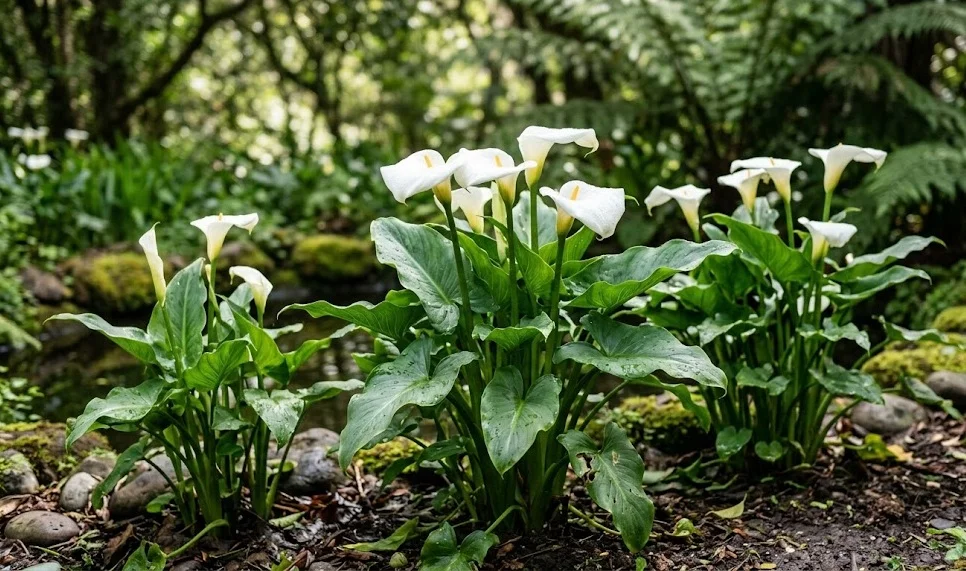

Protecting the white calla from diseases and pests is a critical aspect of its maintenance, as these issues can quickly diminish the beauty and health of your plants. While callas are generally robust, they are susceptible to a specific set of problems that thrive in the same moist environments the plants themselves enjoy. Understanding how to identify, prevent, and treat these ailments is essential for any gardener who wants to maintain a pristine collection of these elegant flowers. A proactive approach, combining good cultural practices with timely interventions, is the best defense against the most common threats.
Fungal and bacterial diseases are the most frequent challenges encountered when growing the white calla. Because these plants prefer damp soil and high humidity, they are often exposed to the very conditions that allow pathogens like Pythium and Erwinia to flourish. These diseases typically attack the underground rhizome or the base of the stems, leading to rot and the eventual collapse of the plant. Recognizing the early symptoms, such as foul odors or soft spots, can save your plants from total loss.
Pests, while often less destructive than diseases, can still cause significant aesthetic damage and weaken the plant over time. Sap-sucking insects like aphids and thrips are common visitors to the succulent leaves and flower spathes of the white calla. In addition to direct damage, these pests can also act as vectors for viral diseases, making their control even more important. Slugs and snails are another perennial problem, particularly in the damp, shaded areas where callas are often planted.
Managing these threats requires a combination of vigilance and professional techniques to ensure the safety of the plant and the surrounding ecosystem. Avoiding overcrowding, ensuring proper drainage, and keeping the growing area clean of debris are fundamental steps in reducing the risk of an outbreak. When problems do arise, choosing the least toxic yet effective treatment is the hallmark of a responsible and expert gardener. By staying informed about the specific vulnerabilities of the white calla, you can keep your garden healthy and vibrant.
Bacterial and fungal diseases
Bacterial soft rot, caused by Erwinia carotovora, is perhaps the most devastating disease that affects the white calla. It often starts at the rhizome or the soil line, manifesting as a mushy, water-soaked area that quickly spreads and gives off a characteristic unpleasant smell. Once a plant is infected with soft rot, it is very difficult to cure, and the best course of action is usually to remove and destroy the affected specimen. Preventing this disease involves using only healthy rhizomes and ensuring that the soil is well-drained and not overly compacted.
More articles on this topic
Root rot, often caused by fungi like Pythium or Phytophthora, is another common issue in poorly drained soils. The symptoms include yellowing foliage, stunted growth, and a general lack of vigor, as the plant’s root system is no longer able to take up water and nutrients. If you suspect root rot, you should immediately reduce watering and try to improve the drainage of the area. In some cases, applying a targeted fungicide can help, but addressing the underlying environmental problem is the only long-term solution.
Gray mold, or Botrytis cinerea, can affect the leaves and flowers of the white calla, especially during periods of high humidity and cool temperatures. It appears as a fuzzy, gray growth that can cause the delicate flower spathes to brown and wither prematurely. To prevent gray mold, you should ensure that your plants have plenty of space for air to circulate and avoid overhead watering in the evening. Removing any spent flowers or damaged leaves promptly will also reduce the amount of fungal spores in the area.
Leaf spot diseases, caused by various fungi, can create unsightly brown or black spots on the foliage, often surrounded by a yellow halo. While these spots may not kill the plant, they significantly reduce its ornamental value and can weaken it if the infection is widespread. Copper-based fungicides can be effective in controlling leaf spot, but keeping the foliage dry is the most important preventative measure. Improving air flow and reducing humidity around the plants will make it much harder for these fungi to take hold.
Common insect pests
Aphids are small, soft-bodied insects that cluster on the undersides of leaves and on the developing flower buds of the white calla. They feed by sucking the nutrient-rich sap from the plant, which can lead to distorted growth and yellowing of the foliage. Aphids also excrete a sticky substance called honeydew, which can attract ants and lead to the growth of sooty mold. A strong stream of water can often dislodge aphids, but for larger infestations, insecticidal soap or neem oil may be necessary.
More articles on this topic
Thrips are tiny, slender insects that can be difficult to see with the naked eye, but the damage they cause is very distinctive. They feed on the surface of the leaves and flowers, leaving behind silver or bronze streaks and small black specks of waste. Infested flower spathes may fail to open correctly or may have distorted, browned edges that ruin their appearance. Because thrips are so small and hide in the crevices of the plant, regular inspections and the use of sticky traps can help you monitor and control their population.
Spider mites are a common problem in dry, indoor environments or during hot, dusty summer spells. These tiny arachnids live on the undersides of the leaves and spin fine webs, causing the foliage to take on a stippled, yellowed appearance. You can often prevent spider mites by maintaining adequate humidity and occasionally misting the leaves with water. If an infestation occurs, treating the plant with a miticide or neem oil is usually effective, provided you cover all parts of the foliage thoroughly.
Mealybugs are another sap-sucking pest that can occasionally be found on white callas, appearing as small, white, cottony masses in the leaf axils or on the stems. Like aphids, they weaken the plant and produce honeydew, leading to secondary fungal issues. You can remove small numbers of mealybugs with a cotton swab dipped in rubbing alcohol, which dissolves their protective waxy coating. For more widespread problems, systematic treatments or horticultural oils can be used to bring the population under control.
Dealing with slugs and snails
Slugs and snails are perhaps the most visible pests of the white calla, especially in the damp, shaded conditions the plants prefer. They are nocturnal feeders that can consume large portions of the leaves and flowers in a single night, leaving behind jagged holes and telltale slime trails. A severe infestation can quickly strip a young plant of its foliage, severely stunting its growth or even killing it. Because they thrive in moisture, the very environment that callas need is exactly what attracts these mollusks.
Preventing slug and snail damage starts with reducing their hiding places around your calla beds. This means removing piles of dead leaves, long grass, and other debris where they can shelter during the heat of the day. Using a layer of sharp sand, crushed eggshells, or diatomaceous earth around the base of the plants can create a physical barrier that is uncomfortable for them to cross. These non-toxic methods are often the first line of defense for a professional gardener.
If manual prevention is not enough, there are various traps and baits available to manage slug and snail populations. Beer traps, where containers are buried at soil level and filled with beer, are a classic and effective way to lure and drown these pests. Organic iron phosphate baits are another excellent choice, as they are effective against slugs and snails but safe for birds, pets, and beneficial insects. Applying these baits in the evening, when the pests are most active, will yield the best results.
Regularly inspecting your plants at night or early in the morning can also help you catch and remove slugs and snails by hand. While this may be a time-consuming task, it is one of the most effective ways to protect your callas without using chemicals. By being consistent with your control methods, you can keep the population low enough that they cause minimal damage to your prized flowers. A healthy, well-maintained garden is much less likely to suffer from an overwhelming mollusk problem.
Viral diseases and environmental stress
Viral diseases are a more subtle but equally serious threat to the white calla, often manifesting as mottled, streaked, or distorted leaves. Unlike bacterial or fungal infections, there are no chemical cures for plant viruses, and the infected plant must usually be removed and destroyed to prevent the spread to others. Viruses are often transmitted by sap-sucking insects like aphids and thrips, which highlights the importance of controlling these pests. Keeping your garden tools sterilized between uses is another critical step in preventing the accidental spread of viral pathogens.
Environmental stress can sometimes mimic the symptoms of disease or pest damage, leading to confusion during diagnosis. For example, leaf tip burn can be caused by underwatering, over-fertilization, or a buildup of salts in the soil, rather than a pathogen. Similarly, yellowing leaves might be a sign of a nutrient deficiency or natural aging rather than an active infection. It is important to carefully evaluate all possible factors before deciding on a course of treatment for your callas.
Temperature extremes can also cause physiological issues that look like disease. A sudden cold snap can cause the stems of the white calla to collapse and turn watery, which can be mistaken for bacterial soft rot. Heat stress can lead to wilting and the premature browning of the flower spathes, even if the plant is well-watered. Providing a stable environment with appropriate shade and protection is the best way to avoid these non-pathogenic problems and keep your plants looking their best.
Healthy, well-fed plants are naturally more resilient to all types of stress, including diseases and pests. By providing the optimal balance of light, water, and nutrients, you are giving your white callas the best possible start. A strong plant can often survive a minor pest attack or a mild infection that might kill a weaker specimen. Investing time in proper care is the most effective long-term strategy for disease and pest management in any gardening professional’s repertoire.
Integrating professional protection strategies
A professional approach to calla health involves the use of Integrated Pest Management (IPM), which combines various techniques to keep problems below a damaging level. This starts with cultural controls, such as choosing the right planting site and maintaining proper hygiene in the garden. By creating an environment that favors the plant over its enemies, you reduce the need for more intensive interventions later on. IPM is about being proactive and thoughtful rather than simply reacting to problems as they arise.
Monitoring is a key component of this strategy, requiring you to spend regular time in your garden observing the health of your callas. Catching an aphid infestation or the first signs of leaf spot early makes treatment much simpler and more effective. Keeping a garden journal can help you track when certain pests appear or when weather patterns seem to trigger disease outbreaks. This historical data is invaluable for planning your care routine in future years and staying one step ahead of potential threats.
When you do need to use treatments, always start with the least invasive options, such as manual removal or organic sprays. If these are not sufficient, you may need to move to more targeted chemical controls, but these should always be used as a last resort and strictly according to the label instructions. Being mindful of the impact your treatments have on beneficial insects, such as bees and ladybugs, is also a hallmark of a professional and ethical gardener. A balanced ecosystem is your greatest ally in the fight against pests and diseases.
Finally, remember that some loss is a natural part of gardening, and not every plant can be saved once it becomes severely diseased. Learning when to remove a plant for the sake of the rest of the collection is an important skill. By maintaining high standards of care and being decisive when problems occur, you ensure that your white callas remain a source of beauty and pride for many seasons to come. Professionalism in the garden is as much about observation and prevention as it is about active intervention.