
The light environment in which you place your pink knotweed will dictate its growth habit, foliage color, and flowering potential. While this species is remarkably versatile and can tolerate a range of conditions, understanding its preferences is key to achieving a professional-looking landscape. Light is the primary energy source for the plant, and its availability directly influences the chemical processes that create its unique ornamental features. By carefully placing your plants relative to the sun, you can manipulate their appearance to suit your design goals.
The benefits of full sun exposure
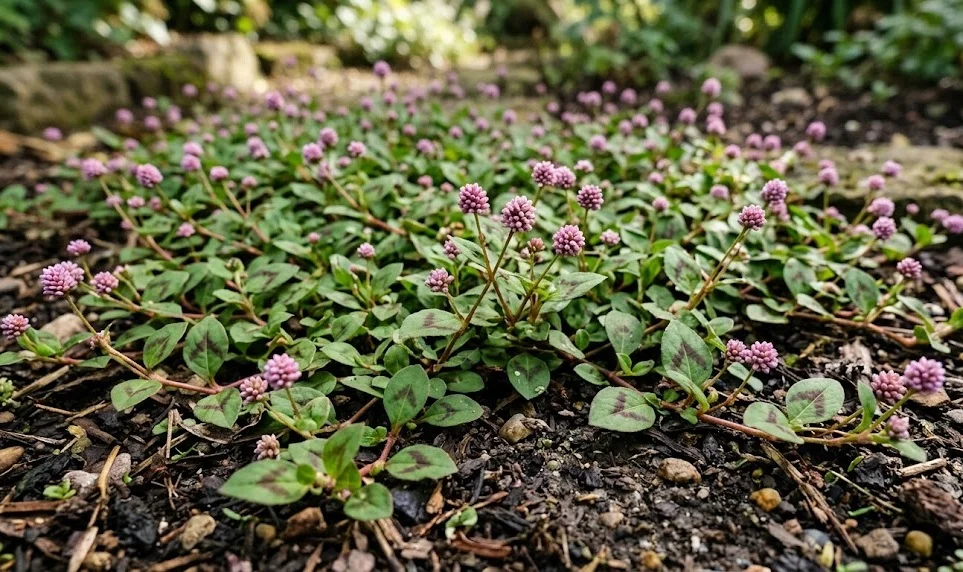
Pink knotweed is at its most vibrant when grown in a location that receives full sun for the majority of the day. In these conditions, the plant produces the densest possible mat of foliage, which is ideal for weed suppression and erosion control. The high light intensity triggers the production of anthocyanins, the pigments responsible for the deep bronze and red tones in the leaves. If you want the dark chevron pattern to be highly visible and dramatic, full sun is the way to go.
Flowering is also significantly enhanced by abundant sunlight, as the plant has more energy to put into reproductive structures. You can expect a much more prolific display of pink globes from late spring through autumn when the plant is not competing for light. The individual flower heads also tend to be larger and more brightly colored in sunny spots. For a groundcover that truly “pops” in the landscape, prioritize areas with unobstructed southern or western exposure.
One thing to keep in mind when planting in full sun is the increased need for consistent moisture. The soil will dry out much faster under the direct heat of the sun, and the leaves will transpire water at a higher rate. While the plant is drought-tolerant, it will look its best if the soil remains slightly moist during the peak of summer. Using a light mulch can help protect the roots from the intense surface heat and keep the hydration levels stable.
In very hot climates, full sun can sometimes be a bit too intense during the middle of the afternoon. If you notice the leaves looking scorched or bleached out, it might be an indication that the light is exceeding the plant’s tolerance levels. In these specific cases, a spot that gets morning sun and afternoon shade can provide the perfect balance. Professional gardeners often use the surrounding architecture or taller plants to provide this kind of strategic relief.
More articles on this topic
Navigating the challenges of partial shade
While pink knotweed can survive in partial shade, its growth habit will change significantly compared to plants grown in full sun. In lower light levels, the stems tend to become longer and more “leggy” as they stretch toward the available light source. This can result in a thinner, less dense carpet of foliage that may not be as effective at blocking out weeds. If you are using the plant for a functional purpose, keep this morphological shift in mind during your planning phase.
The color of the foliage also undergoes a noticeable transformation when the plant is moved into the shade. The deep bronze tints often fade to a more uniform, bright green, and the signature dark chevron pattern may become faint or disappear entirely. For some garden designs, this softer, greener look might actually be preferable, providing a cool and refreshing feel. Understanding how to use light to “tune” the color of your groundcover is a hallmark of professional plant management.
Flowering will naturally be more sparse in shaded areas, with fewer globes appearing throughout the season. However, the flowers that do appear often last longer because they are not subjected to the scorching heat of the direct sun. In a woodland garden setting, a few scattered pink blooms against a green backdrop can create a very delicate and naturalistic effect. It is all about matching the plant’s performance to the overall aesthetic you are trying to achieve in that specific part of the garden.
If you are planting under a tree canopy, be aware of the competition for both light and water from the tree’s roots. You may need to provide extra irrigation and perhaps a bit more fertilizer to compensate for the resources being taken by the larger neighbor. Pruning back the lower branches of overhanging trees (limbing up) can also help increase the amount of dappled light reaching the groundcover. This simple task can significantly improve the health and appearance of your knotweed in a shaded location.
More articles on this topic
Indoor and container lighting considerations
When growing pink knotweed in containers or indoors, managing the light environment becomes a more controlled but equally important task. If kept on a patio or balcony, ensure the pot is placed where it can receive at least a few hours of direct sunlight each day. Rotating the container every week or two will ensure that all sides of the plant receive equal light, preventing it from growing lopsided. This practice maintains the symmetrical and full appearance that is so desirable in decorative planters.
If you are keeping the plant indoors for the winter or as a year-round houseplant, a very bright windowsill is a must. A south-facing window is usually the best option, providing the most consistent and intense light throughout the day. If natural light is insufficient, the plant will quickly become weak and pale, losing its compact form. In these situations, supplemental lighting from professional-grade grow lights can make a dramatic difference in the plant’s health.
LED grow lights are a great choice because they provide the specific spectrum of light the plant needs without generating excessive heat. Position the light about thirty to forty centimeters above the plant and keep it on for twelve to fourteen hours a day to mimic a summer day. This consistent light source will allow the knotweed to maintain its vibrant colors even in the middle of winter. It is a fantastic way to enjoy the beauty of this species in an office or a room with poor natural lighting.
Be careful not to move a plant suddenly from a dark indoor spot to a bright outdoor location, as this can cause the leaves to sunburn. The plant needs time to adjust to the increased UV radiation, a process known as hardening off. Start by placing the container in a shaded outdoor spot for a few hours a day and gradually increase the exposure over a week. This professional approach ensures a smooth transition and prevents any setback in the plant’s growth or appearance.