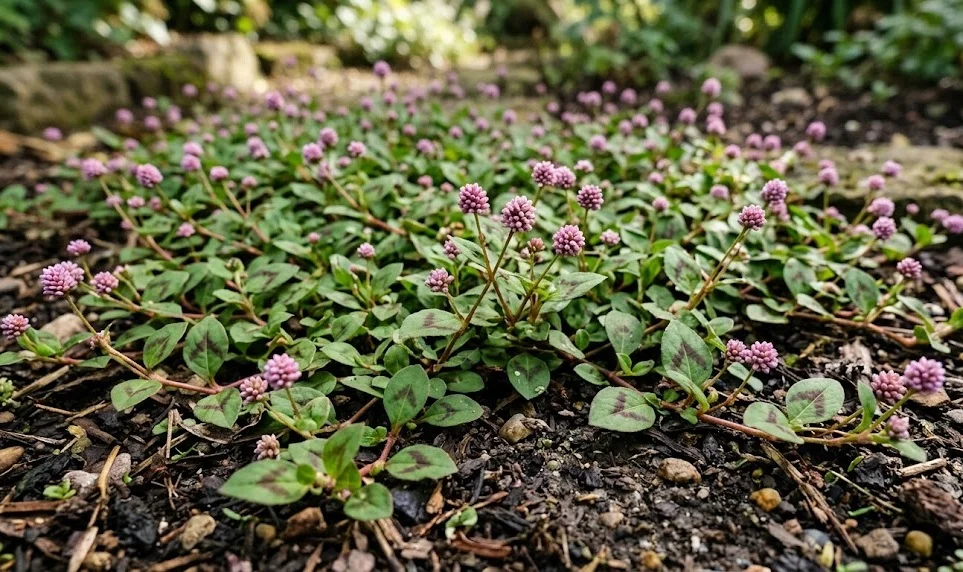

Proper hydration and nutrient management are the twin pillars of maintaining a lush and healthy carpet of pink knotweed. While this species is known for its resilience, its ornamental quality is directly tied to the consistency of the care it receives. A plant that is starving for water or essential minerals will quickly lose its vibrant color and dense growth habit. By following a professional approach to watering and feeding, you can ensure your garden remains a showstopper throughout the entire growing season.
Establishing a baseline for hydration
Understanding the specific water needs of pink knotweed is essential for any serious gardener or landscape professional. During the first few weeks after planting, the young specimens require consistent moisture to establish their root systems in the new soil. You should check the soil moisture daily and water whenever the top inch feels dry to the touch. This initial phase is the only time the plant is truly vulnerable to drying out completely.
Once the plant is established and has begun to spread, its water requirements become much more manageable. It has a moderate drought tolerance, meaning it can survive short periods without rain or irrigation without permanent damage. However, for the best visual results, you should aim for a deep watering once or twice a week during dry spells. Deep watering encourages the roots to grow further down into the soil, making the plant more resilient in the long run.
The time of day you choose to water can also impact the health and efficiency of your knotweed patch. Watering in the early morning is ideal as it allows the foliage to dry off before the sun gets too hot, reducing the risk of fungal issues. If morning isn’t possible, late afternoon is the next best option, provided there is enough time for the leaves to dry before nightfall. Avoid watering in the middle of a hot day, as much of the moisture will simply evaporate before it reaches the roots.
Observing the plant’s physical appearance is the best way to determine if your watering schedule needs adjustment. If the leaves begin to look dull or start to droop slightly, it is a clear sign that the plant is thirsty. Conversely, if you notice the lower leaves turning yellow and falling off, you might be overwatering and causing the soil to become waterlogged. Finding that “sweet spot” of moisture will result in a thick, healthy mat of foliage that can withstand the summer heat.
More articles on this topic
Seasonal adjustments to irrigation routines
As the seasons change, so too must your approach to watering your pink knotweed to account for shifting temperatures and evaporation rates. In the spring, when growth is rapid and the weather is often damp, you may find that natural rainfall is sufficient for the plant’s needs. During this time, your main task is to monitor for any unusual dry spells that could stall the early-season development. A little extra help during a dry spring can lead to a much more impressive summer display.
The peak of summer brings the highest demand for water as the plant is both growing and flowering at its maximum capacity. During heatwaves, you might need to increase the frequency of your irrigation to prevent the soil from becoming bone-dry. If the plant is growing in a container or a raised bed, it will dry out much faster than those planted in the ground. Professional gardeners often use drip irrigation systems to provide a slow, steady supply of water directly to the root zone.
In the autumn, as the days shorten and temperatures drop, the plant’s metabolic rate slows down significantly. This is the time to begin reducing the frequency of your watering to help the plant prepare for its winter dormancy. Excess water in the late autumn can sometimes encourage late-season fungal problems or make the roots more susceptible to rot during the winter. Let the soil dry out a bit more between waterings than you would during the height of summer.
Winter watering is rarely necessary for plants in the ground, as they are typically dormant and the soil remains naturally moist. However, if you are experiencing a particularly dry winter with little snow or rain, a light watering on a warm day can prevent the roots from desiccating. For container-grown knotweed that is being kept in a sheltered area, check the moisture level once a month. You want the soil to be just barely moist, never wet, during the cold months.
More articles on this topic
Nutrient requirements for optimal growth
While pink knotweed is not a heavy feeder, providing the right nutrients at the right time will significantly enhance its performance. A healthy soil structure enriched with organic matter is usually enough to support the plant for its first year. As the plant exhausts the local nutrients over several seasons, a supplemental feeding program becomes more important. Professional-grade fertilizers can help maintain the dark chevron patterns on the leaves and promote continuous blooming.
A balanced, slow-release granular fertilizer is often the best choice for general groundcover maintenance in a professional setting. Applying this in early spring just as the first new leaves appear provides a steady supply of nutrients throughout the main growing season. Be sure to spread the granules evenly across the entire patch and water them in immediately to prevent leaf burn. This single application is often all that is required for the entire year in most garden soils.
If you prefer a more immediate boost, liquid fertilizers can be used every four to six weeks during the summer. This is particularly effective for plants growing in hanging baskets or decorative pots where nutrients are quickly washed away. Choose a formula that is slightly higher in phosphorus to encourage the production of the small pink flower globes. Always follow the manufacturer’s instructions for dilution to avoid over-fertilizing, which can lead to excessive, weak foliage growth.
In very poor or sandy soils, the plant may show signs of nutrient deficiency, such as pale leaves or stunted growth. In these cases, a specialized fertilizer containing micronutrients like iron and magnesium might be necessary to restore the plant’s health. You can also supplement the soil with high-quality compost or leaf mold each spring to improve its natural fertility. This organic approach builds long-term soil health while providing the plant with a diverse range of nutrients.
Organic vs mineral fertilization options
Choosing between organic and mineral fertilizers depends on your personal gardening philosophy and the specific needs of your site. Organic options, such as compost tea, fish emulsion, or seaweed extracts, are excellent for promoting overall soil life and long-term health. These products release nutrients slowly and improve the soil structure as they break down over time. Many professionals prefer this method because it is environmentally friendly and less likely to cause nutrient runoff into local waterways.
Mineral or synthetic fertilizers offer the advantage of precision and immediate availability of nutrients to the plant. If you are dealing with a severe deficiency or need to quickly boost the appearance of a landscape for an event, these are the better choice. They come in various formulations, allowing you to tailor the nutrient ratio to the specific stage of the plant’s growth. However, they do not contribute to the long-term health of the soil in the way that organic amendments do.
A hybrid approach is often the most successful strategy for high-end gardening projects. You can use compost and organic mulches to build the soil foundation and then use small amounts of synthetic fertilizer for a mid-season “pick-me-up.” This ensures the plant has everything it needs to look its best while still prioritizing the health of the garden ecosystem. Experimenting with different combinations will help you find the best routine for your specific microclimate.
Regardless of the type of fertilizer you choose, always avoid applying it to a plant that is already under significant water stress. If the plant is wilting from thirst, the concentrated salts in fertilizers can cause severe damage to the roots. Always water the plant thoroughly a day before you plan to fertilize and again immediately after application. This safety measure ensures that the nutrients are absorbed effectively and safely by the pink knotweed.
Visual cues for water and nutrient stress
Becoming an expert in caring for pink knotweed involves learning to “read” the plant’s physical signals. Water stress is usually the easiest to identify, as the stems will lose their turgidity and the leaves will appear limp and lifeless. If the edges of the leaves start to turn brown and crispy, the plant has likely been too dry for an extended period. Regular observation allows you to catch these signs early before the plant suffers permanent damage or enters premature dormancy.
Nutrient deficiencies often manifest as changes in the color and pattern of the foliage. If the entire plant starts to look pale or yellowish (chlorosis), it is likely a sign of nitrogen deficiency or a lack of available iron. If the edges of the leaves turn purple or reddish beyond their normal bronze tint, it could indicate a lack of phosphorus. Keeping an eye on these subtle shifts in color allows you to adjust your fertilization program before the aesthetic of the garden is compromised.
The chevron pattern on the leaves is also a good indicator of the plant’s overall health and the amount of light it is receiving. If this dark marking begins to fade or disappears entirely, the plant may be receiving too much nitrogen or not enough sunlight. A healthy plant will have crisp, well-defined markings that contrast beautifully with the surrounding green or bronze tissue. Balancing nutrient levels is key to maintaining these prized ornamental features.
Finally, the abundance and size of the pink flower globes tell you a lot about the plant’s energy levels. If the plant is producing plenty of foliage but very few flowers, you might be using a fertilizer that is too high in nitrogen. On the other hand, if the flowers are small and sparse, the plant might simply need more overall energy in the form of balanced nutrients and water. By responding to these visual cues, you can provide the exact care your knotweed needs at any given moment.