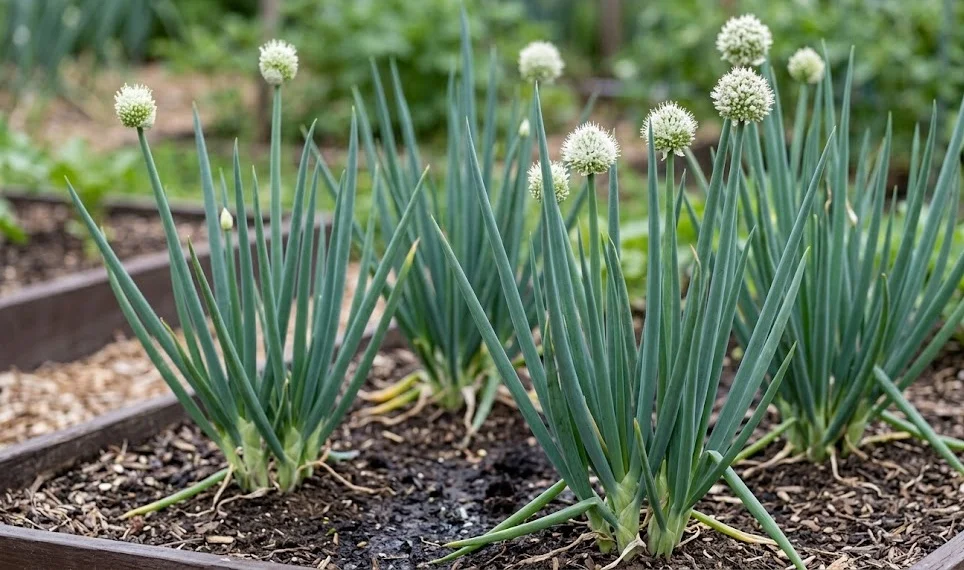

Successfully establishing a patch of winter bunching onions begins with a clear understanding of their unique reproductive habits and growth requirements. These plants are exceptionally versatile, allowing gardeners to start them from seeds or through the division of existing clumps. Choosing the right method depends on the desired timeline for harvest and the specific environmental conditions of the garden. A professional approach to planting ensures that the young onions have the best possible start for a long and productive life.
When starting from seeds, it is important to source high-quality, fresh material from a reputable supplier. Bunching onion seeds have a relatively short shelf life and their germination rates can drop significantly after the first year. Sowing can take place in early spring for a summer harvest or in late summer for a crop that will overwinter. The depth of sowing is crucial; placing the seeds about one centimeter deep ensures they remain moist while still being able to reach the surface.
If you choose to propagate through division, the best time to act is during the cooler months of spring or autumn. This process involves lifting a mature clump and carefully separating the individual bulbs with their attached roots. Each division should have a healthy root system and at least a few green shoots to support immediate regrowth. Replanting these divisions immediately prevents the roots from drying out and minimizes transplant shock.
The spacing of your plants will ultimately determine the size and quality of the individual onions. For large, thick stalks, provide at least ten to fifteen centimeters of space between each plant in the row. If you prefer a more “clumped” look or want to harvest young greens, closer spacing is acceptable. A professional layout allows for easy access during weeding and harvesting, ensuring that the bed remains manageable throughout the season.
Soil preparation and site selection
Preparing the perfect bed for your onions involves more than just digging a hole in the ground. These plants thrive in soil that is rich in organic matter and has a loose, friable texture that allows for easy root penetration. Incorporating well-rotted manure or high-quality compost into the top twenty centimeters of soil provides a steady supply of nutrients. It also improves the soil’s ability to hold moisture, which is vital during the early stages of establishment.
More articles on this topic
Site selection is equally important because onions require a location with excellent drainage to prevent rot. They should be placed in a spot that receives full sun for the majority of the day, especially during the shorter days of winter. Avoid low-lying areas where water tends to collect after heavy rains or snowmelt. A slightly raised bed can be an excellent solution for improving drainage in areas with heavy clay soil.
Before planting, it is wise to clear the area of all perennial weeds and large stones that might interfere with growth. Weeds can easily outcompete young onion seedlings for light and water, leading to a patchy and weak stand. Leveling the surface of the bed ensures that water is distributed evenly and prevents erosion during irrigation. A clean, well-prepared site is the foundation of a successful agricultural project.
The chemical composition of the soil should be checked to ensure it falls within the ideal pH range of 6.0 to 7.0. If the soil is too alkaline or too acidic, the young plants may struggle to absorb the nutrients they need to grow. Adjusting the pH should be done several weeks before planting to allow the amendments to react with the soil. Taking these professional steps ensures that the environment is perfectly tuned for the specific needs of the onion.
Sowing and germination techniques
Sowing seeds in rows makes future maintenance much easier and allows for more efficient use of space. Create shallow furrows and space the seeds evenly to avoid the need for excessive thinning later on. Covering the seeds with a fine layer of compost or vermiculite can help maintain the necessary humidity for germination. Consistent moisture is the most important factor during this stage, as the seeds should never be allowed to dry out completely.
More articles on this topic
Germination usually occurs within seven to fourteen days, depending on the soil temperature and moisture levels. Once the “loops” of the young onions appear above the soil, they are particularly vulnerable to environmental stress. Providing a light mulch or a row cover can protect the delicate seedlings from heavy rain or extreme sun. As the first true leaves develop, the plants become more resilient and start to establish a more robust root system.
Thinning the seedlings is a necessary step that many home gardeners find difficult to perform. If left too crowded, the plants will compete for resources and none of them will reach their full potential. Remove the weakest seedlings to leave only the strongest and most vigorous plants at the desired spacing. The thinnings do not have to go to waste, as they are delicious when added to fresh salads or soups.
For those who want an even earlier start, sowing seeds in trays indoors can be very effective. This allows for total control over the environment and protects the young plants from erratic spring weather. The seedlings can be transplanted outdoors once they have reached the “pencil-thick” stage and the soil has warmed up. Hardening off the plants by gradually exposing them to outdoor conditions is essential to prevent transplant shock.
Advanced propagation by division
Division is the fastest way to expand your onion patch and is a common practice among professional growers. After lifting a large clump, look for natural separation points where the bulbs can be pulled apart easily. It is better to have a smaller number of high-quality divisions than a large number of weak ones. Trim the long roots and the tops of the leaves slightly to balance the plant and reduce water loss through transpiration.
When replanting the divisions, make sure the hole is deep enough to accommodate the roots without bending them. The base of the bulb should be set at the same depth it was previously growing to avoid stem rot. Firm the soil around the base of the plant to remove any air pockets and ensure good root-to-soil contact. Watering immediately after planting helps the soil settle and gives the plant the hydration it needs to start new growth.
Dividing your onions every three to four years helps to rejuvenate the patch and maintain high yields. Over time, clumps can become so dense that the centers start to die out or become less productive. By redistributing the plants, you are essentially giving them a fresh start in a new location with fresh soil. This cycle of renewal is one of the reasons why winter bunching onions are such a reliable long-term crop.
If you have more divisions than you need, they make excellent gifts for fellow gardeners or can be used to start new beds in different parts of the yard. Because they are so hardy, they tolerate being handled and moved much better than many other garden vegetables. This ease of propagation makes the winter bunching onion a favorite for community gardens and large-scale agricultural projects. Successful propagation is a skill that ensures a lifetime of harvests from a single initial investment.