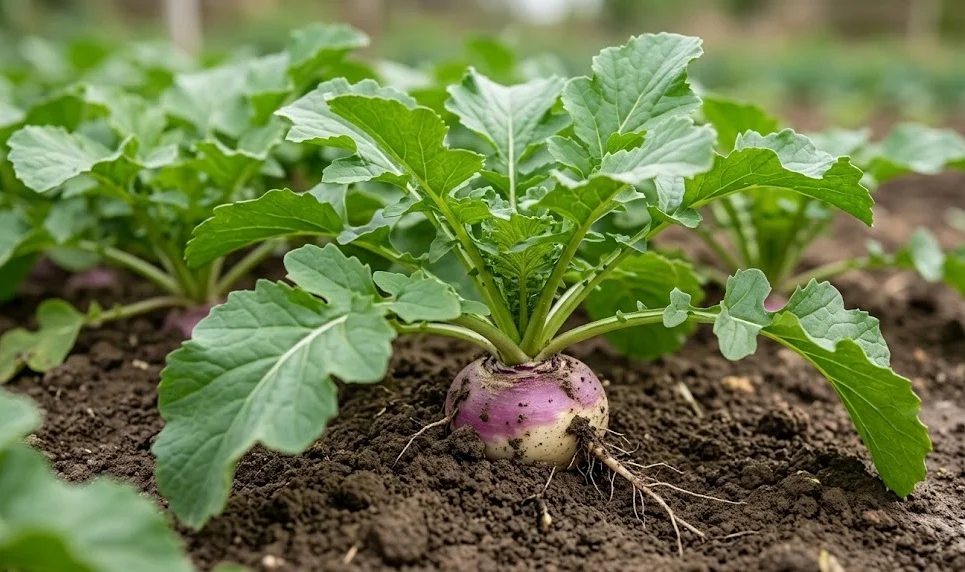

While pruning is not a traditional practice for broad-acre field crops, the targeted management of stubble turnip foliage can be a sophisticated tool for the expert grower. You must understand that managing the “top-growth” of the plant can influence how energy is partitioned between the leaves and the developing roots. In certain agricultural systems, such as small-scale production or specific forage management, cutting back the leaves can serve multiple strategic purposes. A professional approach involves a careful assessment of the plant’s growth stage and the specific goals of the cultivation cycle.
The primary reason to consider cutting back stubble turnip foliage is to stimulate a fresh flush of growth or to manage the canopy density. You should only attempt this when the plants are vigorous and have enough energy reserves in their root system to support a quick recovery. If done correctly, a light trim can remove older, less efficient leaves and allow more light and air to reach the center of the plant. This intervention can be particularly useful in preventing the buildup of moisture-related diseases that thrive in overgrown, stagnant vegetation.
Another application of cutting back is the strategic harvesting of the leafy greens for early-season forage or human consumption. You should be careful to leave enough leaf area for the plant to continue photosynthesis and maintain its metabolic processes at a healthy level. Removing too much of the canopy at once can shock the turnip and lead to a significant slowdown in root development, which may be counterproductive to your main goals. Finding the right balance between utilization and continued growth is the key to successful foliage management.
Timing is the most critical factor when deciding to intervene with the physical structure of the stubble turnip foliage. You should avoid cutting back during periods of extreme environmental stress, such as drought or intense heat, when the plant’s resilience is at its lowest. Ideally, any trimming should be done during periods of active growth and moderate weather to ensure a rapid and healthy response from the crop. A professional grower uses pruning not as a routine task, but as a calculated intervention to optimize the plant’s performance.
Canopy thinning and airflow
Thinning the canopy by selectively removing a portion of the foliage can significantly improve the microclimate within a dense stand of stubble turnips. You should focus on removing the oldest, lowest leaves that are often shaded by the upper canopy and contribute less to the plant’s energy budget. This allows for better air circulation around the crown and the base of the plant, which is essential for reducing the humidity that favors fungal pathogens. A “breathing” canopy is much more resilient and stays healthier for longer during the damp months of late autumn.
More articles on this topic
The physical removal of these lower leaves also makes it much easier to inspect the root zone for pests like the cabbage root fly or signs of soil-borne diseases. You should use this opportunity to get a clear view of the plant’s overall structural integrity and the health of the swelling root. This increased visibility allows you to detect problems earlier and take more precise action than would be possible in a completely closed and overgrown canopy. Managing the physical space within the crop is a mark of a highly attentive and expert agriculturalist.
When you decide to thin the foliage, you should ensure that your tools are sharp and clean to prevent the accidental spread of diseases between plants. You should make clean cuts that minimize the wounded surface area, allowing the plant to seal the breach quickly and effectively. Ragged or torn leaves are much more likely to become entry points for opportunistic fungi and bacteria that can compromise the health of the entire turnip. Professionalism in these physical tasks is just as important as it is in the broader strategic planning for the field.
The results of a successful canopy thinning should be visible within a week as the plant adjusts to its new structure and increased light penetration. You will often notice that the remaining leaves become more vibrant and the overall stand appears more robust and uniform. This improved vigor is a direct result of the reduced competition for light and the better environmental conditions you have created through your intervention. Strategic thinning is a powerful tool for maintaining the health and productivity of your stubble turnip crop.
Managing regrowth and energy partitioning
The stubble turnip has a remarkable ability to regrow its foliage after a moderate cutting, provided it has the necessary nutrients and moisture. You should recognize that this regrowth comes at a metabolic cost, as the plant must divert energy from its root reserves to rebuild its photosynthetic capacity. If your goal is maximum root size, you should be very cautious about any significant removal of the leaves during the peak swelling phase. However, if your goal is a sustained supply of leafy forage, a controlled cutting schedule can be a highly effective management strategy.
More articles on this topic
Understanding how the plant partitions its energy between different tissues is essential for making informed decisions about cutting back the foliage. You should observe the growth habit of your specific variety, as some are more predisposed to leaf production while others focus primarily on the root. A professional grower adapts their management to the biological strengths and weaknesses of the cultivar they have chosen for the season. This nuanced approach ensures that you are working in harmony with the plant’s natural tendencies for the best possible results.
After a period of cutting or grazing, you should consider providing a light application of nitrogen to support the rapid development of new leaf tissue. You should time this nutrient boost to coincide with the next watering or expected rain to ensure the plant can access the minerals immediately. This support helps the turnip recover more quickly and minimizes the time that the soil is exposed to the elements. Managing the recovery phase is just as important as the act of cutting itself in a professional agricultural system.
Continuous monitoring of the regrowth allows you to assess the health of the underlying root system and the overall resilience of the crop. You should look for a fast, uniform emergence of new leaves that indicates a strong and well-fed plant with plenty of energy reserves. If the regrowth is patchy or slow, it may be a sign that the plant is under stress or that you have exceeded its capacity for regeneration. Learning from these observations allows you to refine your management techniques and become a more expert grower over time.
Post-harvest trimming and storage prep
If the stubble turnips are being harvested for storage or human consumption, the process of trimming the leaves becomes a standard part of the post-harvest workflow. You should remove the foliage approximately one to two centimeters above the crown to avoid damaging the growth point while preventing the leaves from rotting in storage. This “topping” of the roots is a technical task that requires precision to ensure a clean and professional appearance for the final product. Removing the leaves also stops the plant from continuing to lose moisture through transpiration, which extends the storage life of the root.
The removed foliage can be a valuable byproduct that should not be wasted in a professional and sustainable agricultural operation. You should consider using the trimmed leaves as a green manure, a component of a compost system, or as a fresh forage for smaller livestock. This holistic view of the crop ensures that every part of the plant is utilized to its full potential, maximizing the overall efficiency of your farm. A professional grower sees the “waste” from one process as the “input” for another, creating a more circular and resilient system.
During the trimming process, you have a final opportunity to inspect every root for signs of disease or physical damage that might affect its storage quality. You should set aside any turnips that show signs of rot, insect tunneling, or mechanical bruising to prevent them from contaminating the healthy roots. This quality control step is essential for maintaining a professional standard and ensuring that only the best products reach your customers or your storage facility. Attention to detail at this final stage is what defines a truly expert agricultural producer.
Finally, documenting the results of your foliage management and trimming practices provides a valuable record for future seasons and continuous improvement. You should note how different varieties responded to being cut back and which techniques resulted in the best final quality for your needs. This commitment to learning and refinement is what builds the deep expertise required to master the cultivation of stubble turnips. Pruning and cutting back, when done with skill and foresight, are valuable additions to your agricultural toolkit.