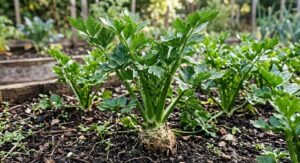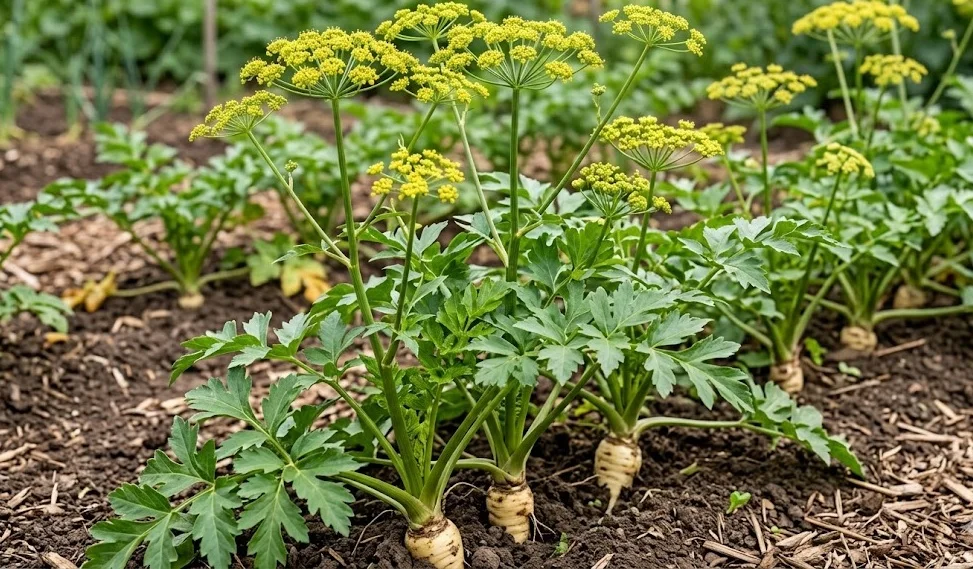

While parsnips are not typically pruned in the same way as fruit trees or ornamental shrubs, the management of their foliage is a vital part of professional agricultural care. Trimming can be used as a targeted intervention to improve plant health, prevent the spread of disease, and manage the overall vigor of the crop throughout the long growing season. You must approach any removal of foliage with a clear goal and an understanding of how it will affect the underlying root system. A professional grower knows that every leaf removed is a small reduction in the plant’s total energy-producing capacity.
The primary reason to trim parsnip leaves is to remove diseased, damaged, or decaying material that could harbor pests or pathogens near the crown of the root. You should regularly inspect your plants and use clean, sharp shears to snip off any leaves that show signs of fungal infection or severe insect damage. By removing these problematic tissues early, you can often stop a minor issue from becoming a major outbreak that threatens the entire bed. Professional magazin articles emphasize that sanitation through selective trimming is one of the most effective ways to maintain a healthy and productive garden.
Thinning the canopy is another professional technique that can be used to improve airflow around the base of the plants and reduce the risk of rot in humid conditions. If the foliage becomes so dense that the air cannot circulate, the humidity near the soil surface will remain high, creating a perfect environment for diseases like crown rot. You can selectively remove a few of the older, lower leaves to open up the space and allow the soil surface to dry out more effectively between waterings. This subtle adjustment in the plant’s structure can have a significant impact on its long-term health and resilience.
Proper timing and technique are essential when trimming parsnips to avoid causing unnecessary stress or creating entry points for bacteria and fungi. You should perform any necessary trimming during dry weather when the wounds can heal quickly and there is less risk of spreading spores through water droplets. Always use sterilized tools and make clean, precise cuts at the base of the leaf stalk, being careful not to nick or bruise the sensitive crown of the root. By following these professional guidelines, you can use trimming as a powerful tool for crop management and ensure a high-quality harvest at the end of the year.
Foliage management and health
The overall health of the parsnip foliage is the best indicator of how well the plant is performing and how large the final root is likely to be. You should aim to maintain a robust and vibrant canopy of green leaves for as long as possible during the growing season to maximize energy storage. If the leaves are healthy and productive, the plant will have plenty of resources to build a deep, sugary taproot that is characteristic of a professional-grade crop. Any management activities, including trimming, should be done with the ultimate goal of supporting the long-term vitality of the foliage.
More articles on this topic
Managing the height and spread of the leaves is sometimes necessary in small gardens or when growing parsnips in close proximity to other sensitive crops. You might find that the large, spreading leaves of mature parsnips can begin to shade out neighboring plants or interfere with the maintenance of the garden paths. In these cases, you can gently trim back some of the outward-reaching foliage to keep the plants within their designated space without significantly impacting their overall growth. This professional balancing act ensures that the entire garden remains organized and every plant has the room it needs to thrive.
The seasonal life cycle of the foliage is another factor that professional growers must consider when managing their parsnip beds throughout the year. You will notice that the older, outer leaves of the plant will naturally begin to yellow and die back as new leaves emerge from the center of the crown. You can remove these spent leaves to keep the garden bed tidy and reduce the amount of decaying organic matter on the soil surface. This light, ongoing maintenance is part of the professional routine that keeps the crop looking its best and minimizes the risk of pest and disease issues.
Finally, you should be aware of the safety precautions necessary when handling and trimming parsnip foliage, especially on sunny days in the middle of summer. As mentioned in other professional guides, the sap of the parsnip plant contains compounds that can cause skin irritation when combined with ultraviolet light. You should always wear gloves and long sleeves when performing any trimming or maintenance tasks involving the leaves to protect your skin from potential reactions. By prioritizing both plant health and personal safety, you can achieve professional results in your agricultural magazine’s parsnip cultivation trials.
Removing diseased and damaged leaves
The early identification and removal of diseased foliage is one of the most important tasks for maintaining a healthy parsnip crop in any professional garden. You should look for spots, blights, or discolored patches on the leaves, which could indicate the presence of fungal or bacterial pathogens. When you find an infected leaf, you must remove it immediately and dispose of it far away from the garden to prevent the spores from spreading to healthy plants. This “surgical” approach to disease management is a hallmark of an experienced and professional agriculturist who understands the importance of sanitation.
More articles on this topic
Damage from pests, such as leaf miners or caterpillars, can also be managed through selective trimming if the infestation is caught early enough. You might see tunnels or holes in the leaves that indicate the presence of feeding insects that are consuming the plant’s photosynthetic machinery. If the damage is localized to a few leaves, removing them can physically remove the pests and their eggs from the crop, reducing the overall pressure on the bed. A professional grower uses their observations to decide when trimming is the most effective and least invasive way to deal with a specific pest problem.
Environmental damage, such as leaf scorch from extreme heat or wind burn from a sudden storm, may also require some remedial trimming to tidy up the plants. You should remove any severely damaged or dead leaf tissue that is no longer contributing to the plant’s growth and may be inviting secondary rot. While the plant can often recover from these environmental stresses, removing the damaged parts helps it focus its energy on producing new, healthy foliage. This professional care helps the crop bounce back more quickly and maintain its progress toward a successful late-season harvest.
The cleanliness of your tools is the most critical factor when trimming diseased material, as dirty shears can easily spread the very pathogens you are trying to remove. You should disinfect your cutting tools with a simple alcohol or bleach solution between every plant to ensure you are not cross-contaminating the entire row. A professional grower never takes chances with tool hygiene, especially when dealing with known disease issues in the agricultural magazin’s trial plots. By maintaining a sterile working environment, you can use trimming as a safe and effective way to protect the health of your parsnip crop.
Impact on root energy and development
Every leaf on a parsnip plant represents a portion of its potential for energy production and root development during the long growing season. You must remember that the plant uses the sugars produced in the leaves to fuel its metabolic processes and build up the stores of starch in the taproot. When you trim or remove healthy foliage, you are essentially reducing the size of the plant’s “power plant,” which can lead to a smaller final harvest if done excessively. A professional approach to trimming involves finding the right balance between maintaining health and preserving the plant’s productive capacity.
The timing of any foliage removal is also important because the plant’s energy needs and storage habits change as it matures throughout the year. You should avoid heavy trimming during the peak growth months of mid-summer when the plant is working hardest to expand its root system. If you must remove foliage, it is better to do so in the late spring during the establishment phase or in the autumn when the growth rate has naturally started to slow down. Professional agriculturists use their understanding of the plant’s life cycle to time their maintenance activities for the least possible impact on the final yield.
Research has shown that while light trimming is generally well-tolerated, the removal of more than twenty percent of the foliage can significantly reduce the final weight of the parsnip roots. You should be conservative with your pruning and only remove leaves when there is a clear and compelling reason to do so for the health of the plant. A professional grower always weighs the potential benefits of trimming against the cost in terms of reduced energy storage and root growth. This nuanced decision-making process is part of the professional skill set required for successful and high-quality vegetable cultivation.
Finally, you should monitor the plants closely after any trimming to ensure they are recovering well and showing no signs of stress or secondary infection in the wounds. Providing a little extra water or a gentle dose of organic liquid fertilizer can help the plants bounce back and resume their normal growth patterns. The goal of all professional maintenance, including trimming, is to support the plant in producing the best possible version of itself for the final harvest. By treating the foliage with respect and care, you ensure a bountiful and high-quality result that represents the peak of your agricultural magazine’s professional standards.