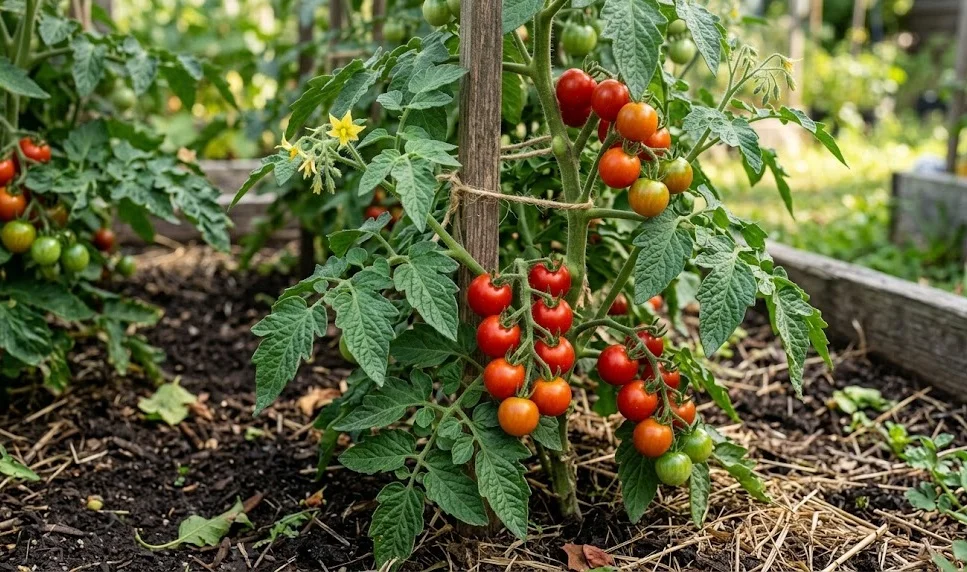

Tomatoes are true sun-lovers that require a significant amount of high-quality light to perform the complex chemical processes needed to create their flavorful fruits. You must understand that light is the primary source of energy for the plant, and without it, no amount of water or fertilizer can produce a successful harvest. Providing the correct duration and intensity of sunlight is the most important factor in determining the overall health and productivity of your garden rows. By positioning your plants correctly, you ensure that every leaf can act as a miniature solar panel, powering the growth of the entire vine.
The standard professional recommendation is that tomatoes need at least six to eight hours of direct sunlight every single day to thrive and produce well. In cooler climates, you should aim for even more exposure, perhaps up to ten or twelve hours, to provide the heat and energy necessary for ripening the fruit. If your garden is partially shaded by trees or buildings, you should choose the sunniest possible spot for your tomato beds to minimize the stress on the plants. Without enough sun, the plants will become “leggy,” with long gaps between the leaves and very few flowers or fruit clusters.
The quality of the light is just as important as the quantity when it comes to the complex biological needs of a developing tomato plant. Morning sun is particularly valuable because it helps dry the dew off the leaves quickly, which is a key factor in preventing the spread of many fungal diseases. Late afternoon sun can be very intense and may cause heat stress in some regions, so providing a bit of light dappled shade during the hottest part of the day can sometimes be beneficial in southern climates. Understanding these nuances of light allows you to place your plants in the perfect microclimate for their specific variety and growth habit.
In indoor growing environments or greenhouses, you must often supplement natural light with artificial sources to ensure the plants get the intensity they need to grow strong stems. High-output LED grow lights or fluorescent tubes are common professional choices because they provide a broad spectrum of light that mimics the natural sun. You should keep these lights close to the plants, often just a few centimeters above the foliage, and adjust their height as the tomatoes grow taller each week. Providing a consistent sixteen-hour light cycle indoors will produce sturdy, dark green seedlings that are ready to face the challenges of the outdoor garden.
Positioning for maximum solar absorption
When planning your garden layout, you should always orient your tomato rows from north to south to ensure that each plant receives equal sunlight throughout the day. This professional strategy prevents the plants in the front of the row from shading those behind them as the sun moves across the sky from east to west. If you are planting against a fence or a wall, a south-facing location is ideal because it will reflect heat and light back onto the plants, creating a warmer microclimate. This extra warmth can be a significant advantage in early spring or late autumn when the natural temperatures are lower than ideal.
More articles on this topic
Spacing your plants correctly is also a form of light management, as it ensures that the lower leaves are not trapped in a permanent shadow created by their neighbors. You should leave enough room for air to circulate and for sunlight to penetrate all the way to the base of the vine where the first clusters of fruit often form. Pruning away some of the non-productive “sucker” branches can also help open up the canopy and allow more light to reach the ripening tomatoes in the center of the plant. A well-lit plant is a healthy plant that is much more resistant to pests and diseases than one struggling in the dark.
The use of reflective mulches, such as silver plastic or even white straw, can help increase the amount of light that reaches the undersides of the leaves and the developing fruit. This professional technique is often used in commercial agriculture to boost yields and speed up the ripening process during years with less than ideal weather. The reflected light encourages the plant to produce more sugars and can even help repel certain insect pests like thrips or aphids that are confused by the bright glare. Thinking about light as a three-dimensional resource that can be reflected and directed will change the way you manage your professional garden space.
If you find that your garden has “pockets” of intense heat or deep shade, you should select different tomato varieties that are best suited to those specific light conditions. Some smaller cherry tomatoes can handle a bit more shade than large beefsteak varieties, which need every bit of energy they can get to ripen their massive fruits. Understanding the light profile of your land is the first step in creating a successful planting plan that maximizes the potential of every square meter. By matching the variety to the available light, you ensure that every plant in your garden has a chance to reach its full genetic potential.
Light and the fruit ripening process
Sunlight plays a direct role in the synthesis of lycopene and other pigments that give tomatoes their characteristic red, orange, or yellow colors as they mature. You will find that fruit ripening in full sun often has a more complex flavor profile and a higher concentration of vitamins compared to those grown in the shade. However, you must be careful about “sunscald,” which happens when the fruit is suddenly exposed to intense direct light after being shaded by leaves for a long time. Keeping a healthy canopy of foliage is essential for providing just enough protection to the fruit while still allowing the plant to collect energy.
More articles on this topic
The temperature of the fruit itself is also influenced by light exposure, and tomatoes actually stop producing color if they become too hot, typically over thirty-two degrees Celsius. This is why some tomatoes may stay green or turn a pale orange during a severe heatwave, even if they have plenty of direct sunlight hitting them all day. In these situations, the light is providing the energy, but the heat is stalling the ripening process, a common frustration for many professional growers during the peak of the summer. Providing temporary shade cloth can help lower the temperature of the fruit and allow the ripening process to continue naturally.
Photoperiodism, or the plant’s response to the length of the day, also influences when your tomatoes will begin to transition from vegetative growth to reproductive flowering. While most modern tomatoes are “day-neutral,” meaning they will flower regardless of day length, they still perform best when they have a consistent and predictable light cycle. The increasing day lengths of late spring serve as a powerful signal to the plant that it is time to invest its energy into the next generation of seeds and fruit. Understanding this internal clock helps you time your planting and fertilization to coincide with the most productive light periods of the year.
Finally, you should remember that light is the primary driver of the transpiration process, which pulls water and nutrients up from the roots to the very top of the vine. A plant in bright sun is “breathing” and working much harder than one in the shade, meaning it will also require more water and minerals to keep up with its metabolic demands. This connection between light, water, and nutrition is the core of the professional gardener’s management strategy throughout the entire growing season. By mastering the light requirements of your tomatoes, you unlock the secret to consistent and high-quality harvests for your home and market.
Managing light in varied environments
In urban environments or small patio gardens, you may have to get creative to provide your tomatoes with the intensity of light they need to produce fruit. Using containers with wheels allows you to move your plants around the balcony to follow the sun as it shifts its position throughout the day and the seasons. You can also use mirrors or white-painted walls to reflect extra light into darker corners where tomatoes might otherwise struggle to grow. These small adjustments can make a big difference in the total yield of a small-scale professional garden where space and light are limited.
Greenhouse growers must be particularly careful about the cleanliness of their glass or plastic covers, as even a thin layer of dust can significantly reduce the amount of light reaching the plants. During the winter months, you should regularly wash the exterior of your greenhouse to ensure that every possible ray of sun can penetrate the structure and provide energy. In the summer, you might need to apply a “shading wash” or use internal screens to prevent the light from becoming too intense and overheating the interior space. Managing light in a controlled environment is a delicate balance that requires constant monitoring and adjustment to achieve the best results.
For those growing in high-latitude regions with very long summer days, the sheer duration of the light can lead to incredibly rapid growth and massive plants in a very short amount of time. You must be prepared to provide extra support and more frequent pruning to keep these fast-growing vines under control during the peak of the northern summer. The intense, nearly twenty-four-hour light can also stress some varieties, so choosing seeds that are adapted to northern climates is a professional strategy for success. These regions often produce some of the sweetest tomatoes because of the incredible amount of solar energy available during the ripening window.
Ultimately, the most important lesson for any professional gardener is to observe how their specific plants respond to the unique light conditions of their own backyard or farm. You should watch for signs of light stress, such as scorched leaves or stunted growth, and be ready to move a pot or adjust a trellis if a plant is clearly struggling. Light is a dynamic and ever-changing resource that requires your constant attention and respect if you want to achieve greatness in the world of tomato cultivation. By treating light as the precious fuel that it is, you ensure that your garden will always be full of vibrant, healthy, and productive tomato vines.