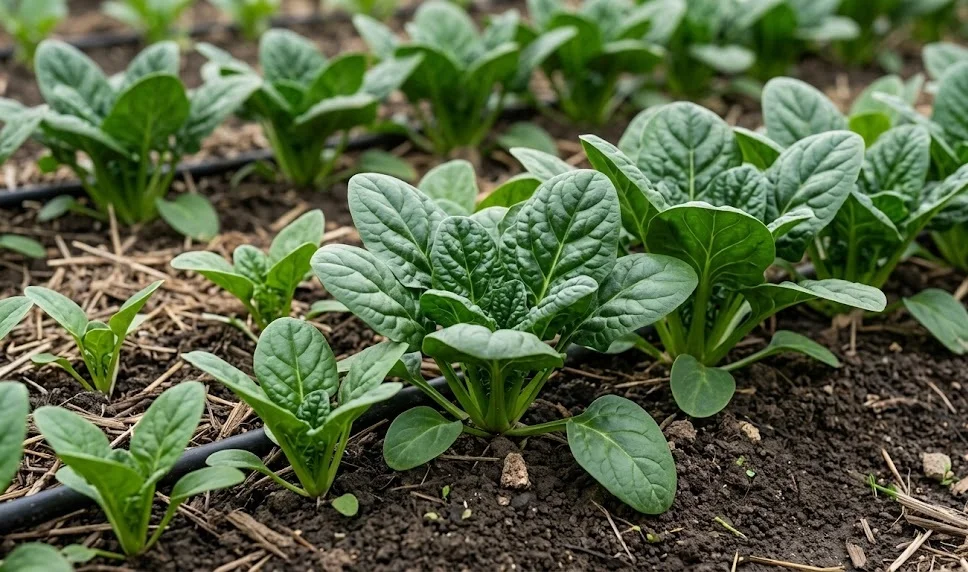

Managing the health and vitality of spinach requires a deep understanding of its physiological needs and environmental preferences. This leafy green thrives in cooler temperatures and demands consistent attention to soil moisture and nutrient availability to prevent premature bolting. By establishing a robust care routine, gardeners can ensure a continuous harvest of high-quality leaves throughout the growing season. Success lies in balancing the delicate requirements of this fast-growing cool-season crop within the specific constraints of your local climate.
Understanding environmental requirements
Spinach is inherently sensitive to temperature fluctuations and day length, which significantly influences its growth cycle. Ideal growth occurs when temperatures remain between fifteen and twenty degrees Celsius, providing the necessary conditions for leafy development. If the weather becomes too warm, the plant naturally shifts its energy toward seed production, a process known as bolting. Monitoring local weather patterns allows for better timing of planting and protective measures against unexpected heat waves.
Soil conditions play a pivotal role in the overall vigor of the plant during its development. This crop prefers well-draining soil that is rich in organic matter and maintains a slightly acidic to neutral pH level. Compaction should be avoided as it restricts root growth and limits the plant’s ability to access essential nutrients. Regular soil testing can provide insights into necessary amendments to create the perfect foundation for healthy spinach crops.
Air circulation is an often overlooked aspect of spinach care that contributes to disease prevention. Proper spacing between plants ensures that foliage can dry quickly after rain or irrigation, reducing the risk of fungal infections. In dense plantings, humidity can become trapped, creating a microclimate that favors pathogens like downy mildew. Choosing a site with gentle breeze exposure or utilizing wider row spacing can mitigate these common horticultural challenges.
Managing the transition between seasons is essential for maintaining a healthy spinach patch over several months. During the spring, focus should be on maximizing growth before the summer heat arrives, while autumn crops require protection from early frosts. Using row covers can help regulate temperatures and provide a more stable environment for the plants to mature. This proactive approach ensures that environmental stressors do not compromise the quality or quantity of the final harvest.
More articles on this topic
Soil management and nutrition
Maintaining high soil fertility is a cornerstone of professional spinach cultivation throughout the growing period. As a heavy feeder, spinach requires a steady supply of nitrogen to produce deep green, succulent leaves. Incorporating well-rotted compost or aged manure before planting provides a slow-release source of essential macronutrients. Regular observations of leaf color can indicate whether additional fertilization is necessary to support rapid vegetative growth.
Texture and structure of the growing medium should be light enough to allow for easy root penetration. Heavy clay soils can be improved with the addition of perlite or coarse sand to enhance drainage and aeration. Conversely, sandy soils may need more organic matter to increase water retention and prevent nutrient leaching. Achieving the right balance ensures that roots can expand freely while maintaining access to moisture and minerals.
Monitoring the pH levels of the soil is crucial because spinach is particularly sensitive to acidic conditions. A pH below six can lead to stunted growth and yellowing of the leaves due to nutrient unavailability. Lime can be applied to raise the pH, while sulfur can be used if the soil is too alkaline for optimal development. Consistent testing every few years helps maintain a stable environment that supports the biological processes of the plant.
Mulching provides a secondary layer of protection and nutrient management for the soil surface around the plants. Organic mulches such as straw or shredded leaves help suppress weeds that would otherwise compete for resources. Additionally, as these materials break down, they contribute to the long-term health and tilth of the garden bed. This practice also helps regulate soil temperature, keeping the root zone cooler during the warmer parts of the day.
More articles on this topic
Weed control strategies
Effective weed management is vital for spinach because the plants have relatively shallow root systems that are easily outcompeted. Early intervention is the most efficient way to handle unwanted vegetation before it establishes a strong foothold. Manual removal should be done carefully to avoid disturbing the delicate roots of the spinach plants. Maintaining a clean growing area reduces the likelihood of pests and diseases that often harbor in weeds.
Using specialized tools like a narrow hoe can make weed control between rows much more manageable and precise. It is best to cultivate the soil when it is slightly dry to prevent clumping and to ensure weeds die off quickly. Frequent, shallow cultivation is preferred over deep tilling, which can bring new weed seeds to the surface. Consistent effort in the early stages of growth will result in much lower maintenance requirements as the spinach matures.
Denser planting can sometimes act as a living mulch, shading the soil and preventing weed seeds from germinating. However, this must be balanced with the need for adequate air circulation to prevent disease outbreaks. If using this method, thinning becomes an essential part of the care routine to maintain plant health. Finding the “sweet spot” in spacing allows the spinach to dominate the space while still having room to breathe.
Mulching, as previously mentioned, serves as an excellent barrier against weed growth by blocking sunlight from reaching the soil surface. Wood chips or clean straw are effective options that also add aesthetic value to the garden beds. If weeds do poke through the mulch, they are usually easier to pull from the loose, protected soil. This layered approach creates a low-maintenance environment that favors the crop over opportunistic weeds.
Thinning and spacing techniques
Thinning is a necessary step in spinach care to provide each plant with enough space to reach its full potential. When seedlings reach about five centimeters in height, they should be thinned to a distance of ten to fifteen centimeters apart. This process prevents overcrowding, which can lead to leggy plants and reduced leaf quality. The discarded seedlings are often tender and delicious, making them a great addition to early spring salads.
Choosing the right spacing depends on whether the goal is to harvest baby leaves or mature bunches. For baby spinach, plants can remain closer together, as they will be harvested before they require significant space. If large, thick leaves are desired, wider spacing is mandatory to allow for extensive rosette development. Adjusting your technique based on the intended use of the crop ensures the best possible results.
Precision during the thinning process prevents accidental damage to the remaining plants in the row. It is often better to snip the unwanted seedlings at the soil line with scissors rather than pulling them out. Pulling can disturb the root systems of the plants you intend to keep, potentially causing transplant shock. This gentle approach maintains the integrity of the soil structure and the health of the primary crop.
Adequate spacing also facilitates easier monitoring for pests and diseases throughout the growing cycle. When plants are too close, it is difficult to see issues developing deep within the foliage until it is too late. Open spacing allows for better visibility and easier application of organic treatments if they become necessary. Furthermore, it simplifies the harvesting process, allowing you to select individual leaves without damaging the rest of the plant.
Seasonal maintenance routines
Spring care focuses on taking advantage of the lengthening days and increasing temperatures without letting the plants bolt. Providing light shade during unseasonably warm afternoons can extend the harvesting period by several weeks. Monitoring for the first signs of flower stalks is crucial, as this signals that the leaves will soon become bitter. Regular harvesting of older leaves can sometimes delay the bolting process by encouraging more vegetative growth.
Autumn maintenance involves preparing the spinach for cooling temperatures and shorter days. As growth slows down, the frequency of watering may need to be adjusted to prevent waterlogging in the colder soil. Protecting late-season crops with cold frames or floating row covers can provide a harvest well into the winter months. This second growing season is often more successful because the cooling weather naturally prevents bolting.
During the height of summer, most spinach varieties struggle, making this a period for soil preparation or cover cropping. If you choose to grow heat-tolerant varieties, intensive mulching and consistent irrigation are required to keep the soil cool. Some gardeners use tall companion plants like corn or pole beans to provide natural shade for the spinach below. However, in many climates, it is more practical to pause spinach production until the temperatures begin to drop.
Winter care for overwintering varieties focuses on protection from extreme temperature swings and heavy snow loads. Ensuring the soil is well-drained prevents the roots from rotting during periods of dormancy or slow growth. A thick layer of straw can provide the necessary insulation to keep the plants alive until the first warmth of spring. Once the ground thaws, removing the protection allows the plants to resume growth immediately, offering a very early harvest.
Tool selection for maintenance
Selecting the right tools can make the routine care of spinach much more efficient and enjoyable for the gardener. A high-quality hand trowel is indispensable for transplanting and adjusting soil amendments in small areas. For larger beds, a long-handled stirrup hoe allows for weeding without having to bend over constantly. Keeping these tools sharp and clean prevents the spread of soil-borne pathogens between different sections of the garden.
Watering equipment should be chosen based on the size of the plantation and the local water availability. Drip irrigation systems are highly recommended because they deliver water directly to the root zone without wetting the foliage. If hand-watering, a watering can with a fine rose attachment prevents soil erosion and damage to delicate young leaves. Consistency in application is more important than the specific tool used, though efficiency certainly helps.
Harvesting requires sharp garden snips or a dedicated harvest knife to ensure clean cuts on the stems. Ragged edges can become entry points for diseases and may cause the plant to wilt more quickly. Having a clean basket or bucket ready during the harvest helps keep the produce fresh and prevents bruising. Sterilizing cutting tools between uses is a professional habit that protects the health of the entire garden.
Monitoring tools such as soil moisture meters and thermometers provide data-driven insights into the garden’s environment. These devices remove the guesswork from determining when to water or when to apply protective covers. A simple garden journal is also a valuable tool for tracking planting dates, variety performance, and weather patterns. Over time, this information becomes a personalized guide for optimizing spinach care in your specific microclimate.
Harvesting techniques for quality
The timing of the harvest is the final step in care that determines the culinary quality of the spinach. Baby leaves can be harvested when they are only five to eight centimeters long for a very mild and tender flavor. For larger leaves, wait until the plant has formed a full rosette but before the central stem begins to elongate. Harvesting early in the morning, when the leaves are turgid with moisture, ensures the longest shelf life.
There are two primary methods for harvesting: taking individual leaves or cutting the entire plant. Removing only the outer leaves allows the inner core to continue growing, providing a continuous supply over several weeks. This “cut-and-come-again” method is ideal for home gardens and smaller production areas. If the entire plant is cut at once, it is usually done just above the soil line to keep the crown intact.
Proper handling after the harvest is essential to maintain the crispness and nutritional value of the leaves. Spinach should be washed in cool water to remove soil and any small insects that may be hiding in the crinkles. Drying the leaves thoroughly using a salad spinner or clean towels prevents premature decay during storage. Storing the clean, dry leaves in a refrigerated environment keeps them fresh for up to a week.
Observing the plant’s reaction to harvesting can guide future care and planting decisions. If the plants regrow slowly, it may indicate a need for a light application of liquid fertilizer to boost recovery. Conversely, if the leaves are consistently tough, the plants might be experiencing heat stress or insufficient water. Continually refining your harvest technique ensures that you get the most value out of the effort invested in growing the crop.