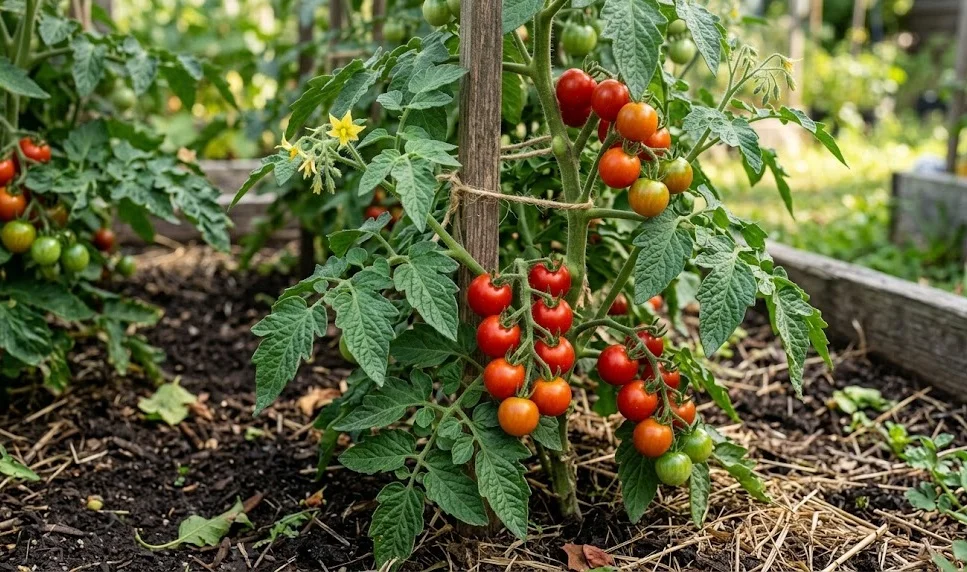

While most people treat tomatoes as annuals, they are actually perennial plants that can live for several years if they are protected from freezing temperatures. You must understand that keeping a tomato plant alive through the winter requires a significant shift in your care routine and the environment you provide for the vine. This process allows you to save your most productive or unique plants and gives you a massive head start on the following growing season compared to starting from seed. With the right techniques, you can enjoy fresh tomatoes even when the ground outside is covered in snow or frost.
The first step in a successful overwintering strategy is choosing the right plants to save from your summer garden before the first frost arrives. You should look for smaller, manageable plants or those that show exceptional health and resistance to the diseases that were present during the peak of the season. It is often easier to take cuttings from your favorite large vines and root them in small pots rather than trying to move a massive, established plant into your home or greenhouse. These smaller “mother plants” are much easier to manage indoors and will quickly grow into full-sized producers once they are returned to the garden in the spring.
Light and temperature are the two most critical factors you must control when bringing your tomatoes indoors for the colder months of the year. Tomatoes will stop growing if the temperature drops below ten degrees Celsius, so you must find a spot that remains consistently warm throughout the day and night. A south-facing windowsill or a dedicated grow room with LED lighting is essential because the winter sun is often too weak and short-lived to support healthy growth. You are not necessarily trying to produce a huge harvest in the winter, but rather keeping the plant in a healthy, “holding” state until the days begin to lengthen again.
Watering and humidity requirements also change dramatically when plants are moved from the humid outdoor air to the dry, heated environment of a typical home. You will find that the soil in small pots dries out quickly, but you must be careful not to overwater, as the plant’s metabolism is much slower during the winter months. Using a humidifier or a pebble tray can help maintain the moisture levels in the air, which prevents the leaves from becoming brittle and susceptible to spider mites. Monitoring these environmental variables daily is the hallmark of a professional who is serious about keeping their tropical plants alive through a cold northern winter.
Moving and transitioning your plants
If you decide to bring an entire established plant indoors, you must prepare it for the move by pruning it back significantly to reduce the stress on the root system. You should remove about half of the foliage and any existing fruit or flowers, as the plant will not have enough energy to support them during the transition to lower light. This pruning also makes the plant much more compact and easier to fit into a sunny corner of your house or a heated porch area. Be sure to check the root ball and the underside of the leaves for any hitchhiking pests before you bring the pot inside your clean living space.
More articles on this topic
The transition should happen gradually over several days to allow the plant to adjust to the lower light levels and different air movement of the indoors. You can start by bringing the pots inside only at night when the temperatures are lowest and then eventually moving them in permanently once the outdoor conditions become too harsh. This slow move prevents “leaf drop,” a common shock response where the plant sheds its existing foliage in an attempt to survive the sudden change in environment. A successful transition is a quiet process that requires you to watch the plant’s reaction to every step of the move.
Repotting your tomatoes into fresh, sterile potting soil is a professional recommendation to avoid bringing soil-borne pests like fungus gnats or slugs into your home. You should wash the roots gently to remove as much of the old garden soil as possible before placing the plant into its new winter container with plenty of drainage. This is also a good time to inspect the health of the roots and remove any that appear soft, brown, or damaged from the summer growing season. Fresh potting media provides a clean start and ensures that the plant has access to the light nutrients it needs to survive the winter dormancy.
Once the plants are settled indoors, you should place them away from cold drafts or heating vents, as sudden changes in temperature can be very stressful for a tropical vine. A consistent temperature between eighteen and twenty-one degrees Celsius is ideal for maintaining the health of the foliage without encouraging excessive, weak growth. You might find that the plants look a bit “sad” for the first week, but with consistent care and adequate light, they will soon begin to push out new green shoots. This period of adjustment is a vital part of the overwintering cycle and sets the stage for a successful spring revival.
Winter care routines and maintenance
During the middle of the winter, your main goal is to keep the plant alive and healthy while minimizing the amount of tall, “leggy” growth it produces. You should avoid heavy fertilization during this time, as the plant does not have enough light to use the nutrients effectively, which can lead to salt buildup in the pots. If you see signs of new growth, you can provide a very diluted liquid fertilizer once a month just to keep the nutrient levels from bottoming out completely. This minimalist approach mimics the natural slow cycle of the plant during the shorter days of the year.
More articles on this topic
Regular pruning is still necessary even in the winter to keep the plant’s shape manageable and to remove any leaves that become yellow or dry over time. You should pinch off any flower buds that appear during the darkest months, as you want the plant to save its energy for maintaining its root system and core structure. This might feel counterintuitive to a gardener who wants fresh fruit, but it is the best professional strategy for ensuring a powerful plant for the next year. Keeping the plant compact also makes it easier to inspect for pests that might have survived the initial move indoors.
Pest management remains a concern even in the winter, as spider mites and aphids thrive in the dry, warm air of a heated home environment. You should wipe the leaves down with a damp cloth once a week to remove dust and any early signs of insect activity before they become a problem. If you do notice pests, an organic neem oil spray or insecticidal soap can be used safely indoors to keep the populations under control. Being proactive with your hygiene prevents a small indoor garden from becoming a source of frustration during the cold months of the year.
As the days begin to get longer in late February or March, you will notice the plant’s growth rate naturally start to accelerate in response to the increasing light. This is the time to slowly increase your watering frequency and perhaps provide a slightly stronger dose of balanced fertilizer to support the new shoots. You can also begin to “shape” the plant for its eventual return to the garden by encouraging strong, healthy branches that will be able to support fruit later on. This gradual awakening of the plant is one of the most exciting parts of the overwintering process for any professional grower.
Spring revival and outdoor return
The process of moving your overwintered tomatoes back outside in the spring is very similar to the hardening-off process you would use for new seedlings. You must be even more careful, as the large leaves of a mature plant can be very sensitive to the sudden intensity of the direct spring sun. Start by placing the pots in a shaded area for a few hours each day, gradually increasing their exposure over the course of ten to fourteen days. This careful transition ensures that you don’t lose all the hard-earned growth you protected through the long winter months.
Before the plants go back into the ground, you should give them a final, heavy pruning to remove any weak winter growth and encourage a fresh flush of spring foliage. This “reset” allows the plant to focus its energy on building a new, sun-adapted canopy that will be much more productive and resilient in the outdoor environment. You might also want to refresh the soil in the garden bed with plenty of compost and organic matter to provide a rich welcome for the returning vines. This professional preparation ensures that your overwintered plants have everything they need to start the new season with vigor.
One of the greatest benefits of overwintering is that these plants will often begin producing fruit weeks before any of your neighbors’ spring-planted seedlings even have flowers. Because the root system is already well-established and the plant is developmentally mature, it can jump straight into the production phase as soon as the weather warms up. You will find that these “second-year” plants are often incredibly productive, sometimes even outperforming their first-year results if the conditions are favorable. This early harvest is the ultimate reward for the time and effort you invested in their winter care.
Overwintering also allows you to become a true steward of specific plant genetics, especially if you are growing rare heritage varieties that are difficult to find. By keeping the same individuals alive year after year, you gain a deep understanding of their unique needs and how they respond to your specific gardening style and microclimate. This professional level of connection with your plants is what makes agriculture such a fulfilling and lifelong pursuit for those who love the earth. The cycle of overwintering and revival is a powerful reminder of the resilience of nature and the rewards of dedicated stewardship.