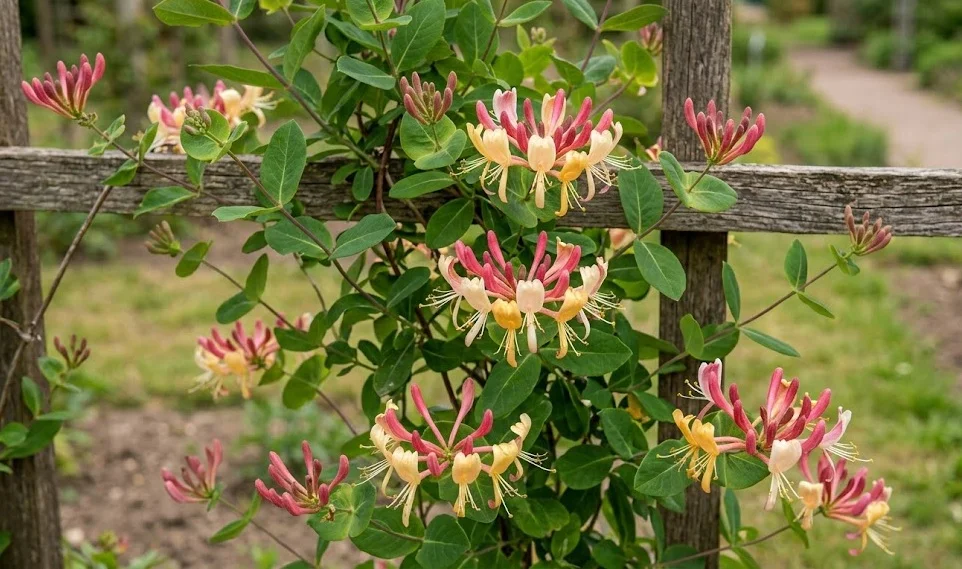

Protecting your climbing vine from diseases and pests is essential for maintaining its ornamental beauty and structural vigor. While this species is relatively hardy, it can fall victim to specific pathogens and insect infestations under unfavorable conditions. Cultivators must stay vigilant and inspect the plant regularly to identify potential problems before they spread widely. Implementing a proactive pest management strategy keeps the foliage clean and ensures an abundance of healthy flowers.
Fungal diseases represent the most common health challenge for this climbing woody vine, especially during humid summer months. These pathogens thrive in stagnant air and wet conditions where spores can easily germinate on leaf surfaces. Early identification of fungal symptoms allows for targeted treatments that minimize structural damage to the plant. Maintaining proper plant hygiene and spacing is your first line of defense against these microscopic threats.
Insect pests can also cause significant physical damage to the tender green shoots, leaves, and developing flower buds. Some pests sap the plant’s vital fluids, causing leaves to curl, yellow, and drop prematurely. Others physically consume the foliage, leaving unsightly holes and reducing the vine’s ability to perform photosynthesis efficiently. Understanding the life cycles of these common garden pests helps you intervene at the most effective moment.
Integrated pest management combines cultural, biological, and chemical controls to achieve long-term health with minimal environmental impact. Choosing resistant varieties and maintaining optimal growing conditions reduces the plant’s overall susceptibility to stress. When problems do arise, organic and mechanical solutions should always be considered before resorting to harsh chemical sprays. This professional approach protects beneficial insects while effectively managing potential threats to your climbing vine.
Fungal infections and symptoms
Fungal infections often manifest as distinct spots, discolorations, or powdery coatings on the upper and lower leaf surfaces. Leaf spot diseases cause small, dark brown or black lesions that gradually expand and merge over time. As the infection progresses, the surrounding leaf tissue turns yellow and the affected foliage drops off prematurely. Defoliation weakens the vine by reducing its capacity to generate energy through natural sunlight absorption.
More articles on this topic
Canker diseases can affect the woody stems, causing sunken, discolored areas that disrupt the flow of water and nutrients. These lesions often develop around mechanical wounds caused by improper pruning or physical damage from strong winds. If left unchecked, a canker can completely girdle a stem, causing everything above the wound to wither and die. Promptly removing infected wood prevents the fungal mycelium from migrating deeper into the main skeletal branches.
Root rot is a hidden fungal threat that develops entirely underground in poorly drained or waterlogged soil conditions. Affected plants display sudden wilting, generalized yellowing, and an overall lack of vigor despite adequate soil moisture. The subterranean roots become mushy, dark brown, and lose their ability to absorb water and essential minerals. Improving soil drainage and reducing watering frequency are critical steps to save a vine from this fatal condition.
Rust is another specific fungal issue that produces small, orange or yellow powdery pustules on the undersides of leaves. The upper surface of the leaf often displays corresponding pale spots that gradually turn brown as tissue dies. Rust infections typically spread rapidly during cool, wet spring weather when moisture remains on the foliage for extended periods. Collecting and destroying infected fallen leaves in autumn breaks the disease cycle and protects next year’s growth.
Dealing with powdery mildew
Powdery mildew is arguably the most widespread and visually obvious fungal disease affecting this particular climbing species. It appears as a distinctive white or gray powdery coating that covers leaves, young stems, and flower buds. The infection thrives in warm, dry daytime conditions coupled with high relative humidity during the overnight hours. Heavily infected leaves become distorted, curl upward, and eventually dry out before falling to the ground.
More articles on this topic
To combat powdery mildew effectively, you must focus on improving air circulation throughout the entire canopy of the vine. Selective pruning thins out dense internal branches, allowing wind to move freely and dry out microclimatic humidity. Position the plant in a location that receives ample morning sunlight to evaporate nighttime dew quickly. These simple cultural adjustments create an environment that is highly hostile to fungal spore germination.
Organic treatments such as neem oil or potassium bicarbonate sprays offer excellent control when applied at the first sign of symptoms. These natural compounds disrupt the fungal cell walls and prevent the white coating from expanding across healthy tissue. You should apply these sprays thoroughly, ensuring complete coverage of both the upper and lower leaf surfaces. Repeating the treatment every ten to fourteen days during humid periods maintains a protective barrier.
A simple homemade solution made from diluted milk can also serve as an effective preventative spray against mildew. Combine one part milk with nine parts water and spray the foliage during bright, sunny days for best results. The proteins in the milk interact with sunlight to create a natural antiseptic environment on the leaf surface. This cost-effective and environmentally friendly method keeps your climbing vine looking clean and pristine all summer long.
Controlling aphid infestations effectively
Aphids are small, soft-bodied insects that frequently target the tender new growth and developing flower buds of the vine. These pests multiply at an astonishing rate, forming dense colonies that suck vital sap from the plant’s vascular system. Their feeding activity causes severe distortion, leaves curling inward, and the stunting of newly emerging shoots. Identifying these pests early prevents them from ruining the highly anticipated summer flower display.
As aphids feed, they excrete a sticky, sugary substance known as honeydew that coats the underlying foliage. This sticky residue attracts ants, which physically protect the aphids from natural predators to secure their food source. Honeydew also serves as the perfect substrate for the growth of unsightly black sooty mold fungi. This mold does not infect the plant directly but blocks sunlight, further reducing photosynthetic efficiency.
A strong stream of water from a standard garden hose is often enough to dislodge small aphid populations mechanically. Knocking them off the stems breaks their feeding connection and exposes them to ground-dwelling predators like beetles. You should repeat this washing process every few days until the pest population is completely brought under control. This mechanical method is completely safe for the environment and preserves beneficial insects.
Introducing natural biological predators like ladybugs and lacewings provides an excellent long-term solution for aphid management. These beneficial insects consume vast quantities of aphids during both their larval and adult life stages. Avoiding broad-spectrum chemical insecticides allows these natural garden helpers to establish stable populations within your landscape. Creating a diverse garden habitat ensures that nature helps you keep pest populations in check automatically.
Managing other insect threats
Scale insects can occasionally colonize the woody stems and older branches of mature climbing vines. These pests appear as small, immobile bumps that resemble tiny shields or scales attached firmly to the bark. They feed by piercing the plant tissue and draining sap, weakening the structural branch over extended periods. Scraping them off manually with a soft brush is an effective way to handle localized infestations.
Spider mites are microscopic pests that thrive in hot, dry conditions and cause significant damage before being noticed. They feed on individual plant cells, leaving a fine, pale stippling pattern across the surfaces of the leaves. In severe cases, you will notice delicate webbing spun across the leaf axils and tips of the shoots. Increasing ambient humidity around the plant by misting the foliage can discourage these dry-loving pests effectively.
Caterpillars of various moth species may occasionally feed on the lush foliage, chewing irregular holes along the leaf margins. Most native caterpillar species cause negligible damage that does not threaten the overall health of an established vine. Hand-picking the individuals and relocating them is generally sufficient to protect the visual appearance of your plant. Preserving a reasonable balance allows you to support local biodiversity without sacrificing the beauty of your garden.
Thrips are another potential insect issue that targets the delicate interior structures of the expanding flower buds. Their feeding causes the edges of the blossoms to turn brown and paper-dry before they can fully open. Hanging blue or yellow sticky traps near the vine can help monitor and capture these tiny flying pests. Maintaining optimal plant health through proper watering ensures the vine can withstand minor pest pressures without dropping buds.
Preventive practices for safety
Preventative maintenance is always superior to treating an active disease infection or severe pest infestation after it takes hold. Start by sourcing high-quality, certified disease-free plants from reputable horticultural nurseries and suppliers. Space multiple plants far enough apart to allow for future growth and optimal air movement between mature canopies. Proper spacing minimizes the physical contact that allows pathogens to jump easily from one vine to another.
Sanitation plays a monumental role in keeping your garden free from overwintering pest populations and fungal spores. Always sterilize your pruning tools with rubbing alcohol or a dilute bleach solution between cutting different plants. Collect and compost or destroy all fallen leaves and plant debris at the end of every growing season. This simple autumn clean-up routine drastically reduces the primary source of infection for the following spring.
Maintaining optimal plant vigor through proper watering and balanced nutrition naturally boosts the vine’s internal defense systems. Healthy plants produce natural chemical compounds that deter insect feeding and inhibit fungal growth within their tissues. Avoid over-fertilizing with nitrogen, which creates weak cellular walls that pests can easily penetrate. A well-managed vine possesses the natural resilience required to overcome minor environmental and biological challenges.
Regular monitoring allows you to intervene early with gentle methods before a problem requires drastic chemical measures. Take a slow walk through your garden a few times a week specifically to inspect the climbing vines closely. Look for subtle changes in leaf texture, unusual insect activity, or early signs of fungal discoloration. Your proactive care and attention ensure a healthy, long-lived specimen that continues to beautify your outdoor space.