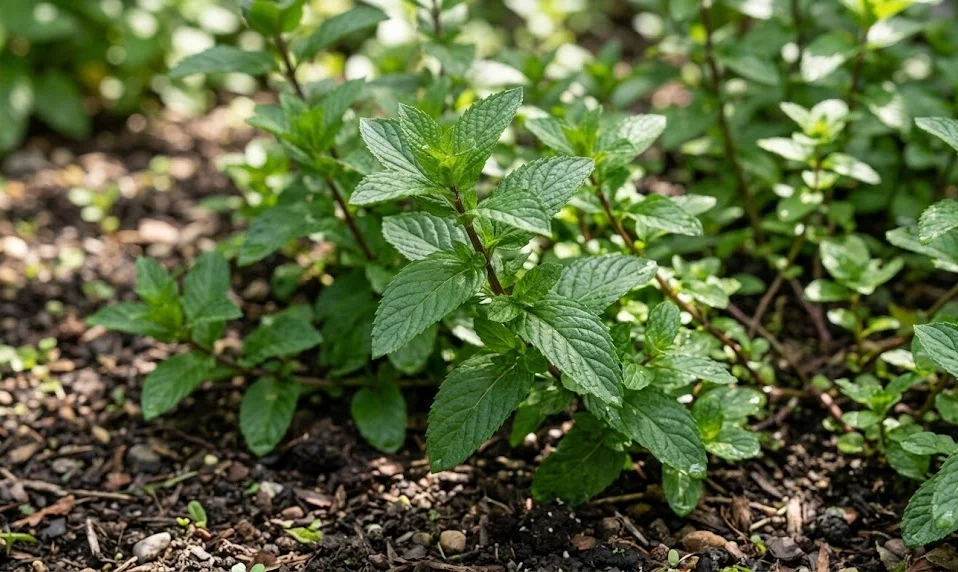

Maintaining a healthy herb patch requires constant vigilance against a variety of pathogenic organisms that can compromise leaf quality and yield. Fungal infections represent the most prevalent and destructive disease threat to this moisture-loving species in both domestic and commercial settings. Among these fungal threats, mint rust is notoriously difficult to eradicate once it establishes a foothold within the dense vegetative canopy. Understanding the life cycle and symptoms of this disease is essential for protecting your valuable crop from devastation.
Identifying and managing fungal rust infections
Mint rust is caused by a specific fungal pathogen that manifests as small, dusty, orange-and-brown pustules on the undersides of leaves. As the infection spreads, the tops of the affected leaves develop pale yellow spots, and the entire leaf eventually drops prematurely. This defoliation severely weakens the plant by reducing its ability to photosynthesize and generate energy for winter survival. The fungal spores are easily spread from plant to plant by wind currents, splashing rain, or contaminated gardening tools.
Preventing rust outbreaks requires a proactive combination of cultural practices designed to minimize moisture accumulation on the foliage. Widely spacing individual plants ensures that air moves freely through the canopy, allowing leaves to dry quickly after rain. Avoid overhead irrigation entirely, opting instead for ground-level drip systems that deliver moisture directly to the soil. Regularly removing and destroying infected leaves at the very first sign of pustules can effectively halt the spread of the pathogen.
In severe cases where cultural controls fail, more drastic interventions may be necessary to save the remainder of the herb patch. Cutting the entire infected crop down to ground level and removing all plant debris from the area can eliminate the primary spore source. Applying an approved organic fungicide, such as copper-based sprays or sulfur dust, can help protect remaining healthy tissues from infection. Always sanitize your pruning shears with rubbing alcohol between cuts to prevent inadvertently spreading the fungus to clean plants.
Controlling powdery mildew and leaf spot diseases
Powdery mildew is another ubiquitous fungal disease that frequently afflicts dense herb gardens during periods of warm days and cool, humid nights. This pathogen is easily recognized by the appearance of a powdery, white-to-gray coating across the upper surfaces of the leaves. While it rarely kills the plant outright, it seriously degrades the aesthetic quality and culinary value of the aromatic foliage. Left unchecked, it can coat entire stems, causing the leaves to distort, wither, and die prematurely.
More articles on this topic
Managing powdery mildew involves altering the immediate microclimate to make it less hospitable to fungal spore germination and growth. Ensuring the plants receive adequate sunlight is crucial, as ultraviolet rays naturally inhibit the development of this specific fungus. Pruning away dense inner branches improves internal air circulation and reduces localized humidity levels within the plant canopy. Regularly top-dressing the soil with organic mulch prevents spores overwintering in the soil from splashing up onto lower leaves.
Organic remedies like baking soda sprays or diluted milk solutions have proven highly effective at controlling mild to moderate mildew outbreaks. A solution made by mixing one tablespoon of baking soda with a few drops of liquid soap in a gallon of water alters leaf surface pH, halting fungal growth. Neem oil is another excellent organic option that provides both antifungal properties and a protective barrier against future spore landing. Consistency is key when using organic sprays, requiring reapplication after heavy rains to maintain efficacy.
Fungal leaf spots, characterized by distinct dark brown or black concentric circles on the foliage, also thrive in wet conditions. These spots gradually expand until they merge, killing large sections of the leaf blade and causing widespread defoliation. Treatment strategies for leaf spots align closely with those used for powdery mildew, focusing primarily on moisture reduction and sanitation. Promptly removing affected lower leaves prevents the fungal spores from migrating upward into the fresh, harvestable growth.
Combating invasive aphid and spider mite infestations
Insect pests pose a different but equally significant challenge to the health and vitality of your intensive herb cultivation. Sucking insects are particularly problematic because they drain the plant of vital sap while potentially transmitting dangerous viral diseases between specimens. Aphids and spider mites are the two most common culprits that gardeners must routinely contend with during the warm summer months. Early detection through regular inspections of the undersides of leaves is paramount for successful pest management.
More articles on this topic
Aphids are tiny, soft-bodied insects that cluster in large groups on tender new shoots and the undersides of mature foliage. They pierce the plant tissue to suck out nutrient-rich sap, causing leaves to curl, distort, and become stunted. As they feed, aphids excrete a sticky, sweet substance known as honeydew, which attracts ants and promotes the growth of black sooty mold. A strong blast of water from a garden hose is often sufficient to dislodge small aphid populations from the stems.
Spider mites are microscopic arachnids that thrive in hot, dry conditions, making them a major threat during late summer droughts. Their presence is usually detected by the fine, silty webbing they weave across leaf surfaces and between individual stems. Affected leaves develop a speckled, yellow appearance as the mites drain individual plant cells of their contents. Introducing beneficial predatory insects, such as ladybugs or lacewings, provides a highly effective and natural biological control method against both mites and aphids.
Insecticidal soaps and horticultural oils offer a safe, organic chemical intervention for managing severe, out-of-control pest infestations. These products work by suffocating the soft-bodied insects upon direct contact without leaving harmful chemical residues on your harvest. It is vital to apply these sprays thoroughly, ensuring complete coverage of both the tops and bottoms of all leaves. Avoid spraying during the heat of the day to prevent the oil from magnifying sunlight and scorching the foliage.
Defending against subterranean root-knot nematodes
Subterranean pests present a unique diagnostic challenge because their destructive activities occur entirely out of sight beneath the soil surface. Root-knot nematodes are microscopic roundworms that inhabit the soil and parasitize the root systems of numerous garden plants, including herbs. An infestation of these hidden pests disrupts the plant’s ability to absorb water and nutrients, leading to mysterious decline. Understanding how to identify and manage these microscopic threats is crucial for maintaining long-term soil productivity.
Aboveground symptoms of a nematode infestation include general stunting, unexplained yellowing, and persistent wilting even when the soil is properly hydrated. If you carefully dig up an affected plant, you will observe characteristic galls or knots swelling along the roots. These deformities restrict the flow of water and nutrients through the vascular system, effectively starving the plant from the bottom up. Nematodes are easily spread through the movement of contaminated soil, water, or infected root divisions.
Managing root-knot nematodes requires an integrated approach that focuses on building up beneficial soil biology and practicing strict sanitation. Incorporating large amounts of rich organic compost introduces beneficial fungi and predatory nematodes that naturally hunt and destroy the pest species. Planting cover crops like French marigolds in infected areas can significantly reduce nematode populations due to natural nematicidal compounds in their roots. Solarizing the soil with clear plastic sheeting during the hottest summer months can also eliminate nematodes in the top layers.
Chemical nematicides are generally not recommended for home gardens or small-scale herb production due to their high toxicity and non-specific action. If a specific patch becomes severely infested, it is often best to remove the affected plants entirely and destroy them. Avoid planting susceptible species in that specific location for several years to starve out the remaining nematode population. Choosing certified pest-free starter plants and clean growing mediums is the best preventive strategy against introducing these underground enemies.
Implementing integrated pest management strategies
Integrated Pest Management, or IPM, is a holistic and sustainable philosophy that combines multiple control tactics to manage pest populations effectively. This approach prioritizes prevention and biological controls over immediate chemical intervention, aiming to minimize environmental impact while protecting crops. By establishing an IPM framework, gardeners can maintain healthy herb patches without disrupting the surrounding ecosystem’s natural balance. It requires regular monitoring, accurate pest identification, and an understanding of economic injury thresholds before taking action.
The first line of defense in any successful IPM program is cultivating strong, vigorously growing plants through optimal cultural care. Healthy herbs possess natural chemical and physical defense mechanisms that allow them to resist or tolerate minor pest pressure without human help. Proper watering, balanced fertilization, and adequate sunlight exposure are the foundation of this natural resistance. A stressed plant emits chemical signals that actually attract pests, making proper care your most powerful preventative tool.
Encouraging biological diversity within your garden layout is the second critical component of an effective integrated management strategy. Planting a wide variety of flowering herbs and companion species attracts native predators like hoverflies, assassin bugs, and predatory wasps. These beneficial insects act as a natural security force, keeping pest populations low enough to prevent significant economic or aesthetic damage. Avoiding broad-spectrum chemical pesticides is vital for preserving these helpful predator populations within your garden ecosystem.
When intervention becomes necessary, always start with the least toxic methods available, such as mechanical removal or organic soaps. Hand-picking larger pests like caterpillars or using physical barriers can resolve minor issues without ecological disruption. Monitor the results of your interventions carefully to determine their long-term effectiveness and refine your strategies for future seasons. By adopting an integrated approach, you ensure a safe, sustainable harvest and a resilient, thriving garden environment year after year.