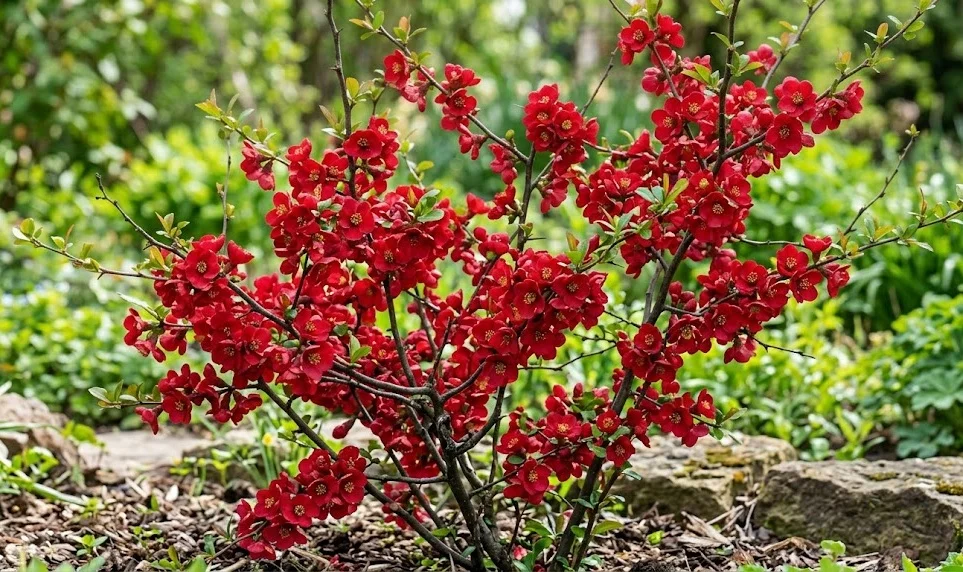

Managing the hydration and nutritional needs of the crimson flowering quince is essential for maintaining its vigor and maximizing its ornamental value. While this shrub is notably resilient once established, its performance is directly tied to the consistency of the water and minerals it receives. Proper watering and fertilization ensure that the plant has the structural strength to resist pests and the energy reserves to produce its signature blossoms. Understanding the specific timing and methods for these tasks will help you cultivate a specimen that truly stands out in any garden setting.
Establishing a watering schedule requires a keen observation of the local weather and the specific soil conditions of your site. During the first few years of life, the crimson flowering quince needs more frequent attention because its root system is still confined to a small area. You should aim to keep the soil consistently moist to a depth of several inches, rather than just wetting the surface. As the plant matures, it develops a deep, wandering root system that allows it to tolerate longer periods of dry weather without showing significant signs of distress.
Watering techniques are just as important as the frequency with which you apply moisture to the garden. It is always better to water deeply and less often than to provide shallow, daily sprinkles that encourage roots to stay near the surface. Applying water directly to the base of the plant using a soaker hose or a slow drip system is the most efficient method. This approach minimizes water loss through evaporation and keeps the foliage dry, which is a major factor in preventing fungal diseases like leaf spot.
The seasons play a major role in how much water the shrub actually requires at any given time of the year. In the spring, when the plant is actively blooming and pushing out new leaves, its demand for moisture is at its highest. During the heat of the summer, you may need to increase watering if you notice the soil drying out more quickly than usual. In the autumn, you should gradually reduce the amount of water to help the plant prepare for dormancy, but never allow the soil to go completely bone dry before the ground freezes.
Principles of effective fertilization
Fertilizing the crimson flowering quince is about supplementing the natural soil nutrients to support healthy growth and prolific flowering. You should start with a basic understanding of what the plant needs: nitrogen for leafy growth, phosphorus for flowers and roots, and potassium for overall health. A balanced, all-purpose garden fertilizer is usually sufficient for most home gardens, provided the soil is not extremely deficient. However, professional growers often look for specific formulations that are designed for flowering shrubs to get the best possible results.
More articles on this topic
The best time to apply fertilizer is in the early spring, just as the new growth begins to emerge from the dormant buds. This gives the plant a nutritional boost exactly when it needs it most to support the upcoming bloom cycle. You should avoid fertilizing late in the summer or in the autumn, as this can stimulate new, tender growth that will be easily damaged by the first frosts of winter. One thorough application in the spring is usually all that is required for a healthy, established shrub to perform its best.
When applying granular fertilizer, always spread it evenly around the “drip line” of the shrub, which is the area directly beneath the outermost branches. Avoid placing fertilizer directly against the main trunk, as the concentrated salts can cause chemical burns to the bark and the shallow roots. After spreading the granules, you must water the area thoroughly to help dissolve the nutrients and carry them down into the root zone. This ensures that the fertilizer is immediately available to the plant rather than sitting uselessly on the surface.
Organic alternatives like compost or well-rotted manure are excellent choices for long-term soil health and plant nutrition. These materials break down slowly over time, providing a steady stream of nutrients while also improving the soil structure and its ability to hold water. Many gardeners prefer to apply a thick layer of compost every spring as a “mulch and feed” combination that serves multiple purposes at once. This natural approach encourages a healthy soil ecosystem of earthworms and beneficial bacteria that support the shrub’s overall vitality.
Recognizing and correcting moisture stress
Moisture stress can manifest in several ways, and being able to read these signs early can save the plant from permanent damage. The most common sign of underwatering is wilting, where the leaves lose their turgidity and begin to hang limp on the stems. If left unaddressed, the edges of the leaves may turn brown and crispy, a condition often referred to as leaf scorch. If you see these symptoms, you should provide a deep, slow soaking immediately to help the plant recover its internal water balance.
More articles on this topic
Overwatering is equally dangerous and can be harder to diagnose because its symptoms sometimes mimic those of drought. When the soil is constantly saturated, the roots cannot breathe, leading to root rot and a general decline in the plant’s health. You might notice the leaves turning yellow and falling off prematurely, or the new growth appearing stunted and pale. If you suspect overwatering, check the soil drainage and reduce the frequency of your watering until the top few inches of soil have had a chance to dry out.
The type of soil you have will greatly influence how often you need to water to maintain the right moisture balance. Sandy soils drain very quickly and will require more frequent watering compared to heavy clay soils that hold onto moisture for a long time. You can use a simple finger test to check the moisture level: if the soil feels dry two inches below the surface, it is time to water. For a more professional approach, a simple moisture meter can provide accurate readings and take the guesswork out of your irrigation routine.
Environmental factors like wind and humidity also affect the plant’s water needs on a day-to-day basis. Hot, windy days will pull moisture out of the leaves much faster than cool, calm days, requiring you to be more vigilant with the hose. Mulching is your best defense against these fluctuations, as it acts like an insulating blanket for the soil. A good layer of wood chips or shredded leaves can reduce the need for supplemental watering by up to fifty percent by trapping moisture in the ground.
Advanced nutritional strategies for better blooms
If you want to take your crimson flowering quince to the next level, you can employ more specific nutritional strategies tailored to its life stages. For young, growing plants, a slightly higher nitrogen content can help them build the framework of branches they will need for the future. For mature shrubs that you want to encourage to bloom more heavily, a fertilizer with a higher middle number (phosphorus) can be beneficial. Always follow the manufacturer’s instructions regarding application rates, as more is not always better when it comes to chemical fertilizers.
Micronutrient deficiencies are rare but can occur in certain soil types, particularly those that are very alkaline. Iron chlorosis is the most common issue, characterized by yellow leaves with green veins, and it can significantly weaken the plant over time. You can treat this by applying a liquid iron chelate as a foliar spray for quick results, or by working elemental sulfur into the soil to lower the pH long-term. Keeping the soil slightly on the acidic side ensures that all the necessary minerals remain chemically available for the roots to absorb.
Liquid fertilizers are a useful tool for providing a quick pick-me-up during the growing season if the plant looks like it is struggling. These are absorbed much faster than granular types and can be applied either to the soil or directly to the leaves. However, because they are so fast-acting, their effects don’t last as long, and they can be easily washed away by heavy rain. Use liquid feeds as a supplement rather than a replacement for a solid, slow-release fertilization program to ensure consistent growth.
Understanding the relationship between watering and fertilizing is key to a holistic care approach for the crimson flowering quince. Fertilizer is only effective if there is enough water to carry it into the plant, and conversely, lots of water can wash away nutrients if the soil structure is poor. By balancing these two elements, you create a stable environment where the shrub can reach its full genetic potential. Consistency is far more important than intensity, so aim for a steady, moderate approach to both hydration and nutrition.
Maintaining health through the changing seasons
As the summer fades into autumn, the nutritional needs of the shrub change as it begins to wind down for the winter. You should stop all fertilization by mid-summer to prevent the plant from producing new growth that won’t have time to mature. However, you should continue to monitor the water levels, especially if you have a particularly dry autumn. Ensuring the plant is well-hydrated before the first hard freeze helps protect the root system from the drying effects of cold winter winds.
Winter is a time of rest for the crimson flowering quince, but the roots are still alive and functioning at a much slower rate. In regions with very little snow or rain during the winter, you might actually need to water the shrub once a month during a warm spell. Dry winter soil can be just as damaging as summer drought because frozen ground prevents the plant from taking up any moisture at all. A well-hydrated plant is much more likely to survive extreme cold and emerge in the spring ready to bloom with full force.
Spring brings a flurry of activity as the sap begins to rise and the flower buds start to swell. This is the moment to restart your watering and fertilization cycle, providing the fuel for the most spectacular part of the plant’s year. Check the mulch layer and replenish it if it has thinned out over the winter to ensure the new growth is well-protected. Starting the season with a healthy dose of nutrients and consistent moisture sets a positive tone for the rest of the growing year.
Ultimately, the goal of watering and fertilizing is to support the natural beauty and resilience of the crimson flowering quince. When you provide the right amount of care, the plant rewards you with a stunning display that requires very little intervention on your part. It becomes a reliable part of the landscape that anchors the garden through every season. By paying attention to the small details of its needs, you ensure that this crimson-flowered treasure remains a highlight of your outdoor space for many years to come.