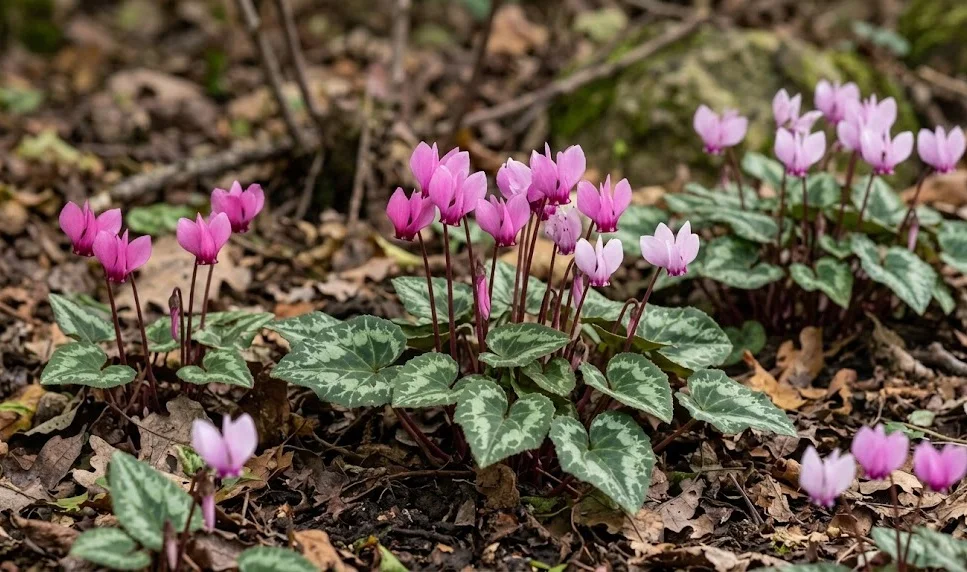

Maintaining a vigilant eye for potential health issues is key to protecting these long-lived woodland perennials from sudden decline. While they are generally robust and trouble-free when grown in the correct environment, specific pathogens and pests can occasionally cause serious damage. Early identification of symptoms allows for swift, targeted interventions that preserve the integrity of the colony. Implementing a comprehensive protection strategy combines careful cultural practices with safe, effective treatments when necessary.
Fungal pathogens represent the most significant disease threat to these plants, particularly during cool, wet autumn weather. Grey mold, caused by the fungus Botrytis cinerea, often targets the damp bases of flower stems and dense foliage clusters. It appears as a fuzzy, greyish-brown growth that quickly rots the delicate plant tissues and causes them to collapse. Preventing this disease requires careful spacing to ensure excellent air circulation around every individual plant.
Tuber rot, induced by various soil-borne fungi like Phytophthora, is another devastating condition that can destroy established plants silently from below. This disease thrives in waterlogged, heavy soils where oxygen levels are dangerously low and moisture is constant. The first visible symptom above ground is often a sudden, unexplained wilting of the leaves despite damp soil conditions. Unfortunately, by the time these foliage symptoms appear, the underground tuber is often completely ruined.
Bacterial soft rot can also attack the tubers, usually entering through physical wounds caused by careless gardening tools or pests. This infection turns the internal structure of the tuber into a foul-smelling, mushy liquid within a matter of weeks. Regular inspection of the planting bed helps catch infected individuals before the disease spreads to neighboring healthy plants. Disinfecting all gardening tools with rubbing alcohol between tasks is an excellent way to prevent cross-contamination.
Insect threats to watch for
Vine weevil larvae represent the single most destructive insect pest that targets these specific woodland perennials. The adult beetles chew characteristic notches out of the leaf edges during the night, causing minor cosmetic damage. However, their underground larvae are far more dangerous, feeding greedily on the roots and tunneling directly into the tubers. A severe infestation can completely detach the tuber from its root system, causing the entire plant to die.
More articles on this topic
Cyclamen mites are microscopic pests that can cause severe distortion of the emerging flowers and young foliage. Because they are invisible to the naked eye, their presence is deduced from the specific damage patterns they leave behind. Infected leaves become wrinkled, stunted, and unusually brittle, while flower buds may look twisted or fail to open entirely. These mites thrive in humid, stagnant conditions and spread quickly through direct contact between adjacent plants.
Aphids occasionally target the tender new growth and flower stems during the spring or autumn months. These small, sap-sucking insects weaken the plant by draining its vital fluids and causing the leaves to curl inward. Furthermore, aphids excrete a sticky, sweet substance known as honeydew, which coats the foliage and attracts black sooty mold. While a small number of aphids is rarely fatal, large colonies can significantly reduce the overall vigor of the plant.
Slugs and snails are perennial garden pests that find the succulent flowers and young leaves of this species highly appealing. They are particularly active during damp autumn nights, leaving behind unsightly holes and shiny slime trails across the foliage. A single large slug can destroy multiple flower buds in a single evening, ruining the visual display completely. Keeping the surrounding area free of long grass and debris reduces the available hiding spots for these nocturnal intruders.
Cultural methods for prevention
The most effective way to manage pests and diseases is to prevent them from establishing a foothold in the first place. Selecting a planting site with impeccable drainage is the absolute best defense against all forms of fungal tuber rot. Avoid crowding the plants together; instead, provide adequate spacing that allows the wind to dry the foliage quickly after rainfall. Good air circulation creates an inhospitable environment for fungal spores, preventing them from germinating on the leaves.
More articles on this topic
Practicing strict garden hygiene significantly reduces the overwintering population of harmful pests and disease pathogens. Remove all dead leaves, spent flowers, and collapsed stems from the garden bed on a regular basis. This organic debris often harbors fungal spores and insect eggs that can reinfect the new growth in the following season. Disposing of this material safely away from the garden prevents the reintroduction of problems into the clean soil.
Crop rotation and careful soil management play a vital role in maintaining long-term health within the garden ecosystem. If an area has previously suffered from a severe outbreak of vine weevils or rot, avoid planting cyclamen there for several years. Amending the soil with rich, active compost introduces beneficial microbes that compete naturally with harmful pathogens. A biologically diverse soil environment naturally suppresses many common diseases before they can damage your plants.
Regular monitoring during the key growth phases allows you to detect the very first signs of trouble early on. Check the undersides of the leaves and the base of the stems at least once a week during autumn. Catching a localized aphid colony or a single rotten stem allows for immediate, minor corrections before the issue escalates. Your presence and observation in the garden remain the most powerful tools for maintaining plant health.
Eco-friendly pest solutions
When interventions are required, prioritizing biological and organic methods protects the wider garden environment and beneficial insects. For managing destructive vine weevil larvae, applying parasitic nematodes to the soil is an incredibly effective biological control strategy. These microscopic organisms naturally seek out and destroy the weevil larvae without harming other garden wildlife or the plants themselves. The nematodes must be applied in late summer or autumn when the soil is warm and moist.
For controlling slugs and snails, introducing physical barriers like sharp grit or crushed eggshells around the plants works well. These rough materials discourage the soft-bodied pests from crawling near the delicate flower stems and foliage. Handpicking the intruders during a nighttime flashlight inspection is another highly effective, chemical-free way to reduce their numbers quickly. Encouraging natural predators, such as frogs, toads, and hedgehogs, creates a balanced ecosystem that keeps pest populations under control.
Insecticidal soaps and horticultural oils are excellent organic options for combating aphids and cyclamen mites. These sprays work by smothering the insects on contact, so thorough coverage of all plant surfaces is absolutely essential. Because these treatments leave no harmful residues, they are safe for the environment but must be reapplied regularly to catch new hatches. Always apply these sprays during the cool evening hours to avoid risking sunburn on the treated foliage.
Neem oil is another versatile, plant-based remedy that offers both insecticidal and mild antifungal properties. It disrupts the life cycle of pests like mites and aphids while helping to suppress the development of powdery mildew and rust. Mixing a small amount of pure neem oil with water and a drop of mild soap creates an effective preventative spray. Regular application every two weeks during the active growth phase keeps the foliage clean and healthy.
Safe application of chemical remedies
Chemical treatments should always be viewed as a last resort, reserved for severe infestations that threaten the survival of the entire colony. If you must use a synthetic fungicide to combat persistent botrytis or rust, choose a product specifically labeled for ornamental plants. Follow the manufacturer’s mixing and safety instructions with absolute precision to avoid damaging the delicate cyclamen tissues. Wear protective gloves and masks during application to ensure your own safety throughout the process.
Systemic insecticides can provide effective protection against tunneling pests like vine weevil larvae because the chemical is absorbed into the plant’s tissues. When the larvae feed on the roots or tuber, they ingest the toxin and are quickly eliminated. However, these chemicals must never be applied when the plants are in full bloom to protect vital pollinating insects. Bees and butterflies visiting the flowers could be severely harmed by systemic chemical residues.
Apply chemical sprays only on calm, windless days to prevent the product from drifting onto non-target plants or vegetable plots. Early morning or late evening is the ideal time because beneficial insects are less active and temperatures are cooler. Avoid spraying right before a heavy rain storm, as the water will simply wash the chemical off the leaves and into the groundwater. Targeted, responsible application minimizes environmental impact while maximizing the therapeutic effect on your plants.
After completing a chemical treatment cycle, continue to monitor the plants closely to evaluate the effectiveness of the product. Look for signs of new, healthy growth emerging from the center of the plant as an indicator of successful recovery. If the symptoms persist, it may be necessary to switch to a different active ingredient to prevent the pests from developing resistance. Combining chemical intervention with improved cultural practices ensures that the problem does not return in the future.