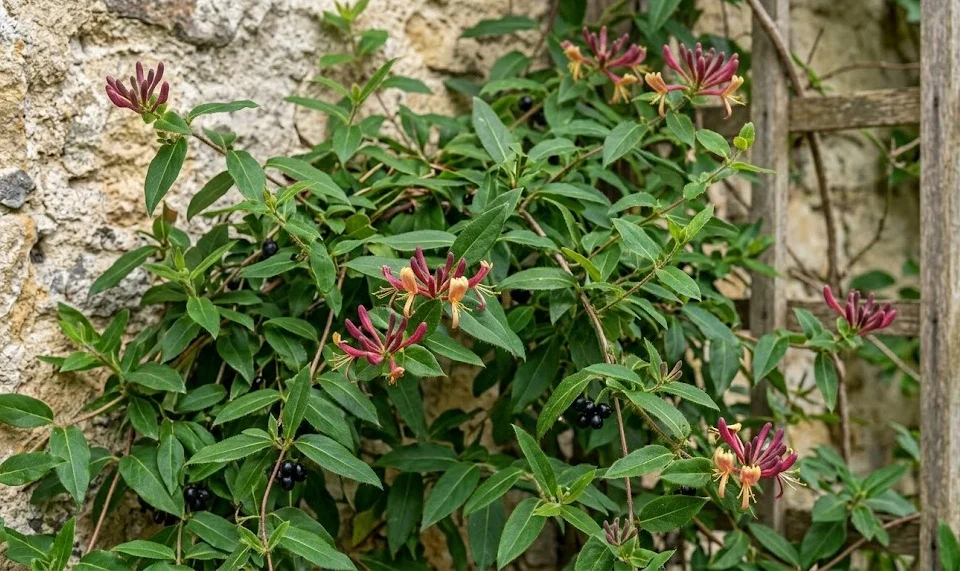

Proper hydration and nutritional support are the pillars of cultivating a spectacular Henry’s honeysuckle specimen. While this evergreen vine exhibits reasonable resilience once established, its growth potential is directly tied to soil inputs. Balancing moisture levels without creating stagnant conditions prevents root stress and promotes lush foliage development. Implementing a strategic fertilization routine provides the essential chemical elements necessary for sustained vertical expansion.
Young vines require consistent moisture during their initial growing season to develop deep, extensive root architectures. Watering deeply twice a week is generally more effective than applying shallow daily sprinklings. Deep irrigation encourages the roots to grow downward into cooler, more stable layers of the soil profile. This foundational development builds long-term drought tolerance, preparing the climber for future environmental challenges.
The texture of the surrounding soil heavily influences how water moves through the root zone. Sandy soils drain rapidly, necessitating more frequent irrigation intervals to keep the plant adequately hydrated. Conversely, clay soils retain moisture for extended periods, requiring careful monitoring to avoid suffocating the roots. Adjusting the watering frequency based on soil composition ensures an optimal balance of water and oxygen.
Observing the plant’s physical response provides immediate feedback regarding its hydration status. Subtle changes in leaf turgor pressure often signal the onset of moisture stress before severe wilting occurs. Experienced gardeners learn to read these silent cues to fine-tune their irrigation schedules dynamically. Maintaining a stable moisture equilibrium prevents physiological disruptions and supports continuous metabolic activity.
Seasonal adaptations in irrigation schedules
During the peak of summer, high evaporation rates necessitate increased vigilance from the grower. Transpiration accelerates as temperatures rise, causing the vine to consume water at an accelerated pace. Morning irrigation is highly recommended because it allows the foliage to dry before sunset, reducing fungal risks. Delivering water directly to the soil minimizes wasteful evaporation losses into the hot summer air.
More articles on this topic
As autumn arrives, the plant’s metabolic processes begin to slow down in response to shorter days. Consequently, the frequency of watering should be reduced to prevent waterlogged conditions during cooler weather. The soil remains damp longer, meaning the root zone requires less intervention to maintain adequate hydration levels. This gradual reduction helps the vine transition naturally into its winter physiological state.
Winter watering is a critical yet frequently overlooked aspect of caring for evergreen climbers like this honeysuckle. Because the plant retains its leaves, it continues to lose moisture through transpiration even during cold months. If the ground freezes solid for extended periods, the roots cannot absorb water, leading to winter desiccation. Applying water during mild thaws prevents this hidden dehydration from damaging the permanent canopy.
Spring brings a sudden burst of new vegetative growth, requiring an immediate uptick in available moisture. The formation of fresh shoots and expanding leaves demands a reliable, uninterrupted supply of cellular hydration. Monitor spring rainfall patterns carefully to determine when manual supplemental watering becomes necessary. Providing ample water at this stage fuels the rapid vertical climb characteristic of early spring.
Nutrient profiles and fertilizer selection
Supplying the correct balance of nutrients ensures that the vine produces strong stems and vibrant leaves. Nitrogen is the primary driver of vegetative growth, making it essential for this fast-climbing species. However, excessive nitrogen can lead to overly tender stems that are highly susceptible to physical damage. A balanced, slow-release fertilizer provides a steady stream of nutrients without causing sudden growth spikes.
More articles on this topic
Phosphorus plays a vital role in supporting robust root development and structural stability within the plant. Strong roots are necessary to anchor the heavy canopy and absorb nutrients from the deeper soil layers. Potassium enhances the vine’s overall stress tolerance, helping it withstand temperature fluctuations and disease pressures. Selecting a formulation with a balanced ratio supports all aspects of the plant’s complex physiology.
Organic fertilizers offer unique long-term benefits compared to their synthetic chemical counterparts. Materials like well-rotted compost, bone meal, and kelp meal enrich the soil structure while feeding the plant. These organic options release nutrients gradually as soil microorganisms break down the complex organic matter. This slow process matches the natural growth rhythm of the vine, preventing nutrient leaching.
Micronutrients such as iron, magnesium, and zinc are required in tiny quantities but remain absolutely essential. A deficiency in these trace elements can disrupt chlorophyll production, leading to localized yellowing between leaf veins. Applying a complete fertilizer that includes these micronutrients prevents hidden nutritional gaps from limiting growth. Maintaining comprehensive soil fertility ensures the vine reaches its full genetic potential every season.
Safe application methods and timing
The timing of fertilizer applications is crucial to maximize nutrient uptake and prevent environmental waste. The primary feeding should occur in early spring just as the buds begin to swell with life. This application provides the necessary energy boost to support the upcoming explosion of seasonal growth. A second, lighter application in mid-summer sustains the vine through its secondary growth phase.
Avoid applying high-nitrogen fertilizers late in the summer or early autumn months. Late fertilization stimulates tender new growth that will not have sufficient time to harden before winter. This soft tissue is highly vulnerable to frost damage, which can compromise the structural integrity of the plant. Stopping nutrient inputs by late summer allows the vine to mature its existing wood naturally.
When applying granular fertilizers, distribute the material evenly across the entire root zone area. The root system extends well beyond the main stems, mimicking the horizontal spread of the upper canopy. Scratch the granules gently into the top inch of soil to prevent wind or water displacement. Always water the area thoroughly immediately after application to dissolve the nutrients and carry them downward.
Liquid fertilizers offer an alternative method for delivering nutrients quickly during periods of active growth. These water-soluble formulations are absorbed rapidly by both the root system and the lower foliage. Foliar feeding can provide a quick color boost if the plant shows temporary signs of mild nutrient stress. However, liquid applications must be repeated more frequently than slow-release granular options to sustain growth.
Identifying and correcting imbalances
Over-fertilization can cause severe damage to the delicate root hairs responsible for absorbing water and nutrients. High concentrations of salts in the soil draw moisture out of the roots, leading to dehydration. The physical symptoms of this issue include scorched leaf margins and stunted, brittle new shoots. Flushing the soil with large volumes of clean water can help leach excess salts away from roots.
Nutrient deficiencies manifest in distinct visual patterns that allow for accurate diagnostic assessments. Nitrogen deficiency typically causes the older, lower leaves to turn uniform pale green or yellow. A lack of iron results in interveinal chlorosis, where the veins remain green while the tissue turns yellow. Addressing these issues promptly with targeted soil amendments restores the plant’s vibrant appearance and health.
Over-watering presents a major threat by creating anaerobic conditions within the immediate root zone. When soil pores remain continuously filled with water, roots cannot access the oxygen needed for respiration. This lack of oxygen causes the roots to rot, leading to a sudden decline in overall health. Symptoms include yellowing leaves, soft stems, and a distinct sour odor originating from the soil.
Under-watering causes immediate physical stress that slows down all growth and developmental processes. The leaves lose their glossy texture, becoming dull, droopy, and dry along the outer margins. Severe drought stress can cause premature leaf drop as the vine tries to conserve limited water reserves. Reviving a dehydrated plant requires a slow, deep soaking to rehydrate the compacted soil completely.