
Maintaining the structural integrity and aesthetic appeal of elephant’s ears involves a deliberate approach to pruning and seasonal cleanup. Unlike many perennials that require aggressive cutting back to the ground, these leathery-leaved plants benefit from a more selective and targeted grooming process. Proper pruning not only keeps the colony looking tidy but also prevents the buildup of old organic material that can harbor pests and diseases. Professional gardeners view pruning as a way to direct the plant’s energy toward new, healthy growth and to highlight its natural architectural form.
Spring cleanup and deadheading
The most important pruning task for elephant’s ears takes place in the early spring as the garden begins to wake up from its winter dormancy. During this time, it is essential to remove any leaves that have become damaged, tattered, or discolored by the winter cold. These older leaves often lose their turgidity and can become a distraction from the vibrant new growth emerging from the crown. Using sharp, clean shears, cut the unwanted leaves back as close to the base of the plant as possible without damaging the new shoots.
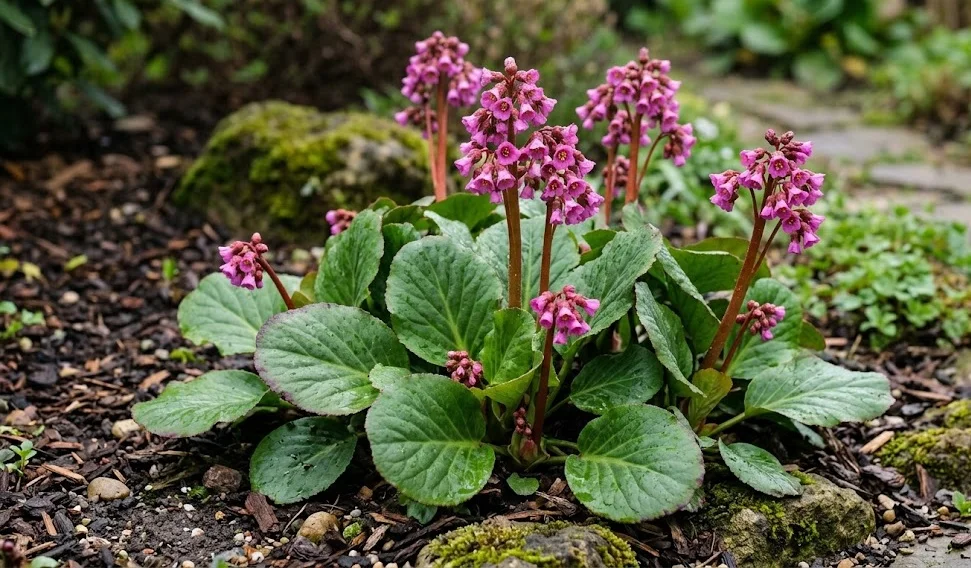
As the spring progresses, the plant will produce its characteristic flower spikes, which add a beautiful splash of color to the garden. Once these flowers have faded and begun to turn brown, they should be removed through a process known as deadheading. Cut the entire flower stalk back to the point where it emerges from the foliage to maintain a clean, organized appearance. Deadheading prevents the plant from wasting energy on seed production and keeps the focus on the lush, green leaves that will define the plant for the rest of the year.
While cleaning up the foliage, take the opportunity to inspect the center of the clump for any signs of overcrowding or debris buildup. Removing dead leaf stems and any trapped litter from nearby trees improves airflow and reduces the risk of crown rot. This meticulous attention to detail is a hallmark of professional garden care and ensures that the plant remains healthy throughout the growing season. A clean crown is the foundation for a vigorous and productive perennial.
If you notice any leaves that are showing signs of fungal spotting or other health issues during the spring, remove them immediately. This proactive pruning prevents the spread of pathogens to the new, vulnerable foliage and helps the plant maintain its overall vigor. By starting the season with a thorough and thoughtful cleanup, you set the stage for a successful and visually stunning display. Pruning is not just about aesthetics; it is a vital part of a comprehensive plant health management strategy.
More articles on this topic
Late season maintenance and winter prep
As the summer draws to a close and the temperatures begin to cool, the pruning requirements for elephant’s ears change to reflect the slowing growth cycle. During this period, avoid heavy pruning that might stimulate a new flush of growth, as this soft tissue would be highly susceptible to early frost damage. Instead, focus on removing only the most severely damaged or yellowing leaves to keep the clump looking tidy. The goal is to allow the plant to naturally transition into its dormant phase with as much healthy foliage as possible.
Many gardeners appreciate the winter color changes that these plants undergo, so leaving healthy foliage intact is often a desirable aesthetic choice. The large, leathery leaves can turn shades of bronze, red, or even deep purple as the weather gets colder, providing essential interest in the winter landscape. Pruning during the late autumn should be minimal, limited only to removing debris that might trap moisture around the base of the plant. A professional gardener respects the natural life cycle of the plant and uses pruning to enhance rather than disrupt it.
In areas where heavy snow is expected, some light pruning of the most extended or vulnerable leaves can prevent them from snapping under the weight. However, it is generally better to leave the majority of the foliage in place to act as a natural insulator for the crown and rhizomes. This protective layer of leaves can make a significant difference in the survival of the plant during an exceptionally cold winter. The balance between tidiness and protection is a key consideration for any overwintering strategy.
Finally, ensure that your pruning tools are cleaned and sharpened before the final pass of the season. Clean cuts heal faster and are less likely to become entry points for diseases during the damp winter months. Professional tool maintenance is a small but critical detail that reflects a commitment to high-quality horticultural practices. By preparing the plant and your tools properly, you ensure that the garden is ready for the challenges of the coming season.
More articles on this topic
Rejuvenation pruning for older clumps
Over several years, a colony of elephant’s ears can become quite dense, with the center of the clump becoming woody and less productive. When this happens, a more aggressive form of pruning, often referred to as rejuvenation pruning, may be necessary to restore the plant’s vitality. This involves thinning out the older, less vigorous stems to make room for new growth to emerge from the rhizomes. Observing the size and health of the newest leaves will tell you when it is time to intervene in this way.
The best time for rejuvenation pruning is in the early spring, just as the first signs of growth are appearing. You can selectively remove up to a third of the oldest stems, cutting them right back to the ground to encourage the plant to push out fresh shoots. This process can be combined with lifting and dividing the plant if the overcrowding is particularly severe. Rejuvenation pruning is a powerful tool for maintaining the long-term health and beauty of a large perennial collection.
In addition to thinning, you may also need to prune the creeping rhizomes if they have started to grow into areas where they are not wanted. These plants spread slowly but steadily, and a bit of “boundary pruning” keeps them from overwhelming their neighbors. Simply cut through the rhizome with a sharp spade or knife and remove the unwanted section, ensuring you get as much of the root system as possible. This keeps the garden layout organized and ensures that every plant has the space it needs to flourish.
By consistently applying these pruning techniques, you can ensure that your elephant’s ears remain a vibrant and structural part of your garden for decades. Pruning is an art that requires observation, patience, and a deep understanding of how the plant grows. A professional gardener uses the shears not just to cut, but to shape and sustain the life of the garden. Through careful maintenance and occasional rejuvenation, these remarkable plants will continue to impress with their bold foliage and reliable performance.