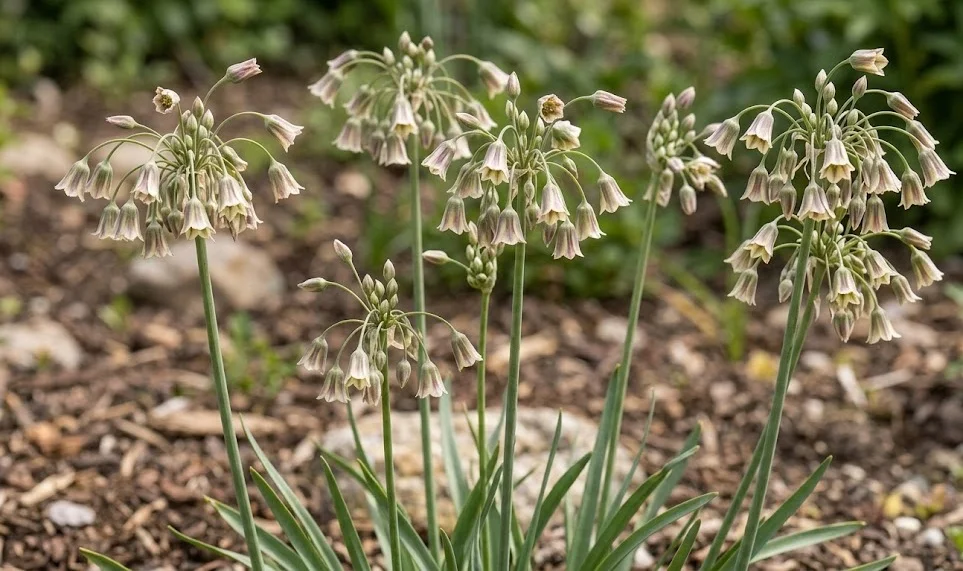

The overwintering of Bulgarian honey garlic is a straightforward process because these bulbs are remarkably hardy and well-adapted to temperate climates. In most regions, they require very little assistance to survive the coldest months of the year beneath the protective blanket of the soil. However, understanding the factors that influence their winter survival can help you provide an extra layer of security during exceptionally harsh seasons. A professional approach to winter preparation ensures that your bulbs emerge healthy and ready to bloom when the spring warmth finally arrives.
These plants are generally considered hardy to USDA zones 5 through 9, which covers a wide range of winter temperatures. This means they can withstand freezing temperatures as long as they are planted at the correct depth in well-drained soil. The primary threat during the winter is not the cold itself, but rather the moisture that can accumulate in heavy soils. If the bulbs are kept too wet during their dormant period, they are far more likely to suffer from rot or frost damage.
In regions with extremely cold winters and limited snow cover, the soil can freeze deeply and potentially reach the bulbs. While they are tough, a sudden and prolonged deep freeze can sometimes cause the outer layers of the bulb to expand and crack. This creates entry points for soil pathogens once the ground thaws in the spring. Providing a layer of insulation can help to moderate these temperature fluctuations and keep the soil conditions more stable.
If you are gardening in a borderline hardiness zone, you should be particularly mindful of the microclimate where you plant your bulbs. A south-facing slope or a spot near a stone wall will often stay slightly warmer during the winter months. Conversely, a low spot in the garden will collect cold air and moisture, making it a more challenging site for overwintering. Choosing the right location is the first and most important step in winter protection.
Protective mulching strategies
Applying a layer of mulch is the most effective way to protect your Bulgarian honey garlic from the rigors of winter. A three to four-inch layer of organic material, such as shredded leaves, straw, or evergreen boughs, provides excellent insulation. This mulch acts like a thermal blanket, slowing down the freezing and thawing cycles that can heave bulbs out of the ground. It also helps to keep the soil moisture levels consistent throughout the winter months.
More articles on this topic
The best time to apply winter mulch is after the first hard frost has occurred and the ground has begun to cool down. If you apply the mulch too early in the autumn, you might trap too much heat in the soil and encourage late-season growth. You want the plant to be fully dormant before you add the extra layer of protection. This timing ensures that the bulbs remain in their resting state until the proper time in the spring.
In the spring, it is important to remove the mulch gradually as the weather begins to warm and the first shoots appear. If you leave a heavy layer of mulch on for too long, it can trap excess moisture and lead to rot as the temperatures rise. Thinning out the mulch allows the soil to warm up and gives the new growth a clear path to the surface. You can leave a thin layer behind to help suppress weeds and retain moisture during the growing season.
Using natural materials for mulching has the added benefit of improving the soil as they decompose over time. Leaf mold is particularly effective because it has a fine texture and provides a gentle source of nutrients. If you use straw, make sure it is free of weed seeds to avoid creating more work for yourself in the spring. This simple task of mulching is one of the most rewarding ways to care for your dormant garden.
Overwintering plants in containers
If you are growing Bulgarian honey garlic in pots, the overwintering process requires a bit more attention and care. Containers are much more exposed to the elements than the ground, and the soil within them can freeze and thaw rapidly. This can be very stressful for the bulbs and may lead to a higher rate of winter mortality. To ensure their survival, you must find a way to insulate the pots or move them to a more protected location.
More articles on this topic
One professional technique is to sink the entire pot into the ground in a sheltered part of the garden for the winter. This uses the natural insulation of the earth to protect the roots and bulbs from extreme temperature swings. If this is not possible, you can wrap the pots in layers of burlap or bubble wrap to provide a similar level of protection. Placing the containers against the foundation of a house can also provide a few extra degrees of warmth.
Another option for container plants is to move them into an unheated garage, shed, or cold frame during the coldest months. These spaces stay cold enough to keep the bulbs dormant but protect them from the drying winds and heavy freezes of the outdoors. You should check the moisture level of the soil occasionally, as pots in a covered area can dry out completely. A very light watering once a month is usually enough to keep the bulbs hydrated without causing rot.
As the spring approaches, you should move the containers back out into the light to encourage the bulbs to sprout. Start by placing them in a sheltered spot for a few days to acclimate them to the outdoor conditions. Once the danger of a hard freeze has passed, they can be moved back to their permanent display positions. Growing these bulbs in containers is a great way to bring their unique beauty to patios and balconies, provided you manage their winter needs.
Spring emergence and recovery
The moment when the first green tips of the Bulgarian honey garlic break through the soil is an exciting time for any gardener. This emergence is a sign that the bulbs have successfully navigated the winter and are ready for a new season of growth. If you notice any bulbs that have been pushed to the surface by frost heave, gently press them back into the soil. It is important to cover any exposed roots or bulbs immediately to prevent them from drying out.
Sometimes, the early spring shoots can be damaged by a late-season cold snap or a heavy snowfall. While the tips may turn brown or appear slightly wilted, the growing point of the plant is usually still safe deep within the bulb. Most of the time, the plant will quickly grow past this minor damage as the weather stays consistently warm. You should resist the urge to fertilize too early, as the plant needs to establish its roots first.
If a bulb fails to sprout after all the others have appeared, it may have been lost to rot or pests during the winter. You can gently dig into the soil to investigate the condition of the bulb and see if it is still firm. If the bulb is soft or missing, it is best to remove any remaining fragments and the surrounding soil to prevent the spread of pathogens. This is a natural part of gardening, and replacing a lost bulb in the autumn is a simple task.
As the leaves fully expand, you can begin your regular spring maintenance routine of light watering and fertilization. The energy stored in the bulb during the previous summer is what fuels this initial burst of growth. By providing a stable and protected winter environment, you have ensured that the bulb has the maximum amount of energy available. The cycle of the garden continues, and your patience during the winter is rewarded with another spectacular floral display.