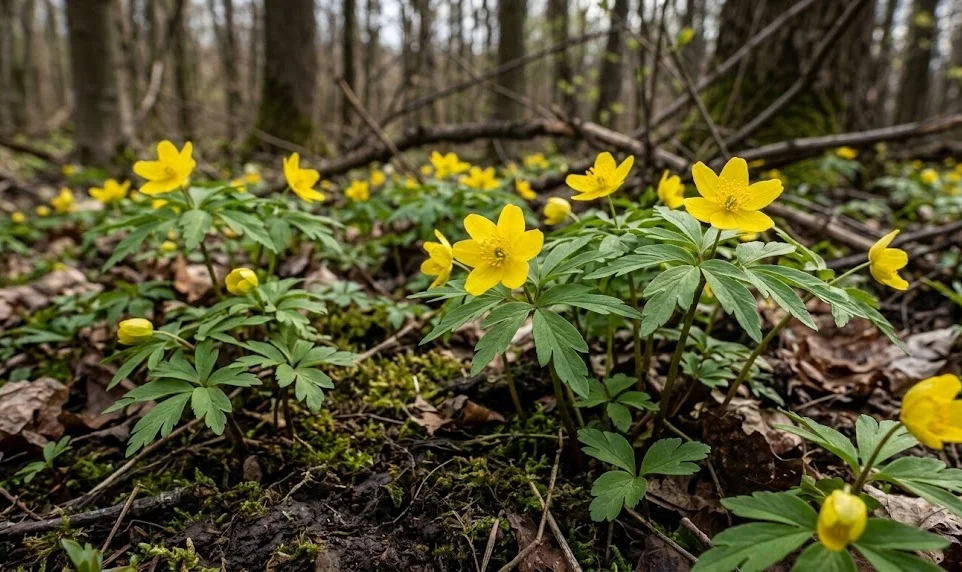

Mastering the watering and fertilization of the yellow wood anemone is essential for maintaining its vibrant color and ensuring its annual return. As a woodland plant, its hydration needs are dictated by the moisture levels typically found in damp forest soils during the spring. Providing the right nutrients at the right time allows the rhizomes to store enough energy for the following year’s growth. Professional care involves a balanced approach that avoids both the stress of drought and the dangers of over-saturation.
The watering schedule for these plants is highly seasonal and closely tied to their unique growth cycle. During the active flowering period in early spring, the demand for water is at its peak as the plant builds its delicate structures. However, as the plant enters dormancy in the summer, your irrigation strategy must change to prevent the underground rhizomes from rotting. Understanding these transitions is the key to managing the moisture levels in a way that promotes health rather than harm.
Fertilization for yellow wood anemones should focus on enhancing the soil’s natural fertility rather than providing heavy doses of chemical salts. Because they are adapted to the nutrient-rich humus of the forest floor, they respond best to organic amendments that break down slowly over time. A professional gardener knows that “feeding the soil” is often more effective than “feeding the plant” directly. This approach creates a stable and sustainable environment where the anemones can thrive with minimal intervention.
Consistency and observation are your best tools when it comes to managing these two critical care factors. You should regularly check the soil moisture with your fingers and observe the plant’s foliage for signs of nutrient deficiency. Early intervention can prevent minor issues from becoming major problems that could threaten the survival of the colony. By following these professional guidelines, you will ensure that your yellow wood anemones remain a healthy and beautiful part of your garden for many years.
Understanding moisture requirements
The primary rule of watering the yellow wood anemone is to keep the soil consistently moist but never soggy. In its natural environment, the plant benefits from the frequent rains of spring and the moisture-retentive properties of fallen leaves. You should aim to replicate this by providing deep, infrequent waterings that penetrate the soil to reach the rhizomes. Shallow watering encourages roots to stay near the surface, where they are more vulnerable to drying out during hot spells.
More articles on this topic
During the spring growth spurt, the plant’s water consumption increases significantly as it produces leaves and flowers. If the weather is unseasonably dry or windy, you may need to water every few days to keep the soil from drying out. A simple finger test—inserting your finger an inch into the soil—is the most reliable way to tell if it is time to water. If the soil feels dry at that depth, it is time to give the anemone patch a good soak.
The quality of the water you use can also have an impact on the long-term health of the soil and the plants. Ideally, you should use rainwater collected in a barrel, as it is naturally soft and free from the chemicals often found in municipal tap water. If you must use tap water, allowing it to sit in an open container for 24 hours can help some of the chlorine dissipate. While these anemones are generally hardy, avoiding harsh chemicals helps maintain the delicate balance of the soil ecosystem.
Mulching plays a vital role in moisture management by reducing the rate of evaporation from the soil surface. A two-inch layer of organic mulch, such as shredded leaves or fine bark, acts as an insulating blanket that keeps the roots cool and damp. This is especially important during the late spring as the canopy trees are still leafing out and the sun can reach the forest floor. Proper mulching can significantly reduce the amount of supplemental watering you need to provide throughout the season.
Seasonal irrigation strategies
As the yellow wood anemone transitions from spring growth to summer dormancy, your watering habits must shift accordingly. Once the foliage begins to yellow and die back, the plant’s metabolic activity slows down dramatically, and it requires much less water. During this period, you should reduce the frequency of irrigation to prevent the soil from becoming overly wet. Over-watering a dormant plant is a common mistake that can lead to fungal infections and rhizome rot.
More articles on this topic
However, dormancy does not mean the soil should be allowed to turn into dust; a baseline level of moisture is still necessary. In very hot, dry summers, you should give the dormant area a light watering every few weeks to keep the rhizomes from completely dehydrating. The goal is to keep the soil “just barely” moist, mimicking the conditions of a shaded forest floor even in the height of summer. If you have chosen a naturally cool and shaded site, this task will be much easier to manage.
Autumn brings another change in the moisture needs of the yellow wood anemone as it prepares for the winter ahead. While the plant is still dormant above ground, the cooling temperatures and increased rainfall help the rhizomes stay hydrated. If the autumn is particularly dry, a few deep waterings can help the plant build up moisture reserves before the ground freezes. This ensures that the plant has the internal hydration it needs to survive a long, cold winter.
Winter watering is generally unnecessary in most climates, as the plant is fully dormant and the ground is often frozen or covered in snow. However, if you live in a region with very dry winters and no snow cover, an occasional watering during a warm spell can be beneficial. Once the first signs of green appear in the spring, you should immediately resume your regular watering schedule. This early intervention supports the rapid development of the flowers that make this plant so beloved.
Nutritional needs of wood anemones
The yellow wood anemone is not a heavy feeder, but it does require a steady supply of basic nutrients to perform its best. In the wild, these nutrients come from the slow decomposition of leaves and other organic matter that falls from the trees above. In a garden setting, you should try to mimic this natural recycling process to provide a balanced diet. Focus on providing nitrogen for leaf growth, phosphorus for strong roots and flowers, and potassium for overall plant health and disease resistance.
The best time to provide supplemental nutrition is in the very early spring just as the first shoots begin to emerge from the soil. A light application of a balanced, organic fertilizer can give the plant a helpful boost as it starts its intense growth phase. You should avoid high-nitrogen fertilizers, which can encourage lush foliage at the expense of flower production. A professional choice is a compost tea or a granulated organic fertilizer specifically designed for woodland or shade-loving plants.
It is equally important to know when to stop fertilizing to avoid disrupting the plant’s natural lifecycle. You should never apply fertilizer after the flowers have faded and the plant is preparing for dormancy. Adding nutrients late in the season can stimulate new growth that the plant cannot support, leading to weakened rhizomes. By timing your fertilization to coincide with the natural spring surge, you work with the plant’s biology rather than against it.
Over-fertilization can be just as harmful as a lack of nutrients, leading to salt buildup in the soil and potential root burn. If you notice that your anemones are producing massive amounts of dark green leaves but very few flowers, you may be over-feeding them. The yellow wood anemone thrives in “leaner” conditions than many traditional garden perennials, so a light touch is always better. When in doubt, stick to natural organic amendments like compost or leaf mold, which are much harder to over-apply.
Organic vs synthetic fertilizers
When choosing between organic and synthetic fertilizers for your yellow wood anemone, the organic route is almost always superior. Organic fertilizers, such as bone meal, fish emulsion, or well-rotted manure, release their nutrients slowly as they are broken down by soil microbes. This slow-release mechanism matches the slow-growing nature of the anemone and prevents the sudden spikes in nutrient levels that synthetic products can cause. Furthermore, organic options improve the overall structure and health of the soil, which is vital for woodland species.
Synthetic fertilizers, while convenient and fast-acting, can sometimes be too harsh for the delicate root systems of woodland anemones. They often contain high levels of salts that can dehydrate the rhizomes and kill off the beneficial fungi that live in the soil. If you choose to use a synthetic product, you should dilute it to half-strength and apply it very sparingly. However, for a truly professional result that prioritizes long-term plant health, organic amendments are the gold standard.
Leaf mold is perhaps the single best “fertilizer” you can provide for the yellow wood anemone. This is simply deciduous leaves that have been allowed to rot down into a dark, crumbly, soil-like material. It is rich in the specific nutrients and microorganisms that the anemone has evolved to live with over thousands of years. Spreading an inch of leaf mold over your anemone patch every autumn is often all the fertilization these plants will ever need.
Another excellent organic option is to use a light top-dressing of homemade compost once a year. Compost provides a broad spectrum of nutrients and beneficial bacteria that help the plant resist diseases and pests. Make sure the compost is fully broken down and “cold” before applying it, as fresh compost can be too intense for the plants. By relying on these natural sources of nutrition, you create a garden that is not only beautiful but also ecologically sound.
Monitoring soil health and pH
The success of your watering and fertilization program is ultimately determined by the health and pH of the soil. You should periodically test the soil in your anemone beds to ensure that the pH remains in the ideal range of 6.0 to 7.0. If the soil becomes too acidic or too alkaline, the plant may lose its ability to take up certain nutrients, regardless of how much you fertilize. A simple soil test kit from a garden center can provide this information quickly and accurately.
If your soil test indicates that the pH is out of balance, you can take professional steps to correct it gradually. To lower the pH of alkaline soil, you can add organic matter like peat moss or elemental sulfur during the dormant season. To raise the pH of overly acidic soil, a light application of garden lime can be effective, though this is rarely necessary for woodland plants. Any changes to soil chemistry should be made slowly to avoid shocking the delicate rhizomes and the surrounding soil life.
Compacted soil is another enemy of healthy anemones that can interfere with both water penetration and nutrient uptake. If the soil in your beds feels hard or looks cracked, you may need to carefully aerate the area. Avoid using heavy tools near the rhizomes; instead, use a hand fork to gently loosen the soil surface between the plants. Adding more organic matter will also help to naturally loosen the soil over time by encouraging earthworm activity.
By keeping a close eye on these fundamental soil factors, you can prevent many common gardening problems before they even start. A healthy soil ecosystem provides a buffer against environmental stress and helps the yellow wood anemone reach its full potential. Gardening is as much about managing the invisible life below ground as it is about the beautiful flowers above. With careful monitoring and professional care, your anemone patch will continue to flourish and expand year after year.