
Pruning is an essential management tool that allows you to shape your ornamental trees and encourage the best possible floral display. When done correctly, it enhances the natural beauty of the plant and maintains its structural integrity over a long period. Many gardeners feel intimidated by the task, but understanding the basic principles of tree biology makes the process much more straightforward. A professional approach to pruning focuses on health, aesthetics, and the long-term vitality of the specimen in your garden.
The timing of your pruning activities is the most important factor in ensuring that you do not accidentally remove the upcoming season’s flowers. These trees produce their blooms on “new wood,” which means the flowers grow on the stems that emerge during the current spring and summer. Therefore, the best time to prune is in the late winter or very early spring while the plant is still completely dormant. Pruning at this time stimulates a flush of vigorous new growth that will be covered in flower clusters a few months later.
Avoid the common mistake of pruning too early in the autumn or winter, as this can leave the plant vulnerable to freeze damage. When you make a cut, you are exposing the sensitive internal tissues to the elements and potentially stimulating the plant to wake up if there is a warm spell. By waiting until the coldest part of the winter has passed, you ensure that the new growth only begins when the weather is consistently warming. This careful timing protects the health of the tree and ensures the best possible start to the new growing season.
Using the right tools for the job is a hallmark of a professional gardener and ensures that the cuts you make are clean and heal quickly. You should have a pair of sharp bypass pruners for smaller stems, loppers for medium branches, and a pruning saw for larger limbs. Clean your tools with a disinfectant between different plants to prevent the spread of diseases throughout your landscape. Sharp, well-maintained equipment makes the work easier and is much better for the long-term health of the wood.
Structural pruning and thinning
The goal of structural pruning is to create a strong, open framework that allows light and air to reach all parts of the canopy. You should begin by removing the “three Ds”: wood that is dead, damaged, or diseased, as these branches serve no purpose and can harbor pests. Next, look for branches that are crossing each other or rubbing together, as these can create wounds in the bark over time. By removing the weaker of the two crossing stems, you prevent future problems and improve the overall look of the tree.
More articles on this topic
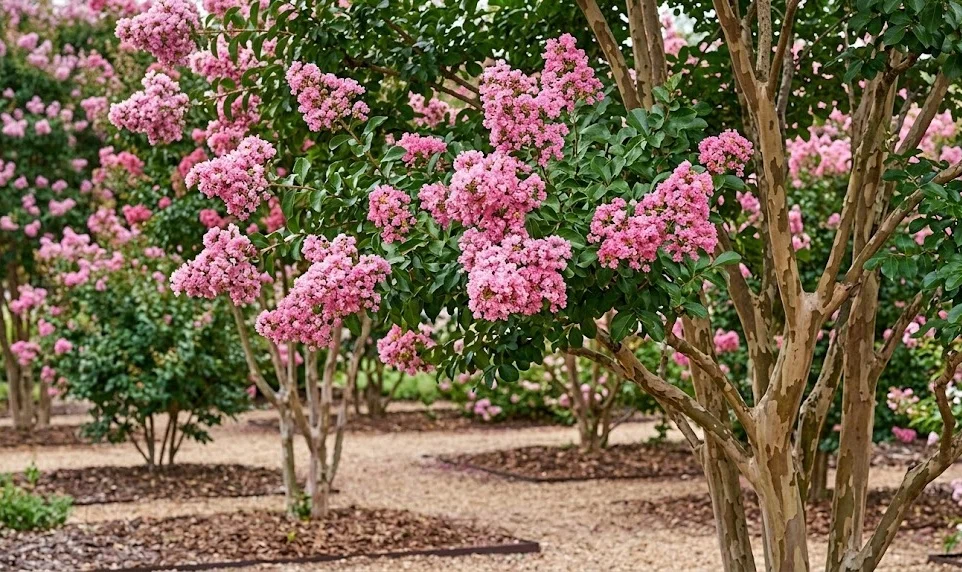
Thinning out the interior of the tree is a professional technique that reduces the density of the branches without changing the overall size of the plant. This practice improves air circulation, which is one of the best ways to prevent common foliage diseases like powdery mildew. It also allows the beautiful exfoliating bark of the interior trunks to be seen more clearly from the ground. A well-thinned tree has a graceful, airy appearance that highlights its natural form rather than looking like a solid block of green.
When removing a branch entirely, always make your cut just outside the “branch collar,” which is the slightly swollen area where the limb meets the main trunk. Cutting too close to the trunk can damage the tree’s natural healing tissues, while leaving a long stub can lead to rot and decay. This precise placement of the cut allows the tree to seal the wound quickly and efficiently through its own biological processes. Understanding the anatomy of the branch union is a fundamental skill for anyone performing maintenance on ornamental trees.
Developing the tree into a multi-stemmed or single-trunk form should be done early in its life to guide its permanent structure. If you prefer the look of a small tree, you should select three to five of the strongest main stems and remove any others that emerge from the base. Consistent removal of basal suckers is necessary throughout the life of the plant to maintain this clean, architectural appearance. This ongoing maintenance ensures that the plant’s energy is focused on the main canopy rather than on a cluttered base.
Rejuvenation and managing flower growth
If a tree has become overgrown or has been neglected for several years, you can use rejuvenation pruning to restore its vigor and shape. This involves a more significant removal of old wood to encourage the growth of fresh, productive stems from the lower parts of the plant. You should not remove more than about one-third of the total canopy in a single year to avoid over-stressing the root system. Over a period of two or three years, you can completely renew the structure of the tree while still enjoying some flowers each season.
More articles on this topic
Deadheading is a lighter form of pruning that involves removing the spent flower clusters after they have finished blooming in the summer. While not strictly necessary for the health of the tree, it can sometimes encourage a second, smaller flush of flowers later in the season. It also prevents the tree from putting its energy into seed production, keeping it focused on vegetative growth instead. This simple task keeps the garden looking tidy and extends the period of visual interest for you and your guests.
Avoid the practice known as “topping” or “crape murder,” where the main branches are cut back to large stubs every year. This aggressive method results in weak, spindly growth that cannot support the weight of the large flower clusters, often causing them to flop over. It also creates large wounds that never heal properly and ruins the natural, graceful silhouette of the tree for many years. Professional arborists and gardeners strongly discourage this practice in favor of more thoughtful and selective thinning techniques.
Finally, remember that the amount of pruning you do will directly affect the size and number of the flowers. Heavy pruning tends to result in fewer but much larger flower clusters, while light pruning produces a greater number of smaller clusters. You can adjust your pruning intensity to achieve the specific aesthetic result you want for your landscape design. By working with the natural growth habits of the Chinese crapemyrtle, you can create a stunning and healthy specimen that remains a highlight of your garden.