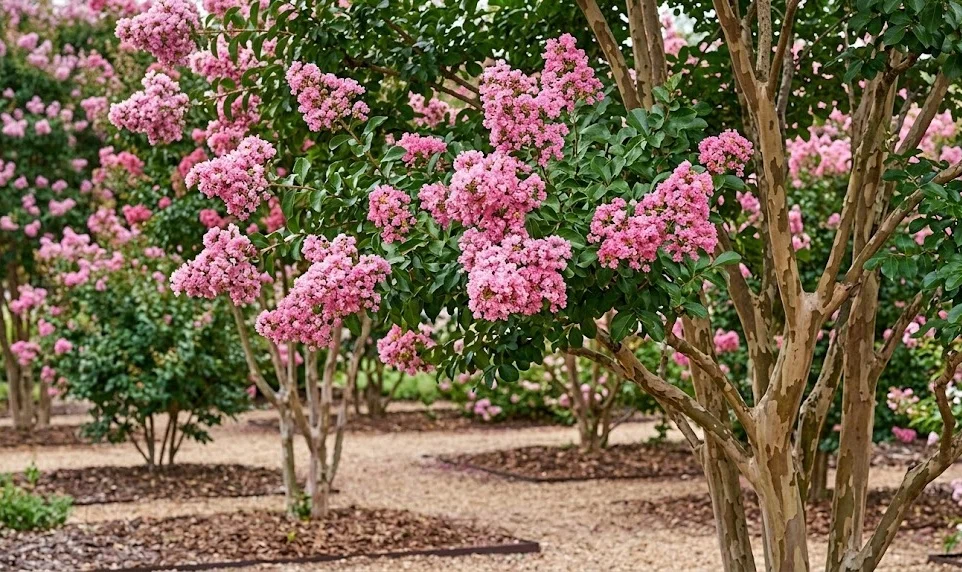

Establishing a new specimen in your landscape begins with a thoughtful planting process that prioritizes root development and site compatibility. The way you introduce a young tree to its permanent home determines how quickly it will transition and begin to grow. Many gardeners find that the effort spent during the initial planting phase pays off with a much more vigorous plant in the subsequent years. A professional approach to planting ensures that the tree has every advantage as it starts its life in your garden.
The timing of your planting project is the first major decision that will influence the overall success of the establishment. Late autumn or early spring are generally considered the best times to plant while the tree is in a dormant state. Planting during these cooler months allows the roots to settle in without the stress of supporting a full canopy of leaves. If you must plant during the summer, you will need to provide much more frequent and careful irrigation.
Selecting the right location involves more than just finding a spot with enough physical space for the mature branches. You must look for a site that offers at least six to eight hours of direct sunlight each day for the best results. The soil should be well-draining, as these plants do not tolerate having “wet feet” for any extended period of time. Avoid low-lying areas where water tends to collect after a heavy rain or during the spring thaw.
Preparing the planting hole correctly is a fundamental task that many people tend to rush through far too quickly. The hole should be twice as wide as the root ball but no deeper than the container it came in. This wide area of loosened soil allows the new roots to spread out horizontally with very little resistance. Always ensure the sides of the hole are not “glazed” or smoothed over, as this can trap the roots inside.
Propagation from hardwood cuttings
Hardwood propagation is a reliable method used by professionals to create new plants that are genetically identical to the parent. You should take these cuttings during the late winter months when the tree is completely dormant and the wood is firm. Select healthy stems that are about the thickness of a pencil and show no signs of disease or damage. Each cutting should be roughly six to eight inches long and contain at least three or four nodes.
More articles on this topic
The preparation of the cutting involves making a clean, slanted cut at the bottom and a straight cut at the top. This technique helps you identify which end goes into the ground and provides a larger surface area for root development. You can dip the bottom end into a rooting hormone powder to increase the chances of successful root formation. Place the cuttings into a well-draining potting mix or directly into a prepared nursery bed in the garden.
Maintaining the right environment for these dormant sticks is crucial for them to develop into viable young saplings. They need to stay moist but not saturated, as excess water will cause the stems to rot before they can root. Protecting them from harsh winds and extreme temperature fluctuations will also help the rooting process move along more smoothly. Most of the energy for root growth comes from the stored nutrients within the hardwood cutting itself.
By the time spring arrives, you should notice the buds on the cuttings beginning to swell and push out new growth. This is a clear sign that the vascular system is functioning and roots are likely forming beneath the surface of the soil. You should avoid tugging on the cuttings to check for roots, as this can easily break the delicate new fibers. Give them a full growing season to establish a strong root system before attempting to transplant them.
Growing from seeds
Raising these trees from seeds is a fascinating process, although the resulting plants may not always look exactly like the parent. You should collect the small, woody seed capsules in the late autumn after they have turned brown and started to crack open. Each capsule contains several winged seeds that are designed to be dispersed by the wind in their natural habitat. Store the seeds in a cool, dry place until you are ready to begin the germination process in the spring.
More articles on this topic
Sowing the seeds requires a light, sterile seed-starting mix that provides both moisture retention and adequate aeration for the tiny sprouts. You should press the seeds gently into the surface of the soil but do not cover them deeply, as they need light to germinate. Keep the tray in a warm location with consistent moisture to encourage the first green shoots to appear within a few weeks. A sunny windowsill or a greenhouse environment is usually perfect for this initial stage of development.
Once the seedlings have developed their second set of true leaves, they are ready to be moved into individual small containers. This gives each plant more space to grow and prevents the roots from becoming tangled with their neighbors in the tray. You should use a high-quality potting soil and provide regular, light fertilization to support the rapid growth of the young stems. Be careful not to let the small pots dry out completely, as the seedlings are quite sensitive at this stage.
Acclimatizing the young plants to the outdoor environment is a process known as hardening off that must be done gradually. Start by placing them outside in a sheltered, shady spot for just a few hours each day during mild weather. Slowly increase their exposure to direct sunlight and outdoor temperatures over a period of about two weeks. This preparation prevents transplant shock and ensures the young trees are tough enough to survive in the open garden.
Propagation using softwood cuttings
Softwood cuttings are taken during the late spring or early summer when the plant is actively growing and the stems are flexible. This method often results in faster rooting compared to hardwood cuttings, but the material is much more delicate and prone to wilting. You should select the tips of new shoots that have just begun to harden slightly at the base of the new growth. Cuttings should be about four to six inches long and taken early in the morning when the plant is hydrated.
Removing the lower leaves from the cutting reduces the amount of moisture lost through transpiration while the roots are forming. You should leave only the top two or three leaves to provide energy for the plant through photosynthesis during this transition. If the remaining leaves are very large, you can cut them in half to further reduce water loss and save space. Dip the base of the stem in a liquid or powder rooting hormone to stimulate cell division.
Providing a high-humidity environment is essential for softwood cuttings because they lack a root system to replace lost water. Many professionals use a misting system or place the cuttings under a clear plastic dome to keep the air saturated. The potting medium should be a sterile mix of perlite and peat moss that holds moisture without becoming soggy or compacted. Keep the containers in bright, indirect light but avoid direct afternoon sun which can quickly overheat the delicate stems.
Rooting typically occurs within three to six weeks depending on the temperature and the specific health of the cutting material. You can check for success by gently blowing on the leaves or looking for new growth emerging from the top nodes. Once the roots are well-established, you can slowly reduce the humidity and move the plants into a more standard potting soil. These young plants will need careful attention for their first winter before they are ready to be planted in the landscape.