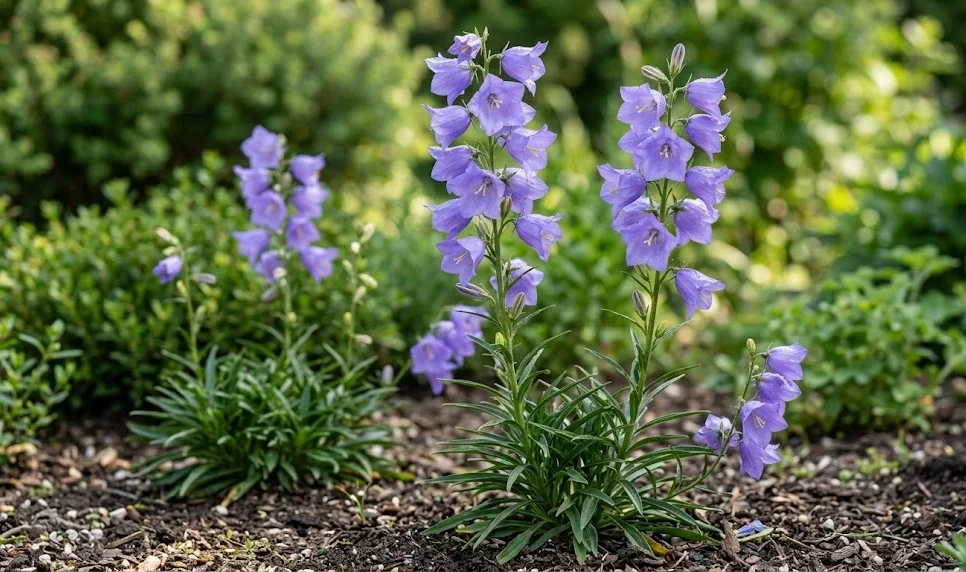

The peach-leaved bellflower is a classic perennial that brings a touch of elegance and height to any garden border throughout the summer months. Its tall, slender stems are adorned with large, bell-shaped flowers that typically come in shades of violet-blue or pure white. This plant is highly valued by gardeners for its ability to bridge the gap between late spring and mid-summer blooms. Successful cultivation requires a balance of proper placement, soil preparation, and consistent maintenance to ensure the plant thrives for many years.
Growing this perennial effectively starts with understanding its natural growth habit and its preference for temperate climates. It is a clump-forming plant that produces a basal rosette of narrow, evergreen leaves which remain attractive even when the plant is not in flower. These leaves are quite similar to those of a peach tree, which is how the plant earned its common name in many cultures. Providing the right environment will encourage the plant to send up multiple flower spikes, creating a dense and colorful display.
Maintaining the health of the foliage is just as important as encouraging the flowers if you want a professional-looking garden. The leaves should remain a deep, healthy green throughout the growing season, which indicates that the plant is receiving adequate nutrients and moisture. If the lower leaves begin to yellow or dry out prematurely, it is often a sign of environmental stress or poor soil conditions. Regularly inspecting the base of the plant will help you catch any issues before they affect the overall vigor of the bellflower.
Professional gardeners often use this species to create vertical interest without the need for heavy staking in most conditions. While the stems are relatively sturdy, they can benefit from some protection from strong winds which might cause them to lean or snap. Planting them in groups or among other sturdy perennials provides natural support and a more cohesive aesthetic. By paying attention to these small details, you can ensure that your bellflowers remain the centerpiece of your garden during their peak blooming period.
Understanding the soil and environment
The foundation of successful care lies in providing a soil structure that allows for both moisture retention and excellent drainage. These bellflowers prefer a fertile, loamy soil that is rich in organic matter to support their rapid growth during the spring. If your garden has heavy clay soil, you should incorporate compost or well-rotted manure to improve the aeration and prevent root rot. Conversely, very sandy soils may require additional organic inputs to help hold onto the water that the plant needs.
More articles on this topic
Soil pH also plays a significant role in the overall health and color of the blossoms produced by the plant. While this species is relatively adaptable, it performs best in neutral to slightly alkaline soil conditions. You can easily test your soil and adjust it with lime if it is too acidic, or with sulfur if it is too alkaline. Ensuring the correct pH balance helps the plant absorb essential micronutrients that are vital for pigment production in the flowers.
The location you choose within your garden will dictate how much effort you need to put into daily maintenance. A spot that receives morning sun and some afternoon shade is often ideal, especially in regions with particularly hot summers. Excessive heat can cause the flowers to fade quickly or the foliage to wilt, so some relief from the midday sun is beneficial. Observe how the light moves across your garden before deciding on the final planting site for your bellflowers.
Air circulation is an often overlooked aspect of the environment that can significantly impact the plant’s longevity. Crowding the plants too closely together can lead to stagnant air, which increases the humidity around the leaves and encourages fungal growth. Space your plants according to their mature width to ensure that air can move freely between the stems and foliage. This simple step will reduce the need for chemical interventions and promote a much healthier growing environment.
Seasonal maintenance routines
As spring arrives, the focus should be on preparing the plant for the upcoming growing season by clearing away any debris. Remove any dead or damaged leaves from the basal rosette to allow fresh, new growth to emerge without obstruction. Applying a thin layer of organic mulch around the base of the plant will help keep the roots cool as the temperatures rise. This is also the perfect time to check for any emerging pests that might be eyeing the tender new shoots.
During the peak of the summer, the primary task is managing the flowering period to maximize the duration of the display. Regularly removing spent flowers, a process known as deadheading, prevents the plant from putting its energy into seed production. This encourages the development of secondary flower spikes and keeps the plant looking tidy and vibrant. If you leave the dead flowers on the stem, the plant will naturally begin to shut down its blooming cycle earlier than desired.
Once the main flowering season has concluded in late summer, the plant transitions into a phase of rebuilding its energy stores. You should cut back the tall flower spikes to the base of the plant once they have finished blooming completely. This prevents the plant from becoming top-heavy and allows the basal foliage to receive more sunlight and nutrients. Maintaining a clean plant through the autumn will also help prevent pests from finding overwintering spots within the dead stems.
Winter care is generally minimal for this hardy perennial, but some preparation can help ensure a strong return in the spring. In very cold regions, a light covering of evergreen boughs can provide extra protection against the drying effects of winter winds. Ensure that the soil does not become waterlogged during the dormant season, as this is when the roots are most vulnerable to rot. By following this seasonal cycle, you align your gardening tasks with the natural rhythm of the bellflower’s life.
Maximizing floral performance
To achieve the most impressive floral display, it is essential to consider the nutritional needs of the plant during its active growth. A balanced, slow-release fertilizer applied in early spring provides a steady supply of nutrients as the flower spikes develop. Avoid high-nitrogen fertilizers later in the season, as these can promote excessive leaf growth at the expense of the blossoms. Consistent feeding ensures that the bells are large, numerous, and possess the deep coloration typical of the species.
The density of the planting can also affect how spectacular the flowers look when they are in full bloom. Planting in drifts rather than isolated individuals creates a sea of color that has a much stronger visual impact in the landscape. Grouping at least three to five plants together allows them to support each other and creates a more natural, meadow-like appearance. This technique is frequently used in professional garden design to create focal points that draw the eye from a distance.
Monitoring the moisture levels during the bud development stage is critical for ensuring that the flowers open fully and last as long as possible. Drought stress during this period can lead to bud drop or stunted flowers that never reach their full potential size. Deep watering at the base of the plant ensures that the moisture reaches the root zone where it is most needed. Avoid overhead watering when the buds are present, as moisture trapped in the developing flowers can lead to premature decay.
Sometimes, despite your best efforts, the tall stems may require a little extra help to stay upright during a heavy rainstorm. Using subtle supports like birch twigs or thin bamboo stakes early in the season allows the plant to grow through them, hiding the structure. This proactive approach ensures that your garden remains looking pristine even after inclement weather. Secure the stems loosely to the supports to allow for natural movement while providing the necessary stability.
Enhancing garden aesthetics
The peach-leaved bellflower is a versatile player in garden design, fitting comfortably into both formal and informal settings. Its vertical form makes it an excellent choice for the middle or back of a perennial border, where it can rise above lower-growing plants. The cool blue tones of many varieties pair beautifully with silver-foliaged plants or pale pink roses for a romantic look. Alternatively, the white-flowered cultivars can be used to brighten up darker corners of the garden or to separate clashing colors.
Consider the textures of neighboring plants to create a visually interesting composition that lasts all season. The smooth, narrow leaves of the bellflower contrast well with the broad, fuzzy leaves of plants like lamb’s ear or the fine texture of ornamental grasses. This layering of textures ensures that the garden remains attractive even when the bellflowers are not in their peak blooming phase. Professional designers often use these contrast principles to build depth and complexity within a planting scheme.
Creating a multi-sensory experience can be achieved by placing these plants near pathways where their gentle swaying can be appreciated. Although they are not known for a strong fragrance, their visual movement in a light breeze adds a dynamic element to the garden. The bell-shaped flowers are also highly attractive to bumblebees and other beneficial pollinators, adding the sound of buzzing life to your outdoor space. Encouraging biodiversity in this way makes your garden feel more like a living ecosystem rather than just a static collection of plants.
For those with limited space, these bellflowers can also be grown successfully in large containers on a patio or balcony. Choose a pot with plenty of drainage holes and use a high-quality potting mix to provide the necessary structure and nutrients. Container-grown plants will require more frequent watering and fertilization than those in the ground, but they offer the flexibility to move the display. This allows you to bring the beauty of the peach-leaved bellflower closer to your living areas during its most impressive weeks.
Long-term health and vigor
As your bellflowers mature, they will naturally form larger clumps that may eventually become overcrowded after three or four years. Overcrowding can lead to a decrease in the number of flower spikes and a general loss of vigor in the center of the plant. To maintain peak performance, it is necessary to rejuvenate the plants through periodic division in the spring or autumn. This process not only keeps the original plant healthy but also provides you with new specimens to plant elsewhere or share.
The overall longevity of the plant is often tied to how well it manages the transition between its active and dormant states. Ensuring the plant is not stressed by extreme drought or nutrient deficiencies during the summer helps it build the reserves needed for the following year. A healthy plant is also much better equipped to naturally resist the common pests and diseases that might affect weaker individuals. Think of your care routine as a long-term investment in the future beauty of your landscape.
Keep a garden journal to track the performance of your bellflowers and any specific interventions you have made over the years. Noting the dates of the first and last blooms, as well as the timing of any fertilization, can help you refine your care schedule. This record-keeping allows you to identify patterns and adjust your techniques to suit the specific microclimate of your garden. Over time, you will develop an intuitive sense of exactly what your plants need to truly flourish.
Finally, always be on the lookout for new varieties or cultivars that might offer improved characteristics for your specific garden needs. Plant breeders are constantly working to develop bellflowers with larger blooms, more compact habits, or increased disease resistance. Introducing a new variety can refresh your garden’s look and provide an interesting comparison to your existing plants. Staying curious and experimental is part of what makes gardening such a rewarding and lifelong pursuit.
Practical tips for success
One of the most effective ways to ensure your bellflowers stay healthy is to water them early in the morning. This allows any moisture that gets on the leaves to evaporate quickly during the day, reducing the risk of fungal issues. Watering at the base of the plant using a soaker hose or a watering can with a long neck is always the preferred method. This direct application of water is more efficient and keeps the foliage dry, which is a key component of professional plant care.
When applying mulch, be careful not to pile it directly against the stems of the plant, as this can lead to crown rot. Leave a small gap of a few inches around the base to allow for proper air circulation and to prevent excess moisture buildup. Organic mulches like shredded bark or leaf mold are excellent choices as they slowly break down and enrich the soil over time. This practice mimics the natural leaf litter found on a forest floor, creating a more hospitable environment for the roots.
Pay close attention to the way the plant reacts after a period of heavy rain, as this is when the soil is most likely to become compacted. If you notice water pooling around your bellflowers, you may need to gently loosen the surrounding soil with a hand fork to improve drainage. Compaction restricts the amount of oxygen available to the roots, which can stunt the plant’s growth and make it more susceptible to disease. Maintaining a loose, aerated soil structure is one of the secrets to growing robust perennials.
If you are growing the taller varieties, consider the background against which they will be viewed to make the colors pop. A dark green hedge or a weathered wooden fence provides a perfect backdrop for both the blue and white bellflower varieties. This contrast makes the delicate shape of the flowers more visible and creates a more polished look for your garden. Small considerations like these can elevate your gardening results from ordinary to truly professional in quality.