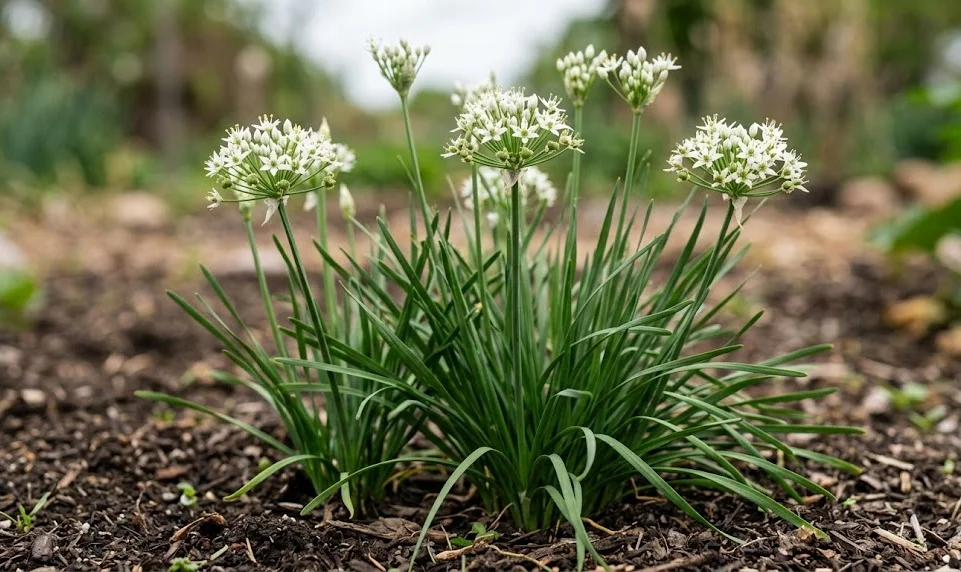

Maintaining a healthy crop of garlic chives requires a proactive approach to identifying and managing various biological threats that can compromise the plants. While these hardy perennials are generally more resistant to pests than many other garden vegetables, they are not entirely immune to problems. Fungal pathogens and specific insect invaders can quickly diminish the quality of the foliage and reduce the overall vigor of the plant. An expert gardener knows that prevention and early detection are the most effective tools for keeping a herb garden thriving and productive throughout the year.
Fungal diseases are among the most common issues faced by cultivators of garlic chives, particularly in humid or overcrowded environments. These pathogens often manifest as spots on the leaves or a fuzzy coating that interferes with the plant’s ability to photosynthesize. Once a fungal infection takes hold, it can spread rapidly through a dense colony if the conditions remain favorable for its growth. Understanding the life cycles of these organisms allows you to take steps that disrupt their development and protect your valuable herbs.
Insects can also pose a significant threat, either by directly feeding on the leaves or by acting as vectors for various plant viruses. Sucking insects like aphids can weaken the plant and cause the foliage to become distorted or discolored, which ruins its culinary appeal. In some cases, the presence of pests is a symptom of underlying stress, such as improper watering or a lack of essential nutrients. Addressing the root cause of the plant’s vulnerability is often the best long-term strategy for managing pest populations in a sustainable way.
Integrated Pest Management, or IPM, is the professional standard for dealing with diseases and pests in a modern agricultural or gardening setting. This approach prioritizes cultural and biological controls over the use of harsh chemical treatments that can harm beneficial organisms. By creating a diverse and balanced ecosystem in your garden, you can encourage natural predators and reduce the likelihood of major outbreaks. A healthy, well-managed garden is its own best defense against the many challenges that nature can present.
Recognizing fungal pathogens
Rust is one of the most recognizable fungal diseases that affects members of the allium family, including the beautiful garlic chives. It appears as small, orange or reddish-brown pustules on the surface of the leaves, which can eventually turn the foliage yellow and cause it to die prematurely. This disease thrives in cool, moist weather and can be spread by wind or by splashing water from the soil. Regularly inspecting the leaves during the spring and autumn will help you catch rust before it becomes a widespread problem.
More articles on this topic
Downy mildew is another fungal threat that can appear as a grayish-purple mold on the undersides of the leaves during damp periods. Affected foliage often becomes pale and may eventually collapse, leading to a significant loss of harvestable material. This pathogen survives in the soil and on infected plant debris, so cleanliness in the garden is essential for its prevention. Ensuring that your garlic chives have plenty of space for air circulation is the best way to keep the leaves dry and less susceptible to mildew.
Root rot can occur if the soil remains excessively wet for long periods, which allows various soil-borne fungi to attack the plant’s underground structures. Symptoms of root rot include wilting that does not improve with watering and a general decline in the plant’s health. If you suspect root rot, you may need to lift the plant and inspect the roots for signs of decay or a foul smell. Improving the drainage of the planting bed is the only way to prevent this serious issue from recurring in the future.
Prevention of fungal diseases is largely a matter of careful management and thoughtful garden design. Avoid watering the plants from above, as wet leaves are the perfect breeding ground for most fungal spores. Instead, use drip irrigation or water the base of the plants directly to keep the foliage as dry as possible. Removing any infected leaves as soon as they are spotted can also help slow the spread of the disease to healthy parts of the clump.
Common insect invaders
Aphids are small, soft-bodied insects that can often be found clustering on the new growth of garlic chives in the early spring. They feed by sucking the sap from the leaves, which can lead to stunted growth and a sticky residue known as honeydew. In some cases, aphids can also transmit viruses that cause permanent damage to the health and productivity of the plant. A strong stream of water from a garden hose can often dislodge these pests and reduce their numbers without the need for chemicals.
More articles on this topic
Thrips are tiny, slender insects that cause silvering or streaking on the leaves as they feed on the plant tissues. While they are difficult to see with the naked eye, the damage they cause is quite distinctive and can make the foliage look unattractive. Thrips thrive in dry conditions, so maintaining consistent soil moisture can actually help deter them from colonizing your garlic chives. Providing a diverse habitat that supports predatory insects like ladybugs is another effective way to keep thrips populations under control.
Onion maggots are the larvae of a specific type of fly that lays its eggs near the base of allium plants in the soil. Once they hatch, the maggots burrow into the bulbs and roots, causing the plants to wilt and eventually die. This pest is more common in areas where alliums have been grown in the same spot for many consecutive years. Rotating your crops and using floating row covers to prevent the adult flies from laying eggs are professional strategies for managing this underground threat.
Slugs and snails are frequent visitors to the herb garden, especially during wet weather or in the cool hours of the night. They can quickly chew large holes in the tender leaves of garlic chives, leaving behind a telltale trail of slime. Hand-picking these pests in the evening or using physical barriers like copper tape can help protect your plants from their voracious appetites. Keeping the area around your chives clear of tall grass and debris reduces the hiding spots for these nocturnal invaders.
Implementing cultural controls
Cultural controls are the most sustainable and effective ways to prevent disease and pest problems before they even start. Choosing the right planting site with excellent drainage and plenty of sunlight is the first step in creating a resilient garden. Healthy plants that are grown in their ideal environment are naturally better at resisting attacks from pathogens and insects. A professional gardener knows that a little bit of planning during the planting phase can save hours of work later in the season.
Crop rotation is a vital practice for anyone growing members of the allium family, as it prevents the buildup of specialized pests and diseases in the soil. You should avoid planting garlic chives in the same location where onions, garlic, or leeks were grown in the previous three years. This simple break in the cycle can significantly reduce the pressure from soil-borne fungi and specialized insect larvae. Even in a small home garden, shifting your herbs to a different bed every few years can make a huge difference in their long-term health.
Sanitation is another critical component of cultural control that involves keeping the garden clean and free of diseased material. At the end of the growing season, remove and dispose of any dead foliage that could harbor pests or spores over the winter. Never put diseased plant material into your compost pile, as the temperatures may not get high enough to kill the pathogens. By maintaining a tidy gardening environment, you are actively reducing the reservoirs of infection that could threaten your plants next year.
Maintaining the proper nutrient and moisture balance is a form of cultural control that keeps the plants’ natural defenses strong. Over-fertilizing with nitrogen can produce soft growth that is particularly attractive to aphids and other sucking insects. Conversely, drought stress can make plants more susceptible to thrips and certain types of fungal infections. Finding the “sweet spot” in your care routine ensures that your garlic chives remain healthy, vibrant, and better able to take care of themselves.
Biological and organic solutions
Biological controls involve using the natural enemies of pests to keep their populations at a manageable level in your garden. Encouraging beneficial insects like lacewings, ladybugs, and parasitic wasps provides a 24-hour defense system against common invaders. You can attract these helpful allies by planting a variety of flowering plants that provide them with pollen and nectar. A garden that is full of life is much less likely to suffer from a catastrophic pest outbreak than a sterile, chemically treated one.
Neem oil is a popular organic treatment that can be used to manage a wide range of insect pests and some fungal diseases. It works by disrupting the life cycle of the insects and preventing them from feeding or reproducing effectively. When using neem oil, it is important to follow the instructions carefully and apply it during the cooler parts of the day to avoid leaf burn. This natural product is relatively safe for beneficial insects if used correctly, making it a valuable tool for the professional organic gardener.
Insecticidal soaps are another effective and low-toxicity option for dealing with soft-bodied pests like aphids and mites. These soaps work on contact by breaking down the outer shell of the insect, leading to dehydration and death. Because they only work on contact, you must ensure that you thoroughly coat the affected parts of the plant, including the undersides of the leaves. Regular applications may be necessary to catch new generations of pests as they emerge throughout the growing season.
Using physical barriers like fine mesh netting or floating row covers can provide a highly effective shield against many flying insect pests. These covers allow light and water to reach the plants while preventing adult flies or moths from reaching the foliage to lay their eggs. This is particularly useful in the early spring when many pests are looking for a place to start their first generation of the year. Physical protection is a simple, chemical-free way to ensure that your garlic chives remain clean and undamaged.
Monitoring and recovery
Regular monitoring is the key to successful pest and disease management, as it allows you to catch problems while they are still small. You should make it a habit to walk through your garden every few days and look closely at the foliage and the base of the plants. Use a magnifying glass if necessary to check for tiny insects or the very first signs of fungal spots. Early intervention is always easier and more effective than trying to save a plant that has already been severely damaged.
If a plant does become infected or heavily infested, the first step in the recovery process is to isolate it from the rest of the garden if possible. Pruning away the most affected parts can help reduce the pressure on the plant and slow the spread of the problem. After handling diseased plants, always clean your tools with a disinfectant to avoid spreading the pathogens to healthy areas. A disciplined approach to tool hygiene is a hallmark of professional horticultural management.
Supporting the recovery of a stressed plant involves providing it with optimal growing conditions until it regains its strength. This might mean providing extra water during a dry spell or a light application of a balanced organic fertilizer to boost growth. Avoid the temptation to over-compensate with heavy feeding, as this can sometimes cause more harm than good to a weakened plant. Patience is often the best medicine, and many garlic chives will bounce back remarkably well if given the right support.
Finally, use every pest or disease incident as a learning opportunity to improve your gardening practices for the future. Take note of which varieties were most resistant and which environmental factors might have contributed to the outbreak. Over time, you will develop a deep understanding of the specific challenges in your garden and how to best manage them. Continuous improvement and observation are what turn a hobbyist into a truly expert gardener with a flourishing and resilient landscape.