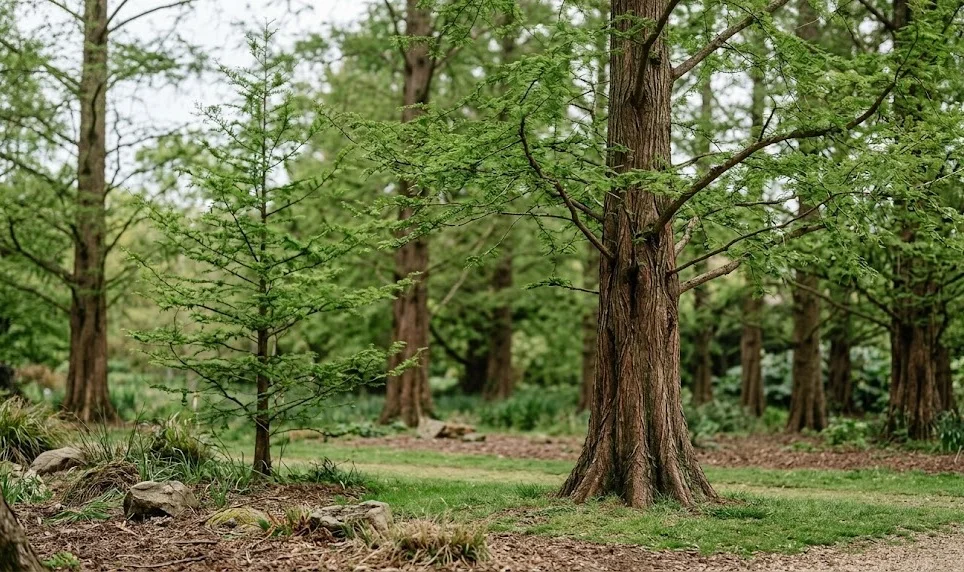

The dawn redwood is a deciduous conifer, meaning it undergoes a significant physiological transformation as it prepares for the challenges of the winter season. Unlike its evergreen relatives, this ancient species sheds its needles entirely, a strategy that helps it survive the weight of heavy snow and the drying winds of winter. Managing this transition correctly is essential for maintaining the health and structural integrity of the tree over the long term. A professional approach to wintering involves both protective measures for young specimens and long-term structural maintenance for mature giants.
As the days grow shorter and temperatures begin to drop, the dawn redwood initiates its dormancy process by withdrawing nutrients from its needles and storing them in its roots and trunk. This is when the foliage turns that iconic copper or reddish-brown color that makes the tree so popular in autumn landscapes. During this phase, it is important to avoid any late-season fertilization, particularly with high-nitrogen products, which can stimulate new growth that is too tender to survive freezing temperatures. Allowing the tree to “harden off” naturally is the first step toward a successful winter.
The deciduous nature of the tree is a fascinating evolutionary adaptation that reduces its surface area and water loss during the time when the ground is frozen. Without needles, the tree is much less likely to suffer from winter desiccation, a common problem for evergreen conifers in cold, windy climates. This lack of foliage also prevents the accumulation of heavy snow and ice on the branches, which can lead to limb breakage. Understanding that the bare winter silhouette is a sign of health, not distress, is fundamental for any gardener tending this species.
While the dawn redwood is generally hardy to USDA zones 5 through 10, young trees are significantly more vulnerable to extreme cold and rapid temperature fluctuations than mature specimens. The thin bark of saplings can be easily damaged by sunscald or frost cracking if not given some level of protection during the first few years. Preparing for winter involves assessing the specific vulnerabilities of each tree based on its age, location, and the severity of the local climate. A little extra care in late autumn can prevent damage that might take years for the tree to outgrow.
Protective measures for young trees
Young dawn redwoods require special attention during their first few winters to ensure they establish a strong enough structure to withstand future cold. One of the most effective ways to protect a young trunk is by using a tree wrap or a plastic guard to shield it from the intense winter sun. This prevents the bark from warming up too much during the day and then freezing rapidly at night, a cycle that causes the tissue to expand and contract until it cracks. These wraps should be applied in late autumn and removed in early spring to prevent moisture and pests from accumulating underneath.
More articles on this topic
The root system of a young tree is also more sensitive to the freezing and thawing cycles of the soil, which can actually push small trees out of the ground in a process known as frost heaving. Applying a thick layer of organic mulch around the base of the tree acts as an insulating blanket, keeping the soil temperature more stable throughout the winter. This mulch should be three to four inches deep and spread in a wide circle, but it must be kept away from the bark of the trunk itself. This simple step can make the difference between survival and death for a newly planted sapling.
Wind protection is another critical factor for young trees, especially in open or exposed areas where winter gales can be relentless. While the dawn redwood is naturally flexible, sustained high winds can dry out the bark and cause physical stress to the young root system. Using a temporary burlap screen or a natural windbreak can provide the necessary shelter for the first few seasons. This protection reduces the overall environmental stress on the tree and allows it to focus its energy on survival rather than physical defense.
Watering is often forgotten during the winter, but it remains important during dry spells when the ground is not frozen. Even in dormancy, the roots and trunk of the tree require a certain amount of hydration to maintain their cellular integrity. If the autumn has been dry and the winter brings little snow or rain, a deep watering on a warm day when the soil is permeable can be very beneficial. This ensures that the tree enters the deepest part of winter with adequate moisture reserves to prevent desiccation.
Understanding and managing frost damage
Frost damage typically occurs during the transition periods of late autumn and early spring when the tree’s growth status is in flux. If a sudden, severe freeze occurs before the tree has fully hardened off in the fall, the tips of the branches can be killed back. Similarly, a late spring frost after the buds have begun to swell can damage the delicate new growth and delay the tree’s development for the season. Monitoring local weather forecasts and providing temporary covers during these transitional freezes can help mitigate the risk.
More articles on this topic
In the event that frost damage does occur, it is important to resist the urge to prune the damaged areas immediately. Waiting until the tree has fully leafed out in late spring allows the gardener to see exactly which parts of the branches are truly dead and which have survived. Often, what looks like significant damage is only superficial, and the tree will quickly recover on its own. Once the extent of the damage is clear, a clean pruning cut back to a healthy bud or branch junction will help the tree heal and regain its shape.
Mature dawn redwoods are incredibly resilient and can withstand temperatures well below zero without significant harm. Their thick, fibrous bark provides excellent insulation for the sensitive cambium layer, and their deep root systems are well-protected from surface freezing. However, even these giants can be affected by unusual weather patterns, such as a prolonged period of extreme cold followed by a rapid thaw. Long-term health management, including proper watering and nutrition during the growing season, is the best way to build the inherent strength a tree needs for winter.
Ice storms present a unique challenge, as the weight of accumulated ice can be far greater than even the heaviest snow. While the dawn redwood is more flexible than many other trees, extreme ice loading can still lead to major limb failure. If a tree is heavily coated in ice, it is usually best to let it melt naturally rather than trying to knock it off, which can cause more damage to the brittle frozen wood. After the storm has passed, a professional arborist should be consulted to assess the structural integrity of large trees and perform any necessary corrective pruning.
Long-term winter resilience strategies
Building winter resilience is a multi-year process that starts with proper site selection and continues through every phase of the tree’s care. Avoiding low-lying “frost pockets” where cold air settles can significantly reduce the risk of late-season damage to new growth. Planting the tree in a location with good air drainage and some protection from the prevailing winter winds provides it with a more favorable microclimate. These strategic decisions made at the time of planting pay dividends every winter for the life of the tree.
Soil health and the presence of beneficial mycorrhizal fungi also play a role in the tree’s ability to survive the winter. A healthy root system that is well-integrated into the soil ecosystem can better access moisture and nutrients, leading to a more robust and resilient tree. Encouraging a natural forest floor environment around the base of the dawn redwood supports these underground allies. By focusing on the health of the entire system, the gardener ensures that the tree has the biological resources it needs to face any winter challenge.
Observation and record-keeping are the final pieces of a professional wintering strategy. Documenting how the tree reacts to different winter conditions over several years helps the gardener predict its needs and refine their care routine. This localized knowledge is invaluable for making informed decisions about when to apply protection and when it is safe to let the tree stand on its own. Each winter is a learning experience that contributes to the long-term success and majesty of the dawn redwood in the landscape.
Ultimately, wintering a dawn redwood is about respecting the natural rhythms of this ancient and remarkable species. By providing the right support at the right time, you allow the tree to navigate the cold months and emerge vibrant and ready for the explosive growth of spring. The sight of a dawn redwood’s bare, structural beauty against a winter sky is a reminder of its ancient resilience and its enduring place in our modern gardens. Proper winter care is a small price to pay for the decades of beauty and grandeur that these trees provide.