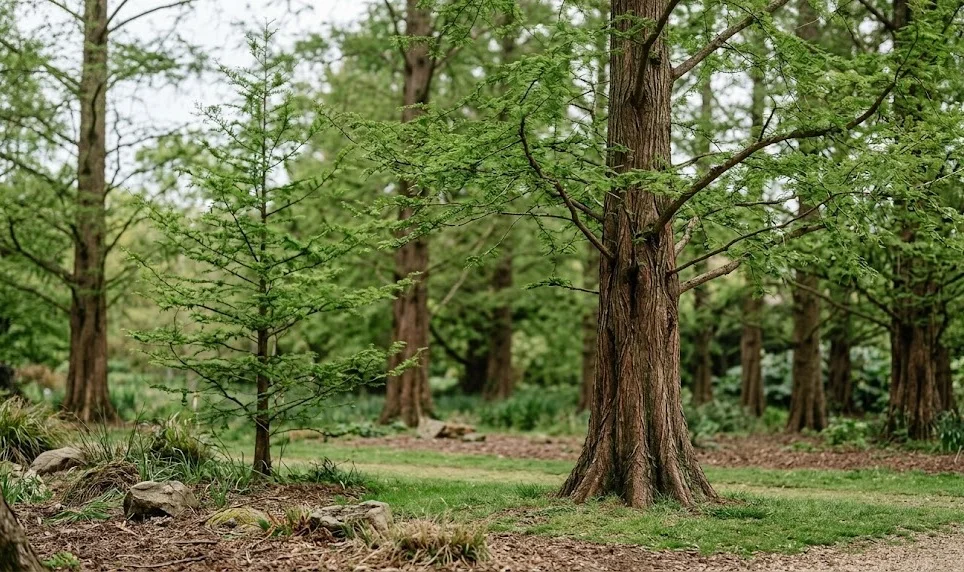

While the dawn redwood is generally considered a robust and resilient species, it is not entirely immune to the pressures of diseases and pests. In its native habitat, it evolved alongside various pathogens and insects, maintaining a natural balance that is sometimes disrupted in ornamental landscapes. Identifying potential threats early and understanding the underlying causes of stress is essential for any professional gardener or arborist. A proactive approach to plant health management ensures that this ancient tree continues to thrive without significant setbacks from biological stressors.
The most common diseases affecting the dawn redwood are often fungal in nature, frequently thriving in conditions of excessive moisture and poor air circulation. Needle cast and various leaf spots can cause the foliage to brown prematurely and drop, which can be alarming to the tree’s owner. While these infections are rarely fatal for a mature and healthy tree, they can significantly reduce its aesthetic value and weaken younger specimens. Ensuring that trees are properly spaced and that irrigation is directed at the soil rather than the foliage are the first lines of defense.
Cankers are another serious concern, especially in regions where the tree may be pushed to its limits by environmental stress or extreme weather. These localized areas of dead bark and underlying wood can girdle branches or even the main trunk if left unmanaged. Cankers are often the result of opportunistic fungi or bacteria entering the tree through wounds caused by pruning, storms, or mechanical damage. Maintaining overall tree vigor through proper watering and nutrition is the most effective way to help the dawn redwood resist and wall off these infections.
Environmental stress is often the silent precursor to many disease outbreaks, as a weakened tree has fewer resources to dedicate to its natural defense mechanisms. Drought, soil compaction, and nutrient deficiencies can all make the dawn redwood more susceptible to pathogens that it would otherwise easily overcome. Professional monitoring involves looking beyond the immediate symptoms to identify the root cause of the tree’s vulnerability. Correcting these underlying issues is often more effective and sustainable than relying solely on chemical treatments and fungicides.
Managing common insect pests
Insect pests are generally less of a problem for the dawn redwood than for many other coniferous species, but a few specific culprits do exist. Japanese beetles are known to feed on the feathery foliage of young trees, sometimes causing significant defoliation during peak summer months. While mature trees can usually withstand this damage, young saplings may require protection or intervention to prevent their growth from being stunted. Hand-picking the beetles or using targeted, low-impact insecticides can help manage their populations without harming beneficial insects.
More articles on this topic
Spider mites can become an issue during hot, dry periods when the tree is already struggling with moisture stress. These tiny arachnids feed on the sap of the needles, causing them to turn yellow or bronze and take on a dusty, unhealthy appearance. Because spider mites thrive in dusty and dry conditions, keeping the tree well-hydrated and occasionally rinsing the foliage with water can discourage their presence. If the infestation is severe, horticultural oils or miticides may be necessary to bring the population back under control.
Aphids and scale insects occasionally find a home on the succulent new growth or the bark of the dawn redwood. These sap-sucking insects can weaken the tree and excrete a sticky substance known as honeydew, which often leads to the growth of unsightly sooty mold. Encouraging natural predators like ladybugs and lacewings is a highly effective way to manage these pests in a sustainable garden environment. In cases where the natural balance is lost, a systemic treatment or a thorough application of insecticidal soap can resolve the problem.
Bagworms are a more visible pest that can occasionally be found hanging from the branches of the dawn redwood in their distinctive silk-and-needle cocoons. These caterpillars can be highly destructive if they are allowed to multiply, as they can quickly strip large sections of the canopy. The most effective control method for a small number of bagworms is simply to pick them off by hand and destroy them. For larger infestations or very tall trees, biological controls like Bacillus thuringiensis (Bt) can be used when the larvae are young and actively feeding.
Fungal infections and needle cast
Fungal pathogens like Cerospora or Dothistroma can cause needle cast diseases that primarily affect the interior and lower portions of the canopy. These fungi produce spores that spread through splashing water and wind, making wet springs particularly risky for infection. Infected needles often develop dark spots or bands before turning brown and falling off the tree. While a single year of infection is rarely a disaster, repeated defoliation can deplete the tree’s energy reserves and slow its growth significantly.
More articles on this topic
Improving the microclimate around the tree is the most effective long-term strategy for managing fungal diseases. Thinning out overcrowded branches and removing competing vegetation allows more sunlight and air to reach the interior of the tree, creating a drier environment that is less hospitable to fungi. Raking up and disposing of fallen needles in the autumn can also help reduce the amount of overwintering inoculum in the soil. These cultural practices are often more effective than chemical sprays, which can be difficult to apply thoroughly to a large tree.
Root rot, caused by pathogens like Phytophthora, is a serious threat to dawn redwoods planted in poorly drained or excessively wet soil. This disease attacks the root system, preventing the tree from taking up water and nutrients and eventually leading to its collapse. Symptoms often include a general decline in vigor, thinning of the canopy, and a characteristic darkening of the roots. Preventing root rot is primarily a matter of proper site selection and ensuring that the soil does not remain saturated for extended periods.
In some cases, the use of preventative fungicides may be warranted, especially for high-value specimens in areas with a history of severe disease pressure. These treatments are most effective when applied in early spring as the new needles are emerging and are most vulnerable to infection. It is essential to work with a certified arborist to ensure that the correct product is used and that it is applied safely and according to the label instructions. However, chemical intervention should always be seen as a supplement to, rather than a replacement for, good cultural care.
Identifying and preventing cankers
Cankers are often the most physically damaging diseases for the dawn redwood, as they can cause significant dieback and structural weakness. Cytospora canker is one of the more common types, appearing as sunken, discolored areas on the bark that may ooze resin or sap. These infections often start on smaller twigs and work their way back toward the main branches and trunk. Pruning out infected branches well below the visible canker is the best way to stop the spread of the disease within the tree.
Preventing wounds is the most important factor in avoiding canker infections, as the pathogens usually require an opening in the bark to enter. Careless use of lawnmowers or string trimmers near the base of the tree is a common cause of trunk wounds that later become infected. Using a wide mulch ring around the tree provides a safe buffer zone that keeps equipment away from the sensitive bark. Pruning should only be done during dry weather using clean, sharp tools to ensure the wounds heal as quickly as possible.
Environmental factors like sunscald and frost cracks can also create openings that allow canker pathogens to take hold. Sunscald occurs when the thin bark of young trees is exposed to intense winter sun, causing the tissue to warm up and then freeze rapidly at night. Wrapping the trunks of young dawn redwoods during the winter can provide protection from these temperature extremes and the resulting bark damage. Once the tree matures and develops thicker, more textured bark, it becomes much more resistant to these types of physical injuries.
Monitoring the tree for unusual sap flow or localized areas of dead bark should be part of a regular health inspection routine. If a canker is detected on the main trunk, the situation is more serious and may require professional intervention to save the tree. Surgical removal of the infected tissue and specialized bark treatments can sometimes be effective, but the results are not always guaranteed. Ultimately, a tree that is kept in peak health through proper siting and care is the best defense against the devastating effects of canker diseases.
Holistic pest and disease management
A modern, professional approach to the health of the dawn redwood involves Integrated Pest Management (IPM), which prioritizes long-term prevention and low-impact solutions. This strategy starts with the selection of healthy nursery stock and the careful preparation of the planting site to minimize environmental stress. Regular monitoring allows for the detection of issues while they are still small and manageable, reducing the need for aggressive chemical interventions. By understanding the life cycles of both the tree and its potential enemies, the gardener can intervene at the most effective times.
Biodiversity in the surrounding landscape plays a crucial role in maintaining a healthy balance of insects and microorganisms. Planting a variety of native species around the dawn redwood attracts beneficial predators that keep pest populations in check naturally. Avoiding the over-use of broad-spectrum pesticides is essential, as these chemicals often kill the helpful insects along with the pests, leading to secondary outbreaks. A garden that functions as a complete ecosystem is much more resilient and requires less intensive management from the gardener.
Record-keeping is another important tool for the professional arborist or dedicated hobbyist. Tracking the timing of pest arrivals, the severity of disease outbreaks, and the tree’s response to various treatments provides valuable data for future care. This information allows for more accurate predictions and more effective timing of any necessary interventions in subsequent years. Over time, this localized knowledge becomes the foundation for a highly successful and efficient health management program.
The dawn redwood has survived for millions of years by being adaptable and resilient, and with the right care, it will continue to thrive in our modern world. While diseases and pests are a natural part of the environment, they do not have to be a death sentence for your trees. By providing a supportive environment, monitoring for early signs of trouble, and using targeted, professional management techniques, you can protect these ancient giants for the future. The health and beauty of a well-tended dawn redwood are a source of pride and a legacy for generations to come.