
As the autumn days grow shorter and the air turns crisp, perennials must prepare themselves for the freezing temperatures ahead. Among the various members of their botanical family, these specific shrubs are celebrated for their exceptional cold hardiness. They can withstand truly freezing winters without suffering the extensive dieback that plagues more sensitive flowering varieties. Recognizing how these plants interact with the cold helps you tailor your winter preparation routine perfectly.
Unlike varieties that form their flower buds on old wood during the previous summer, these shrubs bloom exclusively on new spring growth. This biological characteristic means that even if the tips of the branches are bitten by extreme winter frost, your summer flower display is safe. The plant naturally protects its most vital reproductive blueprints deep within its dormant woody framework. This resilience makes them a incredibly reliable choice for gardeners living in northern, colder climates.
However, young, newly planted shrubs that have not yet established a deep root system require a bit more attention during their first winter. Their tender roots are located closer to the soil surface, where temperature fluctuations are most severe. Taking a few protective steps during their initial dormant season ensures they survive to become rugged, mature specimens. Understanding this age-based vulnerability allows you to allocate your winterizing efforts efficiently.
The transition into dormancy is a gradual process triggered by dropping temperatures and changing light levels in late autumn. The plant stops producing new leaves and begins moving valuable sugars down into the root system for safe keeping. This natural shutdown mechanism hardens the wood, making it increasingly resistant to structural freezing. Respecting this natural cycle means avoiding any human interventions that might disrupt this beautiful, protective transition.
Autumn cleanup and soil insulation techniques
Once the leaves have completely fallen from the branches, clearing away the debris around the base of the shrub is a great practice. Fallen foliage can sometimes harbor overwintering fungal spores or pest eggs that are looking to emerge in the spring. Removing this material breaks the life cycle of these troublesome organisms, leading to a much cleaner start next year. Disposing of the debris far away from your active garden beds keeps the immediate environment healthy.
More articles on this topic
Insulating the root zone is the next critical step in ensuring your shrubs emerge from the winter cold without damage. Apply a fresh, three- to four-inch layer of organic mulch, such as shredded hardwood or clean straw, over the entire root area. This insulating blanket acts as a buffer, keeping soil temperatures stable and preventing the ground from rapidly freezing and thawing. This stability protects the delicate outer feeding roots from being torn by shifting soil layers.
When applying your winter mulch, always remember to leave a clear gap around the main woody base of the plant. Piling mulch directly against the bark can trap unwanted moisture and create a dark environment that invites gnawing rodents. Mice and voles are often searching for food in the winter and can chew through the bark, girdling the stem. A small, clear space around the trunk keeps the wood dry and safe from these hungry visitors.
Ensuring the soil has adequate moisture before the ground freezes solid is another highly effective insulation technique. Dry winter winds can extract moisture from dormant stems rapidly, leading to a condition known as winter desiccation. Delivering a final, deep watering in late autumn gives the roots a healthy reserve of moisture to draw upon during dry winter stretches. Wet soil also holds heat significantly better than completely dry earth, providing natural warmth to the roots.
Protecting structural integrity from heavy snow
The unique, upright branch architecture of these mature shrubs can sometimes become a liability when heavy, wet snow begins to accumulate. The dense network of branches creates a broad platform that easily catches and holds falling winter precipitation. If the weight becomes too great, major structural limbs can split or snap away from the main trunk. Proactive steps can safeguard the physical form of your plants from these heavy winter burdens.
More articles on this topic
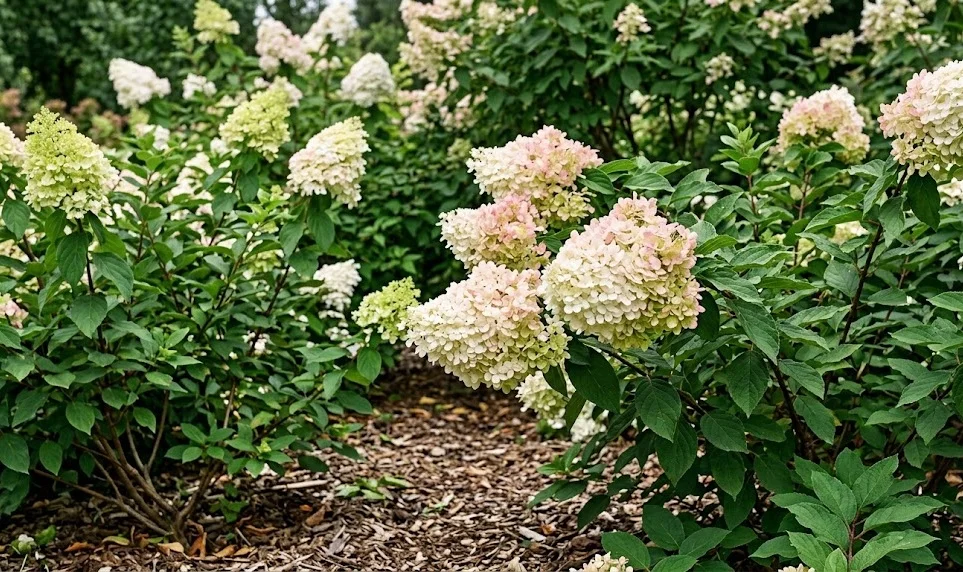
If you choose to leave the large, dried summer flower heads on the plant for winter interest, be aware that they act like snow magnets. Wet snow clings to the intricate structures of the dried panicles, rapidly increasing the weight on individual stems. If heavy snowstorms are common in your region, consider cutting these old blooms off in late autumn as a preventative measure. Removing the old flowers drastically reduces the surface area available for snow accumulation.
For exceptionally large or loosely structured shrubs, gently binding the main canes together with soft twine can provide excellent structural reinforcement. Wrap the twine loosely around the perimeter of the plant, drawing the branches inward into a tighter, more cohesive column. This shared structural support prevents individual limbs from bending outward and snapping under a heavy snow load. Be sure to use soft materials that will not cut into or scar the bark during high winds.
After a major winter storm, walk through your landscape to gently brush accumulated snow off the branches using a broom or your hands. Always use an upward sweeping motion to lift the weight off the wood carefully rather than pushing down on it. If the branches are frozen solid, avoid shaking them violently, as frozen wood becomes brittle and breaks easily. A gentle, patient touch is all that is needed to relieve the physical stress on your plants.
Early spring transition and waking up the plants
As the winter cold begins to recede and the ground thaws, the shrub will slowly begin its journey toward spring reawakening. You will notice the tiny buds along the canes starting to swell and display a hint of green as the days lengthen. This transitional period is an exciting time for gardeners, signaling that it is time to shift from protection back to active management. Observing this early activity helps you time your spring maintenance perfectly.
Remove any structural twine or temporary windbreaks you installed before the arrival of the spring growth rush. Allowing the branches to return to their natural orientation ensures they receive even sunlight from all angles. Check the condition of the winter mulch around the base, pulling it back if it has shifted against the main stems. This adjustment allows the soil surface to warm up quickly under the strengthening spring sun.
Inspect the entire framework for any winter damage that may have occurred during the coldest months. Look for cracked bark, broken tips, or stems that appear completely shriveled and lifeless from winter winds. Making clean cuts just below any damaged areas removes potential entry points for spring pests and diseases. This clean-up process opens up the canopy, directing the plant’s early energy into healthy, productive tissue.
Once the danger of severe, hard freezing has passed, you can safely proceed with your primary annual maintenance routines. The deep root system, protected by your winter care, is now fully charged and ready to launch fresh stems. Embracing the changing seasons with a structured care plan ensures your garden remains a dynamic, evolving source of joy. Your winter efforts lay the groundwork for another spectacular summer transformation.