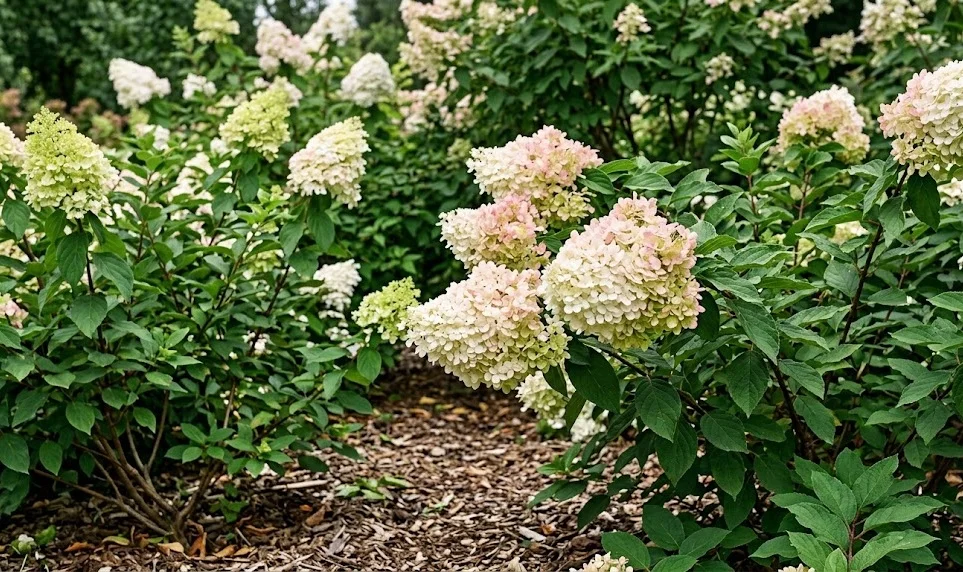

Cultivating structurally sound and heavily flowering shrubs requires a mastery of seasonal cutting techniques. Unlike other members of their diverse family, these specific hydrangeas produce their blossoms exclusively on the fresh wood grown during the current season. This unique biological trait gives gardeners incredible flexibility and removes the fear of accidentally cutting away next year’s flowers. Understanding the precise timing of this intervention ensures your plants respond with maximum vigor.
The absolute best window of opportunity for pruning opens in the late winter or early spring, just before the plant wakes up. Executing your cuts while the shrub is completely dormant minimizes stress and prevents the loss of valuable sap. It also allows you to see the naked structural framework of the branches clearly without the distraction of leaves. This clear view makes it much easier to decide which canes to keep and which to remove.
Avoid the temptation to prune these shrubs during the late autumn months when they are first entering their winter rest. Cutting the wood late in the year can stimulate the plant to produce tender new shoots if an unexpected warm spell occurs. This late-season growth will not have the time required to harden off properly before the arrival of severe winter freezes. Leaving the canes intact through the winter protects the core of the plant from cold damage.
If you miss the early spring window and the plant begins to leaf out, you can still perform light, corrective trim work. However, avoid heavy, drastic cuts once the active growing season is fully underway, as this can delay the summer flowering cycle. The plant will have to expend double the energy to replace the lost foliage and establish new flower stems. Respecting the natural annual timeline ensures your interventions work in perfect harmony with the plant’s internal clock.
Structural pruning for strong supporting branches
The primary goal of structural pruning is to build a strong, woody framework capable of holding massive summer flowers high above the ground. Without intentional guidance, these rapid growers can produce an abundance of thin, spindly stems that will easily flop over during rainstorms. Begin by removing any branches that are dead, damaged, or showing signs of internal structural decay. Clearing away this useless wood immediately improves the overall health and safety of the plant.
More articles on this topic
Next, focus your attention on eliminating any weak, crossing branches that rub against each other within the inner canopy. Friction between rubbing stems can create open wounds on the bark, creating entry points for pests and airborne pathogens. Thinning out the interior of the shrub opens up the canopy, allowing sunlight and fresh air to move freely through the core. This increased circulation dries the inner leaves quickly, lowering the risk of fungal leaf spots.
When shortening the remaining healthy canes, always look for a strong pair of upward-facing buds and make your cut just above them. Cut at a slight, clean angle sloping away from the buds to ensure rainwater drains away from the fresh wound cleanly. Leaving roughly two to three pairs of buds on each structural cane from the previous year’s growth is an excellent baseline. This targeted reduction forces the plant to channel its spring energy into fewer, significantly stronger new shoots.
The severity of your cuts will directly influence the size and quantity of the summer flowers that follow. Hard pruning, where you cut the plant back significantly, results in fewer but absolutely massive, dramatic flower panicles. Conversely, a lighter touch will yield a greater abundance of smaller, more delicate blossoms across a wider bush structure. Tailoring your cutting style allows you to customize the visual impact of the shrub to match your design goals.
Rejuvenation cutting for neglected or overgrown shrubs
Over the years, a completely unmaintained shrub can become an unruly, tangled thicket of old, unproductive wood. When a plant reaches this overgrown state, its flowering performance will naturally decline, resulting in small, sparse panicles. Fortunately, these resilient woody perennials respond beautifully to drastic rejuvenation techniques designed to completely reset their growth. You can reclaim control of a neglected asset with a bold, strategic approach.
More articles on this topic
Rejuvenation cutting involves cutting the entire plant down significantly, leaving just a low framework of strong wood near the base. This heavy intervention should only be executed in the early spring while the plant is still completely asleep. Use a sharp, high-quality pruning saw to make clean cuts through the heavy, mature canes without tearing the bark. This radical reduction triggers a powerful survival response, forcing the deep root system to push out fresh shoots.
During the subsequent spring and summer, the plant will focus its immense energy reserves on rebuilding its vegetative structure rapidly. You will see strong, vibrant canes rising from the base, carrying large, deep green leaves that breathe new life into the space. Keep the recovering shrub well-watered during this intensive rebuilding phase to support the rapid tissue expansion. This initial year is all about restoring structural health and cellular vitality to the plant.
By the second season following a major rejuvenation cut, you can begin shaping the fresh wood into a beautifully balanced form. Select the strongest, most upright new canes to form the future backbone of the shrub, removing any weak or crowded shoots. This step-by-step renewal process completely transforms an unsightly garden problem into a proud, productive focal point. Embracing the power of renewal ensures your landscape elements remain vibrant for decades to come.