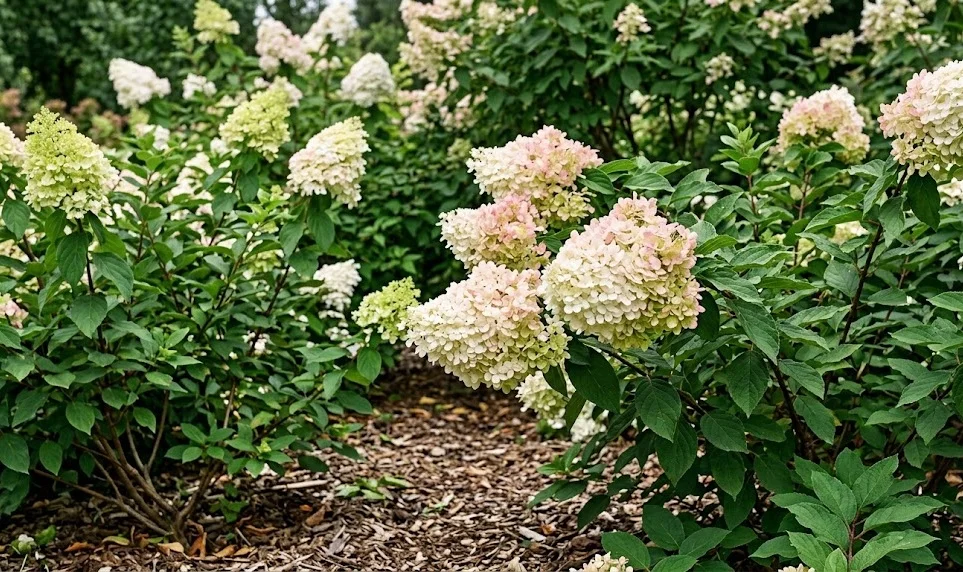

Every plant species possesses a unique relationship with solar radiation, which governs its ability to photosynthesize and produce magnificent blossoms. Among their shade-loving relatives, these specific hydrangeas stand out for their profound love of bright, sunny environments. To unlock their full potential, you must carefully study how sunlight moves across your landscape throughout the day. Providing the correct light exposure is the single most effective way to ensure abundant summer flowers.
In northern or temperate gardening zones, these hardy shrubs can easily tolerate full, unfiltered sunlight from morning until evening. The abundant energy from the sun fuels rapid stem growth and leads to the production of exceptionally large, dense flower panicles. When grown in bright light, the stems develop a sturdier, more woody character that supports heavy blooms easily. If you want the most dramatic flowering performance possible, prioritize a bright, open location.
However, if you reside in a southern region characterized by intense, scorching summer climates, a modified light strategy is beneficial. In these warmer zones, providing a spot that offers bright morning sun followed by filtered afternoon shade is ideal. This configuration grants the plant the energy it needs early in the day while protecting it from the most stressful heat. Balancing light and temperature keeps the foliage looking crisp and vibrant all season long.
When these shrubs are planted in dense, permanent shade, their growth habits alter dramatically in a bid to find light. The stems become elongated, weak, and leggy as they stretch toward any available light source. The foliage may remain green, but the production of flower buds will drop off significantly, leading to a disappointing display. Recognizing these light-driven behaviors allows you to position your plants for ultimate success.
Impacts of intense afternoon sun on blooms
While these plants love the sun, the extreme heat that accompanies the peak afternoon hours can sometimes test their physical limits. When subjected to intense sun during prolonged droughts, the large leaves may temporarily lose their internal pressure and wilt. This drooping is a natural defensive reaction designed to minimize the surface area exposed to the burning rays. Understanding this response prevents you from panicking when your plants look tired on a hot July afternoon.
More articles on this topic
The magnificent flower panicles themselves can also show signs of stress if the afternoon light becomes too intense and drying. The delicate, individual florets may develop dry, papery edges that turn brown prematurely, interrupting the smooth color transition. This sun-scorch can diminish the overall beauty of the blooms as they attempt to shift from white to pink tones. Monitoring the moisture levels in the soil during these peak heat cycles mitigates this aesthetic damage.
To help your shrubs withstand the intense afternoon sun, ensuring deep soil moisture is absolutely paramount. When the roots have access to a reliable supply of water, the plant can cool itself effectively through the process of transpiration. Think of a well-hydrated soil matrix as a protective shield that allows the plant to enjoy the sun without suffering burn. Combining ample sunlight with proper irrigation unlocks the absolute best version of the shrub.
If you notice chronic leaf scorch year after year despite consistent watering, it may indicate that the local microclimate is simply too intense. Reflected heat from nearby concrete driveways, brick walls, or gravel mulches can intensify the sun’s power to dangerous levels. In such cases, introducing a taller companion tree to cast a light, dappled shadow during the hottest hours can work wonders. Adapting your design to the realities of local heat ensures long-term plant health.
Managing growth in fully shaded environments
Sometimes, existing garden layouts mean that finding a perfectly sunny spot is an impossible luxury for home growers. If you must cultivate these shrubs in a shaded environment, you can adapt your maintenance routines to support the plant. Recognize that a shaded shrub will naturally grow slower and require less water than its sun-drenched counterparts. Adjusting your irrigation frequency prevents the root zone from becoming a stagnant, waterlogged swamp.
More articles on this topic
Pruning takes on an enhanced role when managing a panicle hydrangea that struggles with limited light availability. Because shade leads to thinner, more flexible branches, you must trim the plant back carefully to encourage structural thickness. Cutting the stems back to strong, low nodes in early spring helps counteract the natural tendency toward legginess. This deliberate structural management prevents the shrub from collapsing into an untidy, flopping mess later in summer.
You can also improve light penetration manually by thinning out surrounding overhanging tree canopies or nearby dense vegetation. Limb up lower tree branches to allow more ambient, indirect light to flood the area underneath from the sides. Even subtle increases in indirect light can significantly boost the shrub’s photosynthetic capacity and improve bud count. Small adjustments to the surrounding landscape environment can yield noticeable rewards in bloom quality.
Accept that while a shaded plant will still bring beautiful green architecture to your garden, its flowering will be soft and delicate. The panicles will likely be smaller, looser, and may remain a creamy green color rather than shifting to deep rose tones. Embracing this subtle, understated aesthetic allows you to appreciate the plant for what it can offer in challenging spots. Matching your expectations to the environmental realities creates a peaceful, successful gardening experience.