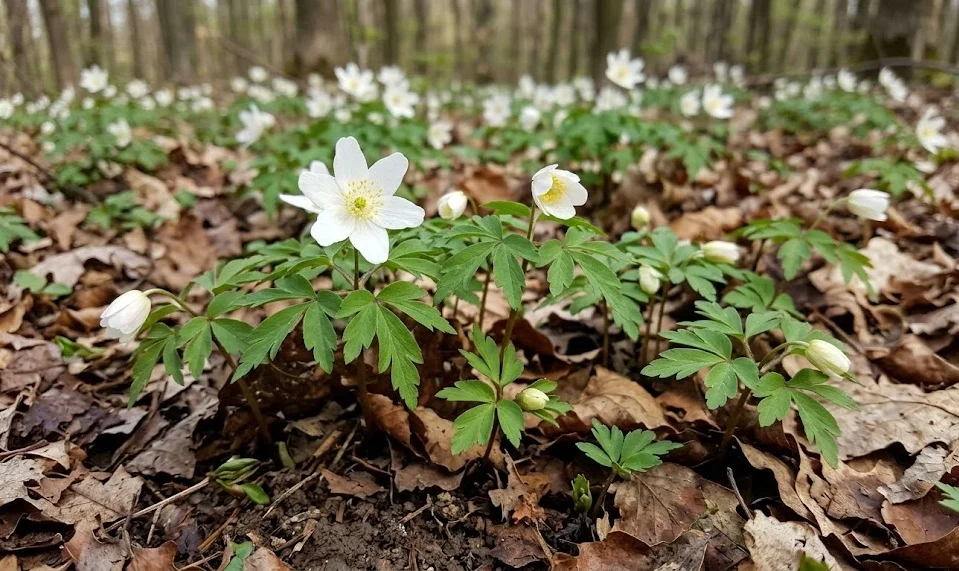

Proper hydration and nutritional support are the lifeblood of a healthy wood anemone colony, especially during its short but vigorous growing season. While these plants are relatively low-maintenance once established, their specific needs for moisture and minerals must be met to ensure abundant flowering. Because they inhabit the forest floor, they have adapted to a cycle of spring dampness followed by a drier summer dormancy. Mastering this balance is essential for any gardener looking to maintain a professional-quality woodland display.
The most critical window for watering wood anemones is from late winter, when the first buds move, until the foliage dies back in early summer. During this time, the plant is rapidly building tissue and needs a steady supply of water to transport nutrients from the soil. You should check the soil moisture daily if the spring is unusually dry or windy, as the shallow rhizomes can dry out quickly. A gentle soaking that reaches several inches deep is far more effective than frequent, shallow misting.
Watering should always aim to mimic the soft, consistent rainfall of a temperate forest rather than a heavy downpour. You should use a watering can with a fine rose or a soaker hose to prevent soil erosion and avoid damaging the delicate petals. It is best to water in the early morning so that any moisture on the leaves can dry before the evening, reducing the risk of fungal diseases. Keeping the root zone cool and hydrated allows the flowers to remain open longer and the foliage to stay vibrant.
Once the plant enters its summer dormancy, your watering strategy must change dramatically to prevent the rhizomes from rotting. While you should not let the ground become completely parched, the anemone does not require active irrigation during its resting phase. If you have other plants nearby that need frequent water, ensure that the anemone patch has excellent drainage to shed the excess. The goal is to maintain a slightly damp, cool environment without creating the waterlogged conditions that lead to rhizome death.
Nutritional requirements and timing
Fertilizing wood anemones requires a subtle hand, as these plants are easily overwhelmed by concentrated synthetic chemicals. In their natural habitat, they rely on the slow decomposition of organic matter, which provides a steady but low-level supply of nutrients. You should aim to replicate this by focusing on soil health rather than high-potency liquid feeds. The best time to provide nutritional support is in the early autumn, just before the rhizomes begin their internal preparation for spring.
More articles on this topic
A well-balanced organic fertilizer or a layer of rich garden compost is the ideal choice for these woodland perennials. You should look for products that are higher in phosphorus and potassium to support root development and flower production. Avoid high-nitrogen fertilizers, as these can promote excessive leaf growth at the expense of the flowers and make the plant more susceptible to pests. A slow-release approach ensures that the nutrients are available exactly when the plant wakes up in the late winter.
If you notice that your wood anemones have pale leaves or are producing fewer flowers than usual, a supplemental spring feeding may be necessary. You can apply a very diluted, balanced liquid organic fertilizer once the first leaves have fully expanded. This provides a quick energy boost during the peak of the growing season without risking the health of the rhizomes. Always water the soil before and after applying any fertilizer to ensure even distribution and prevent root burn.
Understanding the role of soil pH in nutrient availability is also vital for the professional maintenance of wood anemones. In soil that is too alkaline, certain essential minerals like iron and manganese become chemically locked away from the plant. You should monitor the pH levels and use acidifying organic matter, like pine needles or leaf mold, if the soil becomes too basic. Maintaining a slightly acidic environment ensures that the water you provide can actually carry the necessary nutrients into the plant.
Organic matter as natural fertilizer
The most effective “fertilizer” for a wood anemone is not found in a bottle but in the form of high-quality organic mulch. Leaf mold, which is simply decomposed tree leaves, is the gold standard for nourishing these plants over the long term. You should apply a fresh layer of leaf mold every year to replenish the humus content of the soil and provide a habitat for beneficial soil life. This organic layer acts as a biological filter, regulating the flow of water and nutrients to the shallow rhizome network.
More articles on this topic
Using composted bark or wood chips can also provide structural benefits to the soil while slowly releasing nutrients as they break down. You should choose materials that are well-aged, as fresh wood chips can temporarily strip nitrogen from the soil during the decomposition process. This natural mulch layer also prevents the soil from crusting over, which allows rainwater to penetrate more easily to the roots. It creates a spongy texture that retains moisture during dry spells, reducing the need for manual watering.
The presence of earthworms and other soil organisms is a sign that your organic fertilization strategy is working. These creatures help to incorporate the organic matter into the deeper soil layers and create tunnels that improve aeration and drainage. You should avoid using chemical pesticides that can harm these beneficial inhabitants, as they are essential partners in maintaining soil fertility. A healthy, living soil is the most sustainable way to ensure your wood anemones have everything they need to thrive.
In some cases, you might consider using “green manures” or companion plants to naturally fix nutrients in the soil. However, for wood anemones, the simplest approach of top-dressing with organic matter is usually the most effective. It avoids the need for digging or disturbing the soil, which can be detrimental to the sensitive rhizomes. By consistently adding high-quality organic material, you are building a reservoir of fertility that will support the colony for many years to come.
Managing summer moisture levels
The transition from the active spring phase to summer dormancy is a delicate time for managing the water needs of wood anemones. You should gradually reduce the frequency of watering as you see the foliage beginning to yellow and wilt. This signals to the plant that it is time to move its energy into the underground rhizome and prepare for rest. Forcing the plant to stay green with excessive water can disrupt its natural cycle and weaken its overall health.
During particularly hot and dry summers, the soil can become so dry that it begins to pull away from the rhizomes, causing them to dehydrate. You should provide a light, deep watering once every two weeks during such extremes to keep the underground environment stable. The goal is not to trigger new growth but to prevent the dormant tissues from becoming irreversibly damaged by heat. A thick mulch layer is your best defense during this time, as it keeps the soil temperature much lower than the air temperature.
If your garden has a high water table or heavy clay soil, you must be extra cautious during the summer months. Excess moisture during the dormant period is the leading cause of rhizome rot, which can wipe out an entire colony in a single season. You should ensure that the planting area is well-mulched to prevent heavy summer rain from compacting the soil surface. Improving the local drainage by adding grit or organic matter is a long-term solution to this common problem.
Monitoring the moisture levels under the mulch can be done simply by feel; the soil should feel cool and slightly damp, like a wrung-out sponge. You should avoid using automated irrigation systems in anemone patches, as they often provide too much water during the wrong times. A manual, observant approach allows you to adjust your care based on the actual weather conditions and the plant’s current state. This level of professional attention ensures the rhizomes remain healthy and ready to burst into life next spring.
Water quality and application methods
The quality of the water you use can have a subtle but significant impact on the health of your wood anemones over time. Rainwater is always the best choice, as it is naturally soft and free from the chlorine and minerals found in many municipal water supplies. If you have the space, installing a rain barrel is an excellent investment for a woodland garden. Using room-temperature rainwater prevents the thermal shock that can occur when using very cold water from a tap on a warm spring day.
When applying water, you should aim for the base of the plants rather than spraying the foliage and flowers directly. Water sitting on the delicate petals can cause them to spotting or collapse prematurely, ruining the aesthetic display. Using a long-necked watering can allows you to get under the leaves and deliver the moisture exactly where it is needed most. This targeted approach also helps to keep the surrounding soil surface drier, which can discourage the growth of weeds.
If you have a large colony of wood anemones, a seep or drip irrigation system hidden under the mulch can be very effective. This method delivers a slow, steady supply of water directly to the soil, minimizing evaporation and runoff. You should set the system to run for longer periods at a lower frequency to encourage deep root growth. Professional gardeners often use timers to ensure that the watering happens in the pre-dawn hours, which is the most efficient time for the plants.
Finally, always observe how the water moves through your planting area after a heavy rain or irrigation session. If you see water pooling or running off quickly, it is a sign that the soil structure needs improvement or the mulch is too thin. Adjusting your application methods and soil preparation based on these observations will lead to a more resilient garden. Consistent, high-quality watering and thoughtful fertilization are the keys to a spectacular wood anemone display that improves every year.