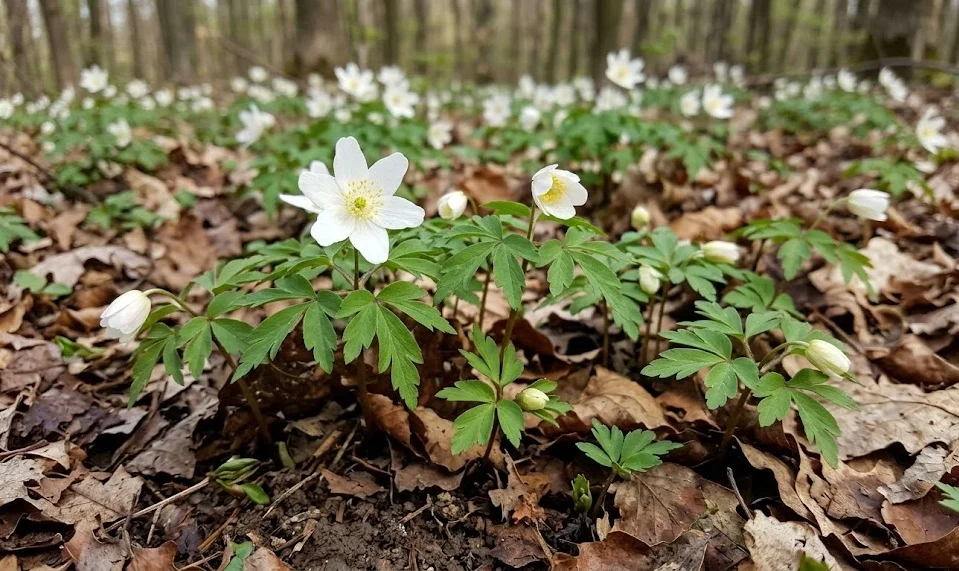

Caring for the wood anemone requires a deep understanding of its natural woodland habitat to ensure it thrives in a garden setting. This delicate perennial is a herald of spring, often forming vast carpets of white flowers under the canopy of deciduous trees. To achieve this effect at home, you must replicate the cool, moist, and shaded conditions it enjoys in the wild. Proper attention to the soil, moisture levels, and seasonal cycles will reward you with a breathtaking display every year.
The timing of care is perhaps the most critical factor when dealing with this specific species. Since it is a spring ephemeral, the plant completes its entire above-ground life cycle before the forest canopy closes in summer. You should monitor the emergence of the first leaves in late winter to prepare for the active growing season. Once the plant enters dormancy in early summer, your care routine must shift to protecting the underground rhizomes from extreme heat or drought.
The soil structure is another pillar of successful maintenance for these woodland beauties. They prefer a substrate that is rich in organic matter and mimics the forest floor’s leaf mold layer. You should ensure that the soil remains friable and well-drained, as heavy clay can lead to rhizome rot during the dormant period. Adding a layer of composted bark or leaf mulch every autumn will naturally replenish the nutrients the plant needs for its vigorous spring growth.
Finally, managing the surrounding vegetation is essential for the long-term health of the wood anemone colonies. Because they are low-growing, they can easily be overwhelmed by aggressive weeds or taller perennials that compete for resources. You should gently hand-weed the area in early spring before the anemones fully emerge to give them a head start. Avoiding deep cultivation near the plants is vital, as their rhizomes are shallow and easily damaged by garden tools.
Understanding the growth cycle
The growth cycle of the wood anemone is relatively short but intense compared to many other garden perennials. It begins with the development of delicate white flowers that appear even before the leaves are fully expanded in early spring. You will notice that the plant utilizes the maximum amount of sunlight available before the trees overhead grow their leaves. After the flowering stage concludes, the foliage continues to photosynthesize to store energy in the rhizomes for the following year.
More articles on this topic
By the time mid-summer arrives, the foliage will begin to yellow and eventually disappear entirely from the surface. This period of dormancy is a natural defense mechanism against the heat and dryness of the summer months. You should not be alarmed when the plant seems to die back, as this is a vital part of its biological rhythm. Understanding this cycle helps you avoid over-watering or digging up the area where the dormant rhizomes are resting.
During the dormant stage, the plant is essentially invisible, but the underground network remains very active. The rhizomes are slowly expanding and preparing the buds that will become next year’s flowers and leaves. You must ensure that the soil remains undisturbed during this time to protect these sensitive structures from physical damage. Marking the planting area with small stakes can prevent accidental tilling or planting of other species on top of them.
As autumn approaches, the plant enters a secondary phase of preparation for the coming winter. While there is no visible growth above ground, the cooling temperatures trigger biochemical changes within the rhizome to enhance frost resistance. You can assist this process by maintaining a steady level of soil moisture if the autumn is particularly dry. This ensures that the rhizome remains hydrated and healthy throughout the freezing temperatures of the winter months.
Optimal soil conditions
The secret to a flourishing wood anemone patch lies almost entirely in the quality and composition of the soil. These plants have evolved to thrive in the nutrient-dense and slightly acidic environment of ancient woodlands. You should aim for a soil pH that sits comfortably between 5.5 and 7.0 for the best results. Incorporating significant amounts of well-rotted leaf mold will provide the perfect texture and acidity for their shallow root systems.
More articles on this topic
Drainage is another non-negotiable factor when preparing or maintaining the soil for these delicate flowers. While they enjoy consistent moisture, stagnant water can quickly lead to fungal infections and the death of the rhizomes. You can improve heavy soil by mixing in grit or sharp sand along with organic matter to increase porosity. A well-structured soil allows oxygen to reach the roots while still holding onto the essential moisture required during the spring flush.
The level of organic matter in the soil directly impacts the vibrancy of the blooms and the speed of colonization. Wood anemones are heavy feeders during their short active window, drawing heavily on the top layers of the soil. You should avoid synthetic fertilizers that can burn the sensitive rhizomes and instead rely on natural decomposition. Surface-dressing the area with a thin layer of fine compost each spring will provide a slow-release source of vital nutrients.
Soil temperature also plays a role in the timing of emergence and the overall vigor of the plant. A thick layer of mulch helps to insulate the ground, preventing rapid fluctuations in temperature that can stress the rhizomes. In the early spring, the dark organic matter absorbs heat from the sun, encouraging the plants to wake up earlier. Conversely, in the summer, this same layer keeps the soil cool, which is essential for the plant’s survival during its dormant phase.
Seasonal maintenance tasks
Spring is undoubtedly the most demanding season for anyone caring for wood anemones in a garden environment. Your primary task is to ensure that the emerging shoots have clear access to the limited sunlight reaching the ground. Removing fallen branches or heavy debris that may have accumulated over the winter is a necessary first step. You should also check the moisture levels frequently, as spring winds can quickly dry out the surface layer of the soil.
As the flowers begin to fade, your focus should shift toward supporting the foliage as it builds energy reserves. This is not the time to cut back any part of the plant, even if the leaves start to look slightly untidy. The longer the leaves remain green and healthy, the more robust the flowering will be in the following spring season. You might consider a very light application of liquid seaweed fertilizer at this stage to give the foliage a nutritional boost.
Summer maintenance is paradoxically about doing as little as possible to the specific area where the anemones are planted. Because the plant is dormant, it is easy to forget it is there and accidentally over-decorate the space with annuals. You should maintain a clear boundary around the colony to prevent the soil from becoming compacted by foot traffic. If the summer is exceptionally hot, a light misting of the mulch can help keep the underground environment from becoming bone-dry.
Autumn is the ideal time to perform any necessary expansion or rejuvenation of your wood anemone patches. You can add more mulch or leaf mold to the surface to replenish the organic layer before the winter sets in. This is also the period when you should assess the overall health of the area and plan for any companion plantings. Ensuring that the ground is clear of invasive perennial weeds now will save a great deal of work when spring arrives.
Companion planting strategies
Choosing the right neighbors for wood anemones can significantly enhance the visual impact of your garden and the health of the plants. Since they occupy the lower tier of the woodland garden, they pair beautifully with taller spring bulbs. You should consider planting them alongside species like wild daffodils or early-flowering fritillaries for a layered effect. These combinations mimic the natural biodiversity found in healthy forest ecosystems and provide a longer window of interest.
Ferns are excellent companions because their fronds often emerge just as the wood anemones are beginning to go dormant. This transition ensures that the ground remains covered and visually appealing throughout the summer months. You can plant various species of Dryopteris or Polystichum to provide the necessary shade and humidity that anemones love. The decaying fronds of the ferns also contribute to the leaf mold layer that nourishes the anemone rhizomes.
Other shade-loving perennials like Hostas or Heucheras can also serve as effective partners in a mixed border. These plants have large, architectural leaves that can hide the yellowing foliage of the anemones in early summer. You should space them carefully to ensure that they do not completely smother the anemone colony as they grow to their full size. This symbiotic relationship allows both plants to thrive while maximizing the use of space in a shaded garden corner.
Ground covers such as Vinca minor or sweet woodruff can provide a living mulch that protects the soil surface. However, you must be careful to choose non-invasive varieties that will not outcompete the delicate anemones for nutrients. A well-balanced selection of companion plants creates a microclimate that regulates moisture and temperature more effectively than bare soil. This ecological approach to gardening reduces the need for manual intervention and promotes a self-sustaining environment.
Long-term health and vigor
Maintaining the long-term health of a wood anemone colony requires a patient and observant approach to gardening. Over several years, you may notice that the center of an old patch becomes less productive or starts to thin out. This is a natural sign that the rhizomes have become too crowded and are competing too intensely for space. You can remedy this by carefully lifting and thinning the patch every four or five years to rejuvenate the growth.
The health of the colony is also heavily dependent on the stability of the surrounding tree canopy. If a large tree is removed or significantly pruned, the sudden increase in light and heat can stress the anemones. You should be prepared to provide extra shade or mulch if the environmental conditions in your garden change abruptly. Adapting your care routine to these shifts will ensure that the plants continue to return year after year without failing.
Monitoring for signs of stress, such as unusually small leaves or a lack of flowers, can help you catch problems early. Often, these issues are related to soil depletion or a shift in the pH level over time. You should periodically test the soil in the anemone bed to ensure it remains within the ideal acidic to neutral range. Regular additions of organic matter are usually enough to correct these minor imbalances before they become serious threats.
Finally, encouraging a naturalistic environment will support the overall resilience of your wood anemone population. Avoiding the use of harsh chemicals or heavy machinery in the vicinity protects the delicate soil biology. Beneficial fungi and microorganisms play a vital role in helping the anemone roots absorb nutrients effectively. By fostering a healthy soil ecosystem, you are investing in the future beauty and longevity of your woodland garden display.
Aesthetic considerations in the garden
The visual appeal of wood anemones is most powerful when they are allowed to drift naturally across a large area. You should avoid planting them in rigid rows or formal patterns, as this contradicts their wild and ethereal character. Instead, try to mimic the way they would grow around the base of a tree or along a winding garden path. This informal arrangement creates a sense of discovery and enchantment that is hallmarks of a well-designed woodland garden.
Color coordination can also play a role in how you perceive the beauty of these white spring blossoms. The pure white of the wood anemone petals stands out brilliantly against the dark greens and browns of the early spring garden. You might consider planting them against a backdrop of dark-leaved shrubs like certain varieties of Sambucus or Physocarpus. This high-contrast pairing makes the delicate flowers seem even more luminous, especially during the twilight hours.
The way light interacts with the wood anemone is another factor to consider for maximum aesthetic impact. Positioning your anemone patches where they can catch the dappled morning sun will highlight the translucency of their petals. As the breeze moves through the garden, the nodding heads of the flowers create a sense of movement and life. Observing how the light changes throughout the day can help you choose the most visually stunning locations for new plantings.
Finally, consider the seasonal transition of the area to ensure it remains attractive even after the anemones disappear. By integrating them into a larger garden design, you can ensure that the “empty” space during summer is filled by other interesting features. Using decorative stones, mossy logs, or late-blooming shade plants can maintain the woodland theme year-round. This holistic approach ensures that the wood anemone is a celebrated highlight within a consistently beautiful landscape.