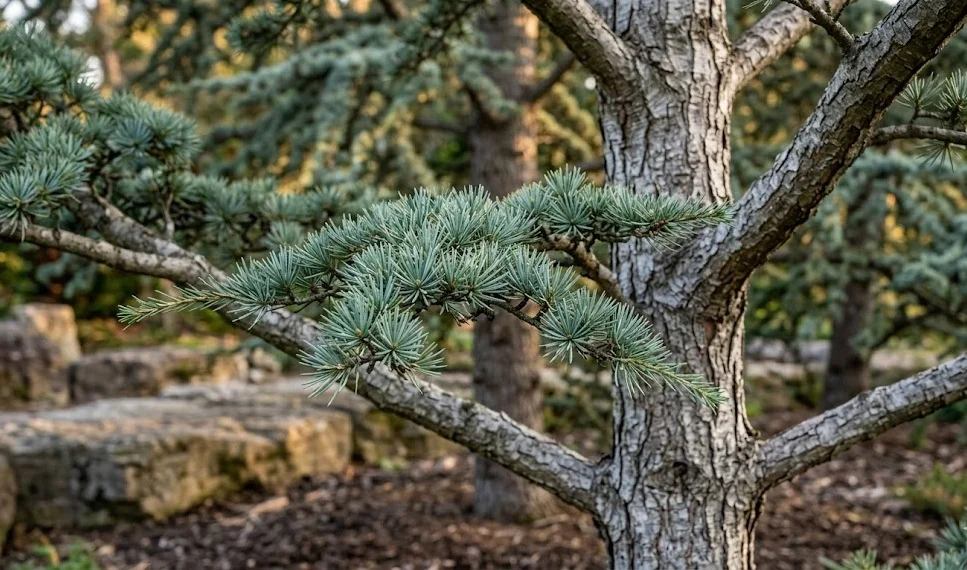

Proper maintenance of the atlas cedar ensures that this majestic evergreen thrives for decades in various landscape settings. This species is renowned for its resilience and striking silvery-blue foliage, which requires specific attention during the early years of establishment. Gardeners must understand that a professional approach involves monitoring soil conditions, environmental stressors, and the structural integrity of the branches. Consistent care leads to a robust specimen that serves as a focal point in any large-scale garden or park.
Establishing a healthy environment for the atlas cedar begins with a thorough evaluation of the surrounding microclimate. These trees prefer open spaces where air circulation is consistent, reducing the risk of fungal developments on the needles. While they are hardy, young specimens benefit from protection against harsh, drying winds that can cause needle desiccation during the winter months. A professional caretaker always observes the tree’s reaction to its specific location to make necessary adjustments in the maintenance routine.
Soil management remains a cornerstone of long-term care for this coniferous species. The ground must offer excellent drainage to prevent root rot, which is one of the most common causes of decline in these trees. Periodically testing the soil pH can help in maintaining a slightly acidic to neutral environment, which is ideal for nutrient uptake. Adding a layer of organic mulch around the base helps retain moisture while also suppressing weeds that compete for vital resources.
The structural development of the atlas cedar requires regular observation to ensure a strong central leader and balanced canopy. Professionals look for competing leaders or crossing branches that might compromise the tree’s architecture as it matures. Managing the weight of the sprawling branches is essential, especially for the “Glauca Pendula” variety, which may need supplemental support. Early intervention through minor corrective measures prevents the need for drastic pruning later in the tree’s life cycle.
Long-term health monitoring involves looking for subtle changes in needle color or growth patterns. A healthy tree should exhibit vigorous new growth each spring, with dense foliage that reflects its characteristic metallic hue. If the needles appear sparse or yellowing, it often indicates an underlying issue with soil compaction or moisture levels. Consistent documentation of growth rates and seasonal appearances helps in identifying problems before they become irreversible.
Seasonal transitions dictate specific changes in the care protocol to prepare the tree for varying temperatures. In late autumn, a deep watering session ensures the vascular system is hydrated before the ground freezes. During the peak of summer, monitoring for heat stress becomes a priority, especially in regions with prolonged dry spells. Each season presents unique challenges that require a proactive rather than reactive management style to maintain peak vitality.
Avoiding common pitfalls in maintenance is crucial for those seeking a specimen-quality tree. Over-watering is a frequent mistake that leads to anaerobic soil conditions and subsequent root death. Similarly, applying heavy nitrogen fertilizers late in the season can stimulate tender growth that is susceptible to frost damage. By following a disciplined care schedule, the gardener protects the investment made in such a long-lived and valuable landscape feature.
Advanced cultivation techniques include the use of mycorrhizal inoculants to enhance the root system’s ability to absorb water and minerals. These beneficial fungi create a symbiotic relationship that significantly boosts the tree’s natural defenses against environmental stress. Furthermore, using tensiometers to measure soil moisture tension provides precise data for irrigation management. Professional arboriculture relies on these scientific tools to achieve optimal growth results in high-value landscape projects.