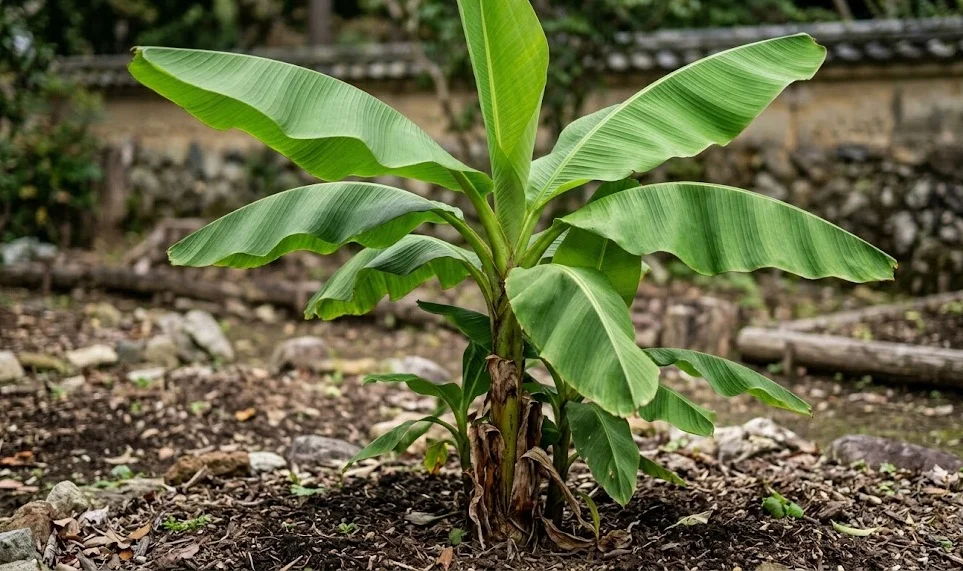

To maintain the vigorous growth and lush appearance of the Japanese banana, a strategic approach to hydration and nutrition is absolutely essential. These plants act as biological pumps, moving vast quantities of water and minerals through their systems to sustain their massive, moisture-rich leaves and stems. Without a consistent supply of these basic building blocks, the plant will quickly show signs of stress, such as drooping foliage or stunted development. Mastering the balance between providing enough resources and avoiding the pitfalls of over-saturation is the hallmark of a successful banana grower.
Understanding hydration requirements
The Japanese banana is composed mostly of water, which explains why its demand for moisture is so consistently high throughout the growing season. The large surface area of the leaves leads to a high rate of transpiration, meaning the plant loses water to the atmosphere very quickly, especially on hot or windy days. To compensate for this loss, the roots must have access to a reliable supply of water in the soil at all times. If the internal water pressure drops, the plant loses its structural turgidity and the leaves will begin to flag or hang limp.
However, high water demand does not mean the plant should be kept in a swampy environment, as the roots also require oxygen to function. The ideal state for the soil is “consistently moist,” which feels like a wrung-out sponge—damp to the touch but not dripping with liquid. In very hot weather, you may find that the plant needs to be watered every single day, particularly if it is growing in a container or in very sandy soil. Observing the plant’s behavior in the late afternoon will tell you if your current watering schedule is sufficient.
The quality of the water you use can also have an impact on the long-term health of the plant, although this species is generally quite resilient. Rainwater is the best choice whenever possible, as it is naturally soft and free from the chemicals often found in municipal tap water. If you must use tap water, letting it sit in an open container for twenty-four hours can help some of the chlorine dissipate. While minor mineral buildup in the soil is rarely an issue for outdoor plants, it is something to keep in mind if you are growing specimens in pots.
Environmental factors like humidity and temperature will dictate how quickly the soil dries out and how much the plant needs to drink. During humid, overcast periods, the transpiration rate slows down, and you can reduce the frequency of watering to prevent the soil from becoming overly saturated. Conversely, in a dry heatwave, you might need to supplement the soil moisture with occasional misting of the foliage to provide a temporary microclimate of higher humidity. Learning to read the weather and the plant’s reactions is the key to perfect hydration management.
More articles on this topic
Optimizing watering frequency and timing
Timing your watering sessions is just as important as the volume of water you provide for the overall efficiency of the plant. The best time to water a Japanese banana is in the early morning, before the heat of the sun reaches its peak. This allows the plant to fully hydrate its tissues in preparation for the day’s transpiration and ensures that the leaves have time to dry if they get wet. Watering in the evening is also an option, but you must be careful not to leave the foliage damp overnight, which can encourage fungal growth.
Deep watering is far more effective than frequent, shallow sprinkling, as it encourages the roots to grow deeper into the soil profile. When you water, you should aim to saturate the entire root zone, allowing the moisture to penetrate at least thirty centimeters below the surface. This deep reservoir of moisture acts as a buffer, protecting the plant if you happen to miss a day or if the weather turns unexpectedly hot. A slow, steady soak using a drip hose or a garden hose on a low setting is the most efficient method.
For plants grown in containers, the watering dynamics change significantly because the root volume is restricted and the soil dries out much faster. You should check container-grown bananas daily, and during the height of summer, they may even require watering both in the morning and the evening. Ensure that the pots have large drainage holes to prevent water from pooling at the bottom, which is a common cause of rhizome failure in container gardening. Using a high-quality, water-retentive potting mix can help extend the time between waterings.
As the growing season transitions into autumn and the temperatures begin to drop, it is vital to gradually reduce the frequency of your watering. The plant’s metabolism slows down, and its water requirements decrease significantly as it prepares for dormancy. Excessively wet soil during the cooler months can lead to cold-induced root rot, which is often fatal for the rhizome. By letting the soil dry out slightly more between waterings in late September and October, you help the plant transition safely into its winter rest.
More articles on this topic
Essential macro-nutrients for growth
Because the Japanese banana grows so fast, it is often described as a “heavy feeder” that can quickly deplete the nutrients in its immediate environment. The three primary macro-nutrients—nitrogen, phosphorus, and potassium—each play a distinct and critical role in the plant’s development. Nitrogen is the most important during the early and middle parts of the growing season, as it is the primary driver for leaf and stem production. Without adequate nitrogen, the leaves will appear pale or yellowish, and the plant’s overall stature will remain small.
Potassium is perhaps the most underrated nutrient for bananas, but it is essential for the plant’s structural integrity and water regulation. It helps the plant build strong cell walls, making it more resistant to wind damage and better able to manage its internal moisture levels. High levels of potassium are also linked to improved frost resistance and overall plant vigor as the season comes to an end. Many experienced growers use a fertilizer with a high “K” (potassium) value to ensure their plants stay sturdy and healthy.
Phosphorus is required in smaller amounts compared to nitrogen and potassium, but it is vital for healthy root development and energy transfer within the plant. A strong root system is the foundation that allows the plant to take up all the other nutrients and water it needs. Most well-balanced garden fertilizers contain sufficient phosphorus for the needs of a Japanese banana, but it’s important to ensure it’s present during the initial planting phase. This nutrient helps the young plant settle in and build the “infrastructure” it needs for massive summer growth.
In addition to these three, secondary nutrients like magnesium and calcium are also important for maintaining the vibrant green color of the leaves and preventing physiological disorders. A deficiency in magnesium often manifests as yellowing between the veins of the older leaves, a condition known as interveinal chlorosis. Providing a balanced fertilizer that includes trace minerals or occasionally applying a small amount of Epsom salts can help maintain these secondary levels. A holistic approach to nutrition ensures that no single deficiency holds back the plant’s impressive potential.
Organic vs mineral fertilizers
Choosing between organic and mineral fertilizers depends on your gardening philosophy and the specific needs of your Japanese banana at different times. Mineral or synthetic fertilizers offer the advantage of being highly concentrated and rapidly available to the plant’s roots. This can be particularly useful in the late spring when you want to “jump-start” the growth after the plant emerges from dormancy. However, over-reliance on these products can lead to salt buildup in the soil and may not support long-term soil health.
Organic fertilizers, such as well-rotted manure, compost, and seaweed extracts, provide a more sustained and gentle release of nutrients over time. These materials also improve the soil structure and foster a healthy community of beneficial microbes and fungi that assist the plant in nutrient uptake. Using compost as a top-dressing or “mulch” around the base of the banana is one of the best ways to provide long-term nutrition. Organic options are generally safer for the environment and reduce the risk of “burning” the sensitive roots with high chemical concentrations.
Many successful gardeners use a hybrid approach, utilizing organic matter to build the soil and synthetic fertilizers for a mid-season boost. For example, you might apply a thick layer of composted manure in the early spring and then supplement with a liquid mineral fertilizer every two weeks during the peak heat of July. This gives the plant the “fuel” it needs for its fastest growth phase while still maintaining a healthy, living soil environment. Always remember to water the plant before and after applying any concentrated fertilizer to help it move through the soil.
Slow-release granular fertilizers are another excellent option, especially for those who may not have the time for frequent liquid feeding. These granules are designed to break down over several months, providing a steady “trickle” of nutrients to the root zone. This method is particularly effective for container-grown bananas where nutrients are easily leached out by frequent watering. Whichever method you choose, the key is consistency; a banana plant that experiences “famine” between “feasts” will never reach its maximum size.
Practical application schedules
Establishing a regular schedule for feeding and watering takes the guesswork out of banana care and ensures the plant never goes through a period of deficiency. During the early spring, as soon as you see the first green tip emerging from the ground or the wrapped trunk, start by deeply watering the area. This initial hydration wakes up the rhizome and prepares the soil for the first light application of a balanced fertilizer. Focus on getting the soil moisture levels stabilized before you start pushing the plant with heavy nutrients.
As the temperatures rise in June and July, move into your “maximum growth” feeding and watering routine. This typically involves a deep soaking of the root zone every two to three days, or daily in extreme heat, and a full-strength liquid feeding every fourteen days. During this period, the plant is at its most active, and you will see the results of your efforts in the form of massive new leaves every week. This is the time to be most vigilant, as a single week of neglect can cause the plant to stall its growth.
By the time late August arrives, it is time to start shifting your strategy to prepare the plant for the upcoming winter. You should stop using high-nitrogen fertilizers at this point and switch to a formula that is higher in potassium to help the tissues mature and harden. Reduce the frequency of watering as the days shorten and the evaporation rate naturally declines. This gradual slowdown signals to the internal systems of the banana that it is time to begin storing energy in the rhizome rather than spending it all on new foliage.
Throughout the entire process, let the plant be your ultimate guide and adjust your schedule based on its visual feedback. If the leaves are a deep, rich green and stand upright, your watering and fertilizing are likely perfect. If you see brown edges, yellowing, or a general lack of vigor, it is time to reassess your soil moisture or nutrient levels. Every garden is slightly different, and your ability to adapt your schedule to your specific local conditions is what will eventually lead to mastery over these magnificent tropical giants.