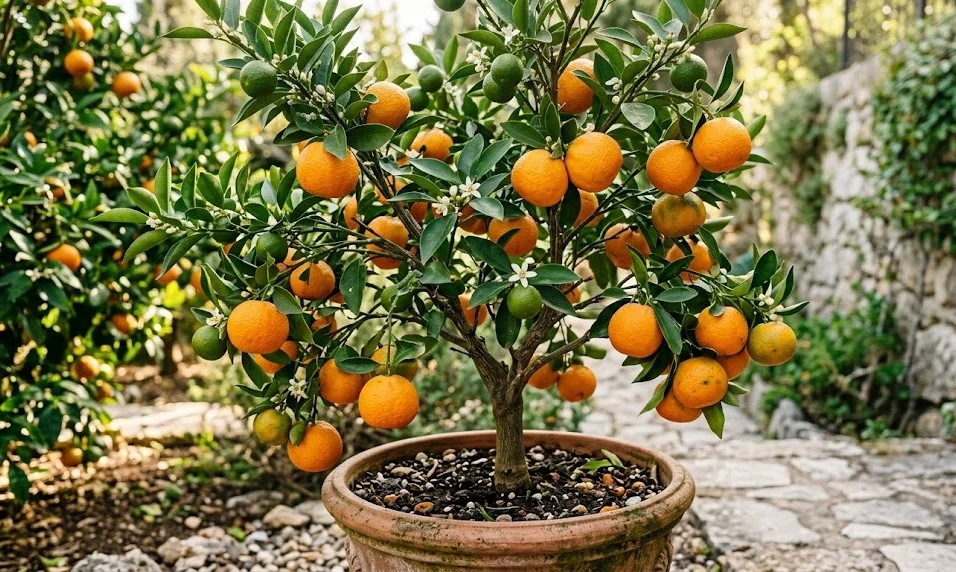

Proper hydration and nutrition are the twin pillars of high-yield mandarin cultivation in any climate. Citrus trees have unique physiological demands that change significantly between the active growing season and the dormant winter period. A professional approach involves balancing the immediate needs of the plant with the long-term health of the soil biology. By mastering these two elements, a grower can ensure that their trees remain resilient against environmental stressors and pests.
Precision watering strategies for citrus Irrigation for mandarins must be consistent but never excessive to avoid the dangers of waterlogged soil. The frequency of watering depends heavily on the ambient temperature, humidity levels, and the age of the tree. It is best to water deeply so that the moisture reaches the lower parts of the root zone where it stays cooler. Checking the soil moisture manually by feeling the top few inches is a reliable way to determine if a new application is necessary.
Seasonal shifts in moisture requirements During the peak of the summer heat, mandarins increase their transpiration rates and require more frequent hydration. Conversely, as the weather cools and the tree enters a slower growth phase, the amount of water should be reduced significantly. Overwatering during the winter months is a common mistake that can lead to root diseases and nutrient leaching. Observing the weather patterns and adjusting the irrigation schedule accordingly is a hallmark of an expert gardener.
Comprehensive nutrient management Mandarins are considered heavy feeders and require a wide range of macro and micro-nutrients to thrive. Nitrogen is essential for lush green growth, while phosphorus and potassium support root development and fruit quality. Professional citrus fertilizers also include vital elements like magnesium, iron, and zinc to prevent common chlorosis issues. Applying these nutrients in smaller, frequent doses is often more effective than a single heavy application that might burn the roots.
Organic matter and soil conditioning In addition to mineral fertilizers, incorporating organic matter into the soil provides long-term benefits for the tree’s health. Compost or well-rotted manure improves the soil’s cation exchange capacity, allowing the tree to access nutrients more efficiently. This organic layer also supports a healthy population of soil microbes which break down complex materials into plant-available forms. Maintaining a living soil environment ensures that the mandarin tree has a stable foundation for many years of production.
More articles on this topic
Recognizing and correcting deficiencies A keen eye can detect nutrient imbalances long before they cause permanent damage to the mandarin tree’s structure. For instance, yellowing between the veins of older leaves often points to a magnesium deficiency that needs urgent attention. Nitrogen deficiency usually manifests as a general paling of the entire leaf surface across the whole canopy. By using targeted foliar sprays or soil drenching, growers can quickly provide the missing elements and restore the tree to full health.