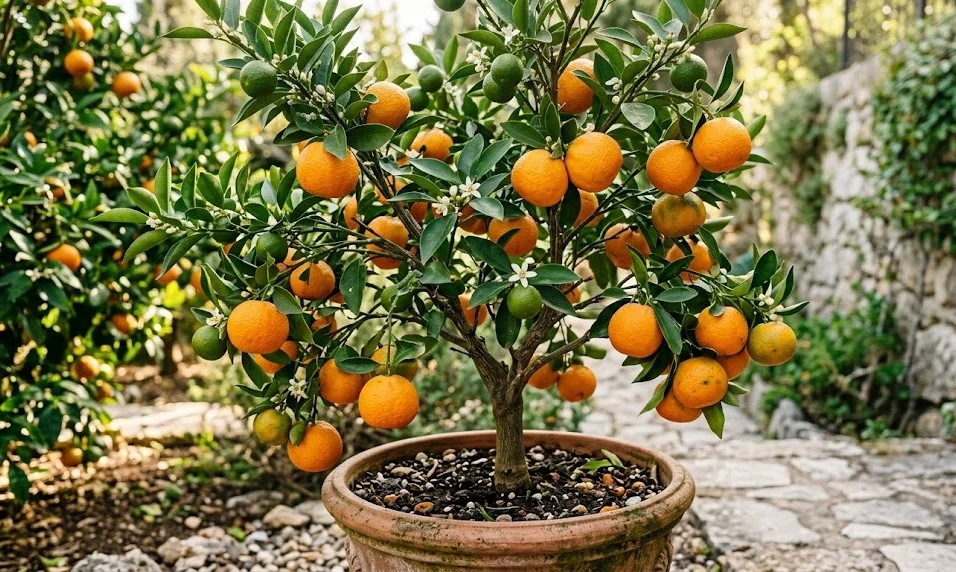

Pruning is a vital horticultural practice that helps maintain the health, shape, and productivity of mandarin trees over their lifetime. Unlike some other fruit trees, mandarins do not require aggressive annual pruning, but they do benefit from regular structural maintenance. The goal is to create a balanced canopy that allows for excellent light penetration and air circulation throughout the entire plant. A well-pruned tree is not only more attractive but is also less prone to diseases and mechanical failure under the weight of its fruit.
Timing and frequency of pruning The best time to prune a mandarin tree is usually in late winter or early spring, just before the new growth begins. This timing allows the tree to heal its wounds quickly as the sap begins to flow more vigorously with the warming weather. Pruning during the height of summer or late autumn should be avoided, as it can stimulate tender growth that is vulnerable to heat or frost. Regular, light maintenance is always preferable to heavy, infrequent cutting which can shock the tree and reduce its yield.
Removing unproductive and damaged wood The first step in any pruning session is the removal of the “three Ds”: dead, damaged, or diseased wood. These branches provide an entry point for pathogens and can harbor pests that threaten the rest of the tree. Suckers, which are vigorous shoots growing from the rootstock below the graft union, must also be removed immediately. These shoots take energy away from the productive scion and will not produce the desired quality of fruit if left to grow.
Thinning the canopy for light and air A dense interior canopy can become a stagnant zone where pests thrive and light cannot reach, leading to the death of inner branches. Thinning involves strategically removing some of the smaller branches to open up the center of the tree. This process improves the drying time of the leaves after rain or irrigation, which is a key factor in preventing fungal infections. It also ensures that the fruit developing inside the canopy receives enough light to ripen properly and develop a good flavor.
Heading back and shape maintenance Heading back refers to shortening a branch to a specific lateral bud to encourage more compact and bushy growth. This technique is particularly useful for maintaining the size of container-grown mandarins or for shaping a young tree’s primary scaffold. It is important to make clean cuts at a slight angle to prevent water from pooling on the wound surface. By guiding the growth of the tree through careful cutting, the grower can ensure a strong structural framework that will support heavy harvests for many years.