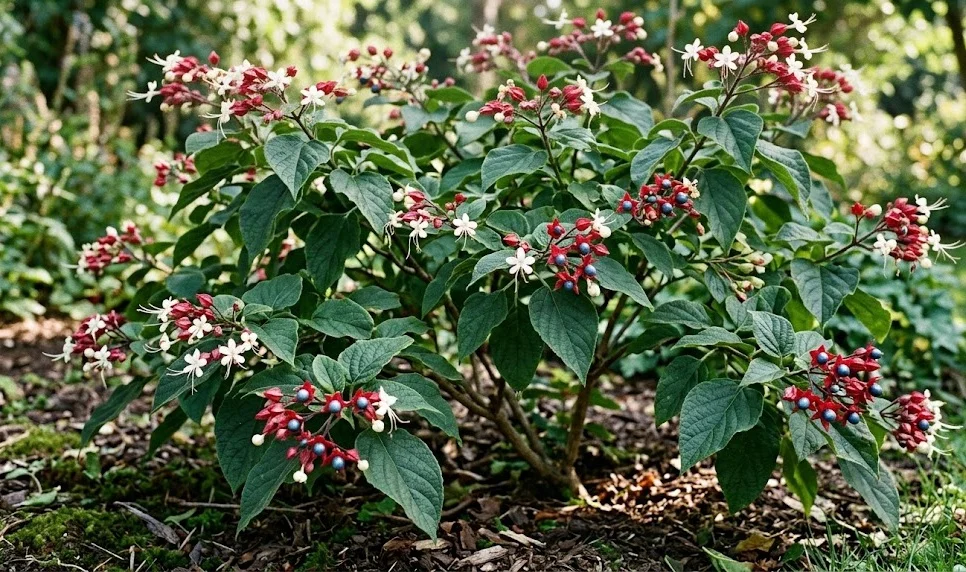

Establishing a successful environment for the harlequin glorybower requires a deep understanding of its unique biological needs and growth patterns. This ornamental shrub is prized for its fragrant white flowers and striking metallic blue berries that appear in late summer. Homeowners and professional landscapers alike appreciate its ability to add a touch of exotic flair to temperate gardens. Achieving its full potential involves careful consideration of site placement, soil chemistry, and long-term maintenance strategies.
The general health of this species depends largely on the consistency of the microclimate where it is situated. It thrives best in locations that offer protection from harsh northern winds which can damage the delicate foliage. Providing a stable environment allows the plant to focus its energy on root development and floral production rather than stress recovery. Observation of the plant’s reaction to seasonal changes is the first step in becoming a proficient caretaker.
Soil composition serves as the fundamental foundation for the metabolic processes of the shrub throughout the year. It prefers a medium that is rich in organic matter and maintains a slightly acidic to neutral pH balance. Compaction should be avoided at all costs, as the root system requires adequate oxygen levels to function efficiently. Testing the soil before the growing season starts can provide valuable insights into necessary amendments.
Landscape integration is another critical aspect of general care that often goes overlooked by novice gardeners. Because this plant can reach significant dimensions, it needs enough space to breathe and expand its canopy naturally. Crowding it with aggressive neighbors can lead to nutrient competition and reduced airflow within the branches. Proper spacing ensures that each specimen remains a focal point without compromising the health of the surrounding flora.
Understanding the growth cycle
The annual rhythm of the harlequin glorybower is a fascinating progression from dormant winter wood to lush summer greenery. In early spring, the first signs of life appear as small buds begin to swell along the stems. This is the period when the plant requires the most metabolic support to fuel its rapid expansion. Monitoring the speed of leaf development can tell you a lot about the vigor of the root system.
More articles on this topic
As the heat of midsummer approaches, the shrub shifts its focus from vegetative growth to reproductive efforts. This transition is marked by the appearance of complex flower clusters that emit a scent reminiscent of jasmine or peanuts. The sheer volume of blooms can be increased by ensuring the plant has sufficient energy reserves from the previous months. Maintaining optimal conditions during this phase is vital for the subsequent berry production.
Late summer and early autumn bring the most visually stunning transformation of the entire year. Once the white petals fall away, the calyxes turn a vivid red, encircling the developing blue fruits. This display is not just for aesthetics; it is the culmination of a successful growing season and a sign of a healthy plant. Collectors often value this period as the peak of the shrub’s ornamental contribution to the garden.
Winter marks a period of rest where the plant sheds its leaves and enters a state of dormancy. While it may look lifeless, the internal systems are busy preparing for the next cycle of growth. This is a time for the gardener to step back and avoid excessive intervention or heavy fertilization. Respecting this natural downtime is essential for preventing premature sap flow during unseasonably warm spells.
Optimizing the soil environment
Soil texture plays a pivotal role in determining how well the root system can anchor and hydrate the plant. A loamy structure is ideal because it strikes the perfect balance between moisture retention and drainage capacity. Sandy soils may drain too quickly, leading to drought stress, while heavy clay can suffocate the roots. Mixing in well-rotted compost can significantly improve the physical properties of almost any base soil type.
More articles on this topic
Chemical balance within the earth is just as important as the physical structure for long-term vitality. High alkalinity can lead to iron chlorosis, which manifests as yellowing leaves with green veins. Correcting this usually involves the application of elemental sulfur or iron chelates to lower the pH slightly. Regular monitoring ensures that the nutrient availability remains consistent with the plant’s requirements.
Mulching is a highly effective technique for preserving the integrity of the soil environment around the base. A thick layer of organic mulch, such as shredded bark or leaf mold, helps regulate ground temperature. It also prevents the growth of competing weeds that would otherwise steal valuable moisture and minerals. As the mulch decomposes over time, it naturally enriches the topsoil with humus.
Drainage efficiency must be verified, especially in regions that experience heavy seasonal rainfall. The harlequin glorybower cannot tolerate “wet feet” or standing water for extended periods of time. If the planting site is prone to saturation, consider creating a slightly raised mound to encourage runoff. Proper drainage prevents the onset of root rot and other moisture-related physiological disorders.
Environmental stressors and mitigation
Extreme weather events can pose significant challenges even to the most established garden specimens. High-velocity winds are particularly dangerous as they can tear the large, soft leaves or even break brittle branches. Planting near a fence, wall, or a line of sturdier evergreens can provide a much-needed windbreak. This physical protection helps maintain the integrity of the canopy and reduces transpirational water loss.
Temperature fluctuations during the shoulder seasons can trick the plant into breaking dormancy too early. A sudden late frost can kill off the tender new shoots, forcing the plant to restart its growth from secondary buds. While the shrub is generally resilient, multiple occurrences of this can deplete its stored energy reserves. Using temporary covers during predicted frost nights can save a season’s worth of growth.
Urban environments present their own set of stressors, including air pollution and limited root zones. This species is surprisingly tolerant of urban conditions, but it still requires clean foliage to photosynthesize effectively. Occasionally hosing down the leaves can remove dust and pollutants that might clog the stomata. Ensuring that the soil remains uncompacted in high-traffic areas is also vital for urban health.
Drought tolerance increases as the plant matures, but young specimens remain highly vulnerable to dry spells. Extended periods without water can lead to leaf scorch and premature leaf drop as a survival mechanism. While the plant may recover once water is reapplied, the stress often translates to fewer flowers. Consistent monitoring of soil moisture during the first three years is the best way to avoid these setbacks.
Aesthetic and structural development
The natural form of the harlequin glorybower is somewhat irregular and suckering, which gives it a wild, cottage-garden appeal. Some gardeners prefer to train it into a single-stemmed small tree to showcase the interesting bark texture. This requires early intervention and a clear vision of the desired final shape. Regardless of the form chosen, the goal should be to create a balanced and open structure.
Foliage density is a hallmark of a well-cared-for shrub, providing a lush green backdrop for other plants. The leaves are quite large and heart-shaped, offering a coarse texture that contrasts beautifully with fine-needled evergreens. Maintaining this density requires a steady supply of nitrogen during the early summer growth spurt. A healthy canopy also provides shade for the root zone, creating a self-sustaining cooling effect.
Berry production is the ultimate reward for the patient gardener and requires specific environmental cues. To maximize the display, the plant needs a long, warm growing season followed by a gradual cooling. If the weather turns cold too quickly, the berries may not have enough time to reach their full metallic blue intensity. Positioning the plant in a spot that captures the late afternoon sun can help extend the ripening period.
Suckering habit is a natural characteristic of this species that can be used to create a thicket or hedge. However, in more formal settings, these underground runners must be managed to keep the plant contained. Removing unwanted suckers at the base as soon as they appear will direct more energy to the main framework. This management task is a regular part of the annual care routine for this versatile shrub.
Long-term health monitoring
Routine inspections of the plant’s overall appearance can help catch potential issues before they become systemic. Look for changes in leaf color, unusual spots, or a sudden decrease in growth rate. These symptoms are often the plant’s way of communicating a deficiency or environmental imbalance. Early detection allows for minor adjustments rather than drastic interventions later in the season.
Root health is difficult to observe directly but can be inferred from the vigor of the upper canopy. If the plant seems unstable in the ground or shows signs of wilting despite moist soil, root issues may be present. This could be due to pests, rot, or even mechanical damage from nearby construction. Protecting the root zone from heavy foot traffic is a simple but effective long-term health strategy.
The aging process of the wood also requires attention to ensure the structural integrity of the specimen. Over time, older branches may become less productive and more prone to breakage during storms. Systematically replacing a small percentage of old wood with new growth keeps the plant youthful and vibrant. This gradual renewal process is much better for the plant than a one-time, heavy-handed pruning.
Documentation of the plant’s performance over several years can provide a personalized guide for its care. Note the dates of the first flowers, the peak of the berry display, and the timing of leaf drop. Comparing these notes with weather patterns helps you predict the plant’s needs in future seasons. A dedicated gardener views the care of this species as a long-term partnership with nature.
Advanced techniques for enthusiasts
Grafting is an advanced method that some specialists use to combine the hardiness of certain rootstocks with the superior flowering of selected cultivars. While not common for the average homeowner, it represents the next level of horticultural expertise. Understanding the compatibility of different varieties can lead to more resilient garden additions. This technique requires precision and a controlled environment to ensure success.
Soil inoculation with beneficial mycorrhizal fungi can enhance the plant’s ability to absorb water and nutrients. These fungi form a symbiotic relationship with the roots, effectively extending the reach of the root system. Many professional growers use this approach to give young plants a competitive advantage during establishment. It is a natural way to boost the health of the plant without relying solely on chemical inputs.
Controlled stress, such as strategic water withholding, is sometimes used to trigger a more prolific flowering response. This must be done with extreme caution and only on well-established, healthy plants. The idea is to mimic a natural dry season, which signals the plant to focus on reproduction. However, miscalculating this can lead to permanent damage, so it is reserved for the most experienced.
Hybridization experiments are another area where dedicated amateurs can contribute to the field of horticulture. By cross-pollinating different specimens, you might create a variety with unique flower colors or increased cold hardiness. This process takes years of patience to see the results of the seeds produced. It is a testament to the deep fascination that the harlequin glorybower inspires in those who grow it.