
Establishing a consistent routine is the primary secret to maintaining the vibrant beauty of this perennial favorite in any professional garden setting. You should understand that while these plants are remarkably hardy, they respond exceptionally well to attentive management throughout the growing season. A successful approach involves balancing the natural resilience of the species with specific interventions that promote lush foliage and deep crimson blooms. By following these professional guidelines, you can ensure that your specimens remain a focal point of the landscape for many years to come.
Care begins with a thorough understanding of the specific microclimate where the plants are situated within the garden layout. You must observe how the environment shifts from the early spring awakening to the heat of midsummer afternoons. Each plant requires enough space to breathe and expand its root system without competing too heavily with aggressive neighbors. Taking the time to monitor these basic conditions sets the stage for all subsequent maintenance tasks you will perform.
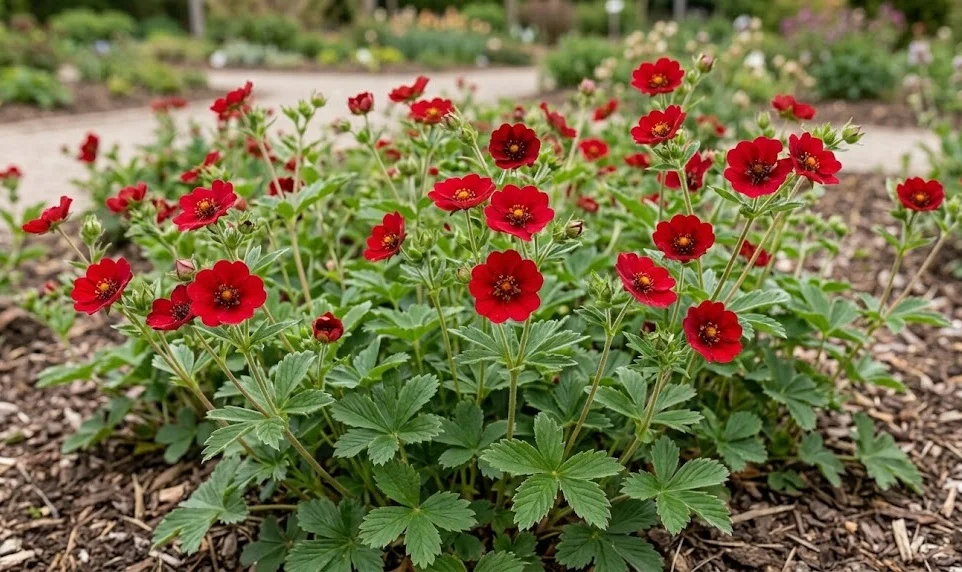
Maintaining the aesthetic appeal of the foliage is just as important as encouraging the development of the striking red flowers. You should regularly inspect the leaves for any signs of discoloration or unexpected changes in texture that might indicate stress. Healthy silver-green leaves provide a perfect contrast to the blooms, making the entire plant stand out in a mixed border. Keeping the area around the base clean of debris will further enhance the overall appearance and health of the plant.
Professional gardeners know that consistency in care leads to predictable and rewarding results during the flowering peak. You should aim to create a stable environment where the plant does not have to struggle against extreme fluctuations in its immediate surroundings. This involves a combination of soil management, light monitoring, and periodic physical inspections of the plant structure. When you provide this level of dedicated attention, the reward is a spectacular display of color that defines the summer garden.
Soil management for optimal growth
The foundation of long-term health lies in the quality and structure of the soil where the roots establish themselves. You should aim for a medium that offers excellent drainage while still holding onto a baseline level of moisture. Heavy clay soils can be problematic because they often trap water and restrict the oxygen flow to the delicate root hairs. Amending the planting site with organic matter or fine grit can significantly improve the texture for these specific perennials.
More articles on this topic
Nutrient availability is another critical factor that you must consider when managing the soil for your garden beds. While these plants are not overly demanding, they do appreciate a balanced soil profile that supports both leaf and root development. You can achieve this by incorporating well-rotted compost into the upper layers of the soil before the growing season starts. This natural approach provides a slow release of essential elements that sustains the plant without causing sudden growth spurts.
The pH level of the soil should ideally stay within a neutral to slightly acidic range for the best results. You can easily test your soil to determine if any adjustments are necessary to bring it into the optimal window. If the soil is too alkaline, the plant may struggle to take up certain micronutrients, leading to pale or yellowing leaves. Professional landscape managers often use sulfur-based amendments to gently lower the pH over several months if the initial tests show high alkalinity.
Compaction is a silent enemy of root health that you should actively work to prevent in high-traffic garden areas. When the soil becomes too tight, it prevents the roots from expanding and makes it harder for water to penetrate the surface. You can use a hand fork to gently aerate the soil around the base of the plants once or twice a year. This simple action keeps the soil structure open and ensures that the root system has the space it needs to thrive.
Seasonal attention and monitoring
As the seasons transition from the cool rains of spring to the dry heat of summer, your care routine must adapt accordingly. You should pay close attention to the weather forecasts and adjust your manual interventions based on the actual conditions. During periods of high humidity, it is vital to ensure that there is enough air circulation around the plants to prevent moisture-related issues. Conversely, during a heatwave, you might need to provide temporary shade or increased hydration to prevent the foliage from scorching.
More articles on this topic
Early spring is the time when you should clear away any old growth and prepare the site for the new cycle. You will see the first signs of life emerging from the crown, which is your signal to start the active maintenance phase. Removing any dead material left over from the winter helps the plant focus its energy on fresh, healthy stems and leaves. This early intervention also makes it much easier to spot any potential problems before they become established in the garden.
Midsummer is the peak period for flowering, and this is when the plant requires the most support from the gardener. You should be diligent about removing spent flowers to encourage the plant to produce a second flush of blooms. This process, often called deadheading, prevents the plant from putting all its energy into seed production too early in the season. It keeps the plant looking tidy and extends the period of visual interest for anyone visiting the garden.
As autumn approaches, you should begin to wind down the intensive care routines and allow the plant to prepare for its dormant phase. This involves reducing the amount of supplemental feeding and letting the foliage age naturally as the temperatures drop. You should not be tempted to do heavy pruning at this stage, as the old stems provide some protection for the crown during the first frosts. Observing these natural cycles helps you work in harmony with the plant rather than fighting against its biology.
Garden companionship and placement
Choosing the right neighbors for your plants can significantly influence how well they perform and how much care they require. You should look for companion plants that share similar light and water requirements but offer different visual textures. Low-growing herbs or silver-foliaged groundcovers often make excellent partners for the upright stems of the pimpó. This creates a layered look that is both aesthetically pleasing and functionally beneficial for the soil microclimate.
Strategic placement within the garden layout can reduce the amount of manual work you need to do over the long term. You should place these perennials in spots where they can receive the maximum amount of morning light while being protected from harsh winds. If you tuck them into a corner with poor air movement, you may find yourself dealing with more health issues than necessary. A well-placed plant is a happy plant that will largely take care of itself once it is fully established.
Consider the mature size of the plant when you are designing your borders to avoid overcrowding in future years. You should give each specimen enough room to reach its full spread without smothering the plants located directly next to it. When plants are too close together, they compete for the same pool of nutrients and water, which can lead to stunted growth. Maintaining a respectful distance between individuals allows each one to showcase its unique form and color.
Integrating these perennials into a larger ecological garden design can also help with pest and disease management. You should encourage a variety of beneficial insects by planting a diverse range of flowering species nearby. These natural predators will help keep the population of harmful pests under control without the need for chemical interventions. A balanced garden ecosystem is the hallmark of a professional approach to sustainable landscape management and care.
Routine health checks and troubleshooting
Performing regular visual inspections is the best way to catch any potential issues before they escalate into major problems. You should walk through your garden at least once a week and take a close look at the stems, leaves, and flowers. Look for any unusual spots, holes, or wilting that does not seem related to a simple lack of water. Early detection allows you to take targeted action, which is always more effective than trying to fix a widespread issue later on.
Check the base of the plant to ensure that the crown is not buried too deeply or lifting out of the ground. You should make sure that the mulch layer is not touching the stems directly, as this can sometimes lead to rot in humid conditions. If you notice that the plant seems loose in the soil, gently firm it down with your hands to re-establish good root contact. Small adjustments like these can prevent a plant from failing due to simple physical instability or improper planting depth.
Monitoring the growth rate can give you a good indication of the overall vitality of the specimen in its current location. You should see steady progress throughout the spring and early summer as the stems elongate and the flower buds form. If the plant seems stagnant or the new leaves are significantly smaller than usual, it may be a sign that it needs more nutrients. Understanding the normal growth patterns of the species allows you to recognize when something is truly wrong.
Pay attention to how the plant responds to the specific tools and techniques you use during your maintenance sessions. You should always use clean, sharp shears when trimming to ensure that the cuts heal quickly and cleanly. If you notice that the plant takes a long time to recover after a pruning session, you might need to adjust your timing or technique. Learning from the plant’s reactions is a key part of becoming a more skilled and professional gardener.
Essential tools for professional care
Having the right equipment on hand makes it much easier to provide high-quality care without damaging the delicate plant tissues. You should invest in a set of high-quality bypass pruners that are sized correctly for your hand to ensure precision during trimming. Keeping your tools sharp is not just about making the job easier; it is about protecting the health of the plant. A clean cut closes faster and is much less likely to become an entry point for pathogens or pests.
A sturdy hand trowel and a small garden fork are essential for managing the soil and checking the moisture levels near the roots. You should use the fork to gently lift the soil surface if it becomes capped or compacted after a heavy rainstorm. The trowel is useful for adding small amounts of compost or organic fertilizer exactly where it is needed around the base. Having these basic tools within reach encourages you to perform the small maintenance tasks that make a big difference.
A reliable watering can with a fine rose attachment is often better than a high-pressure hose for focused irrigation. You should aim the water at the base of the plant rather than over the foliage to keep the leaves dry. This simple tool allows you to control the volume and speed of the water, ensuring that it soaks into the ground rather than running off. Controlled watering is a professional technique that conserves resources while delivering the maximum benefit to the root system.
Finally, a comfortable pair of gardening gloves will protect your hands while allowing you to feel the plant’s structure. You should choose gloves that provide a good grip but are flexible enough to handle small stems and delicate flowers. Protecting yourself is part of a professional mindset, allowing you to work efficiently and safely in all weather conditions. With the right tools and a dedicated approach, caring for your perennials becomes a rewarding part of your daily routine.
Achieving long-term garden success
The ultimate goal of professional care is to create a garden that matures gracefully and continues to perform year after year. You should view each growing season as a learning opportunity that helps you refine your techniques for your specific environment. Over time, you will develop a deep intuition for what the plants need based on the subtle clues they provide. This connection between the gardener and the landscape is what transforms a simple collection of plants into a professional-grade magazin-worthy garden.
Consistency is the thread that ties all these different aspects of care together into a successful management plan. You should not wait for problems to appear before you take action; instead, focus on the preventative measures that maintain health. A well-maintained plant is much better equipped to handle occasional stresses like drought or cold snaps. By staying ahead of the curve, you reduce the overall effort required to keep the garden looking its absolute best.
Sharing your experiences with other enthusiasts can also help you grow as a professional gardener and agricultural expert. You should take notes on what worked well and what challenges you faced during different parts of the year. This personal record becomes a valuable resource that you can refer back to when planning future garden projects. Professionalism in gardening is as much about documentation and reflection as it is about the physical work in the soil.
In conclusion, the care of these stunning crimson perennials is a journey that requires patience, observation, and a bit of hard work. You should take pride in the vibrant colors and healthy foliage that result from your dedicated efforts throughout the seasons. When you treat the garden with respect and follow professional standards, the results will always be worth the time invested. Enjoy the process of nurturing life and watching your garden thrive under your expert care and guidance.