
Protecting your perennials from biological threats is a critical aspect of professional garden management that requires constant vigilance and quick action. You should understand that even the hardiest species can occasionally fall victim to specific pathogens or hungry insects under the right environmental conditions. A successful defense strategy is built on early detection, proper identification, and the use of integrated pest management techniques. By maintaining a clean and healthy environment, you can minimize the impact of these threats and keep your garden looking spectacular throughout the year.
Fungal issues are perhaps the most common challenge you will face, particularly during periods of high humidity or excessive rainfall. You should be on the lookout for powdery mildew, which appears as a white, dusty coating on the surface of the leaves and stems. This fungus doesn’t usually kill the plant, but it can significantly reduce its vigor and spoil its appearance if left unchecked. Improving air circulation around the plants and avoiding overhead watering are the best preventative measures you can take to keep this issue at bay.
Leaf spot diseases are another fungal threat that can manifest as dark, circular lesions on the foliage during the middle of the growing season. You should remove any heavily infected leaves as soon as you see them to prevent the spores from spreading to the rest of the plant. If the problem persists, it may be a sign that the plants are too crowded or that the soil drainage is not as good as it needs to be. Addressing these underlying environmental factors is always more effective than relying solely on chemical treatments for long-term control.
Crown rot is a more serious condition that can occur if the base of the plant stays too wet for extended periods, especially in heavy soils. You should inspect the base of the stems regularly for any signs of softening, discoloration, or an unpleasant smell. If you catch it early, you might be able to save the plant by improving the drainage or moving it to a more suitable location. However, a plant with advanced crown rot is often best removed and destroyed to protect the health of the surrounding garden inhabitants.
Managing common insect pests
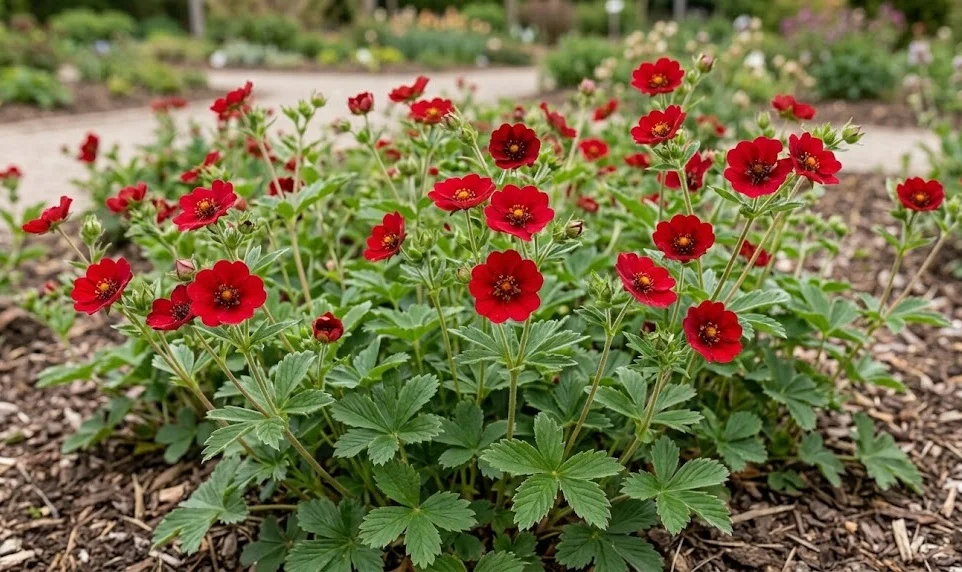
Aphids are frequent visitors to the succulent new growth of many garden perennials, and these crimson-flowered plants are no exception. You should check the undersides of the leaves and the tips of the new shoots for these small, soft-bodied insects that suck the sap from the plant. While a few aphids are rarely a major concern, a large infestation can cause distorted growth and a general lack of vigor. A strong stream of water from a garden hose is often enough to dislodge them without the need for any harsher interventions.
More articles on this topic
Spider mites can become a problem during hot, dry spells when the plant is already under a bit of environmental stress from the heat. You should look for very fine webbing and a speckled or bronzed appearance on the leaves, which indicates that these tiny pests are feeding on the foliage. Increasing the humidity around the plant or providing extra water during heatwaves can help to discourage spider mites from taking hold. These pests thrive in dusty, dry conditions, so keeping the area clean and well-hydrated is your best defense against them.
Slugs and snails can sometimes target the lower leaves of the plant, especially in damp, shaded parts of the garden or during a wet spring. You should look for the tell-tale slime trails and irregular holes in the foliage that these nocturnal feeders leave behind. Clearing away debris and old mulch from around the base of the plants removes the hiding spots that these pests use during the day. If the damage is severe, you might consider using organic baits or barriers to protect the most vulnerable parts of the plant.
Beneficial insects are your greatest allies in the ongoing struggle against the pests that want to feed on your garden treasures. You should encourage ladybugs, lacewings, and predatory mites by avoiding the use of broad-spectrum pesticides that kill both friends and foes alike. A healthy population of these natural predators will often keep the pest levels below the threshold where they cause any visible damage. Professional garden management is about working with these natural forces to create a balanced and resilient ecosystem.
Recognizing environmental stress
Sometimes, what looks like a disease or a pest problem is actually the plant reacting to unfavorable environmental conditions in its immediate surroundings. You should be able to distinguish between biological threats and physiological issues like sunscald, nutrient deficiencies, or drought stress. For example, brown edges on the leaves can often be a sign of uneven watering rather than a fungal infection or an insect attack. Taking a moment to consider the recent weather and your care routine can help you identify the true cause of the plant’s distress.
More articles on this topic
Nutrient imbalances can manifest in a variety of ways that might be mistaken for more serious diseases by the inexperienced eye. You should be aware that a lack of iron can cause yellowing between the leaf veins, while a nitrogen deficiency often leads to an overall pale appearance. Before you reach for a fungicide or a pesticide, consider whether the plant simply needs a better-balanced diet from the soil. A soil test is a professional tool that can provide definitive answers and prevent you from applying the wrong treatment to a struggling plant.
Poor air quality or chemical drift from nearby maintenance activities can also cause unexpected damage to the foliage of your perennials. You should be cautious when using herbicides on adjacent lawns or paths, as even a small amount of drift can cause distorted growth in sensitive plants. If you notice a sudden and widespread change in the appearance of your plants that doesn’t fit the pattern of a pest or disease, investigate these external factors. Protecting your plants from these man-made stresses is just as important as managing the natural ones.
Temperature extremes, both hot and cold, can place a significant burden on the plant’s internal systems and lead to visible symptoms. You should expect some temporary wilting on the hottest days of the year, provided the plant recovers once the sun goes down and the air cools. Similarly, a late spring frost can damage the tender new growth, leaving behind blackened or shriveled stems that look quite alarming. Understanding how the species responds to these physical challenges allows you to provide the right kind of support at the right time.
Preventative strategies for health
Maintaining a high standard of garden hygiene is the most effective way to prevent many diseases from ever getting a foothold in your borders. You should always remove and dispose of any dead or diseased plant material immediately, rather than leaving it on the ground where pathogens can overwinter. Cleaning your pruning tools with a mild disinfectant between plants is a professional habit that prevents the accidental spread of viruses and fungi. These simple steps take very little time but offer a massive return in terms of overall garden health and longevity.
Proper spacing and thinning are essential for ensuring that each plant has the light and air it needs to remain dry and healthy. You should avoid the temptation to pack too many plants into a small space, as this creates the stagnant, humid conditions that diseases love. If a clump becomes too dense over the years, use the division techniques discussed earlier to open up the structure and improve the internal air movement. A well-spaced garden is naturally more resistant to the spread of pests and diseases than a crowded one.
Choosing resistant varieties and healthy starting stock is the first step in a professional approach to pest and disease management in the landscape. You should inspect any new plants thoroughly before bringing them into your garden to ensure that you are not accidentally introducing a problem. Look for vigorous growth, clean foliage, and a strong root system that shows no signs of rot or insect damage. Starting with healthy plants gives you a significant advantage that will pay off throughout the life of the garden.
Regular monitoring and documentation allow you to recognize patterns and stay one step ahead of the potential threats to your plant collection. You should keep a garden journal where you note down the timing of any issues you encounter and the effectiveness of the treatments you applied. This professional record-keeping helps you build a deep knowledge of your specific site and the challenges it faces each year. Knowledge is the most powerful tool in your arsenal for protecting the beauty and health of your perennials.
Natural and targeted control methods
When an intervention is necessary, you should always start with the least invasive methods and only move to stronger treatments if the problem is severe. You should consider using horticultural oils or insecticidal soaps for common pests like aphids and spider mites, as these have a lower impact on the environment. These products work by physical contact and do not leave behind persistent residues that can harm beneficial insects or the soil biology. Always apply these treatments during the cooler parts of the day to avoid any risk of leaf burn from the sun.
Baking soda sprays and other simple home-remedies can sometimes be effective for managing early stages of powdery mildew on the foliage. You should mix a small amount of bicarbonate of soda with water and a drop of dish soap to help it stick to the leaf surfaces. This changes the pH on the leaf, making it a much less hospitable environment for the fungal spores to grow and spread. These low-tech solutions are often favored by professionals who prioritize sustainable and organic garden management practices.
Biological controls, such as releasing commercially available predatory insects, can be a highly effective way to manage persistent pest problems in a larger garden. You should research which predators are most effective for your specific issues and ensure that you provide the right conditions for them to thrive once released. This approach requires a bit more planning and patience than a chemical spray, but it leads to a much more stable and healthy garden ecosystem over time. It is the gold standard for modern, professional agricultural and horticultural management.
If you must use a synthetic chemical treatment, you should choose a product that is specifically labeled for the problem you have identified and follow all safety instructions. You should only treat the affected plants rather than spraying the entire garden, which minimizes the overall impact on the environment. Never apply any chemicals when the plants are in full bloom and active with bees and other important pollinators. A professional gardener is always a steward of the environment and acts with care and responsibility at every step of the process.