
Maintaining the shape and vigor of your perennials through regular pruning is a fundamental skill for any professional gardener or landscape manager. You should understand that cutting back is not just about aesthetics; it is an essential intervention that promotes healthy new growth and maximizes the flowering potential of the species. A thoughtful approach to pruning involves understanding the timing of the plant’s lifecycle and using the correct techniques to ensure clean, fast-healing cuts. By mastering these professional methods, you will keep your plants looking their absolute best and prevent them from becoming overgrown or untidy.
The primary pruning task during the growing season is the regular removal of spent flowers, a process known as deadheading. You should perform this task at least once a week during the peak blooming period to prevent the plant from putting its energy into seed production. By removing the fading blooms, you encourage the plant to continue producing new flower buds, significantly extending the period of visual interest in your garden. Deadheading is a simple but highly effective professional technique that keeps the border looking fresh and vibrant for many months.
When you are deadheading, you should cut the flower stem back to the first set of healthy leaves or to a new bud that is already forming. You should avoid leaving long, empty stems, which can look untidy and provide a potential entry point for pests or diseases. Using sharp, clean shears ensures that the cut is clean and will heal quickly without any stress to the rest of the plant tissue. This level of attention to detail is what separates a professional maintenance routine from a casual one and leads to much better results.
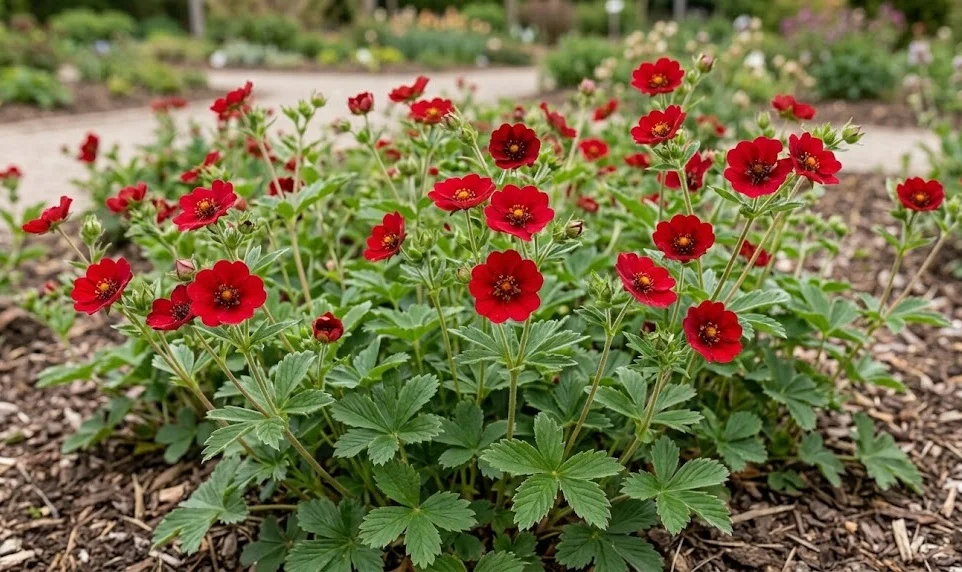
In addition to removing the flowers, you should also take the opportunity to trim away any damaged or discolored leaves that you see during your pruning sessions. You should be proactive about maintaining the overall health of the foliage, as this provides the perfect backdrop for the brilliant crimson flowers. Keeping the plant clean and well-groomed not only improves its appearance but also helps you spot any potential issues before they become a major problem. Professional pruning is as much about inspection and prevention as it is about the physical act of cutting the plant.
Seasonal rejuvenation and shaping
A more comprehensive pruning session is usually required in the early spring as the plant begins to wake up from its winter dormancy. You should cut back all the old, dead stems from the previous year to within a few inches of the ground or to the first signs of new green growth. This rejuvenation pruning clears the way for a fresh flush of healthy foliage and ensures that the plant maintains a compact, bushy habit. Without this annual intervention, the plant can become woody and sparse in the center, which reduces its overall aesthetic appeal.
More articles on this topic
If you have a particularly large or older specimen, you might consider thinning out some of the oldest stems to improve the air circulation within the clump. You should aim to remove about a third of the oldest wood each year, cutting it right back to the base of the plant. This process, often called renewal pruning, keeps the plant young and vigorous by encouraging a constant supply of new, productive growth. It is a professional strategy for extending the life of your perennials and maintaining a high standard of performance in the garden.
During the middle of the summer, if the plant starts to look a bit floppy or overgrown, you can perform a light shaping cut to restore its form. You should trim back the longest stems by about a third to encourage a more branched and sturdy structure that can support the weight of the flowers. This mid-season intervention can also trigger a fresh wave of blooms if the plant has started to slow down after its initial peak. A well-timed shaping cut is a secret weapon for professional gardeners who want to keep their borders looking perfect all summer long.
Avoid doing any heavy pruning in the late autumn, as the plant needs its foliage and stems to protect the crown during the first frosts of the season. You should let the plant age naturally as it enters its dormant phase, only removing any truly broken or diseased material if it poses a threat. Patience is key during this time of year, and your restraint will be rewarded with a much hardier and more resilient plant when the spring finally arrives. Understanding the “when” of pruning is just as important as the “how” for professional-grade garden results.
Technique and equipment maintenance
The quality of your tools and the precision of your technique are the final pieces of the professional pruning puzzle for any garden enthusiast. You should always use bypass pruners rather than anvil-type ones, as they provide a much cleaner cut that does not crush the delicate plant tissues. Keeping your blades sharp is your most important responsibility, as a dull tool will tear the stems and create an uneven surface that is much slower to heal. A professional gardener takes great pride in their equipment and ensures it is always in top condition for the work at hand.
More articles on this topic
Before you start any pruning session, you should disinfect your tools with a mild alcohol solution or a specialized garden disinfectant. You should do this especially if you have been working on plants that show any signs of disease, to avoid spreading pathogens through your garden. This simple act of hygiene is a standard professional practice that protects the health of your entire plant collection and prevents many common problems. It takes only a few seconds but offers a massive benefit in terms of long-term garden stability and plant vigor.
When making a cut, you should always aim for a slight angle away from the bud to ensure that water does not sit on the cut surface. You should also be careful not to cut too close to the bud, which could damage it, or too far away, which leaves a “stub” that will eventually rot. Finding the “sweet spot” for each cut is a skill that you will develop with practice and observation over time. Professional pruning is a craft that combines biological knowledge with physical dexterity and a keen eye for detail.
After you have finished pruning, you should collect all the clippings and remove them from the garden to maintain a high standard of cleanliness. You should be especially careful to dispose of any diseased material in the trash rather than the compost pile to prevent the spread of spores. A clean garden is a healthy garden, and your commitment to proper waste management is the final step in a professional pruning routine. With these expert techniques and a dedicated approach, your perennials will remain a highlight of your landscape for many successful seasons.