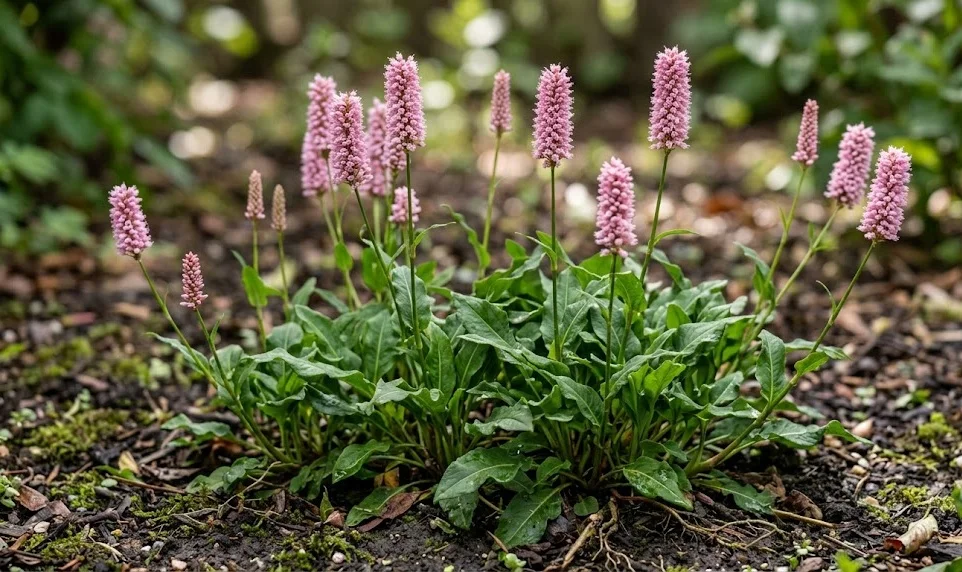

The key to a lush and healthy display of common bistort lies in maintaining a consistent moisture level. You will find that this plant is naturally adapted to environments where the soil rarely dries out completely. During the peak of the growing season, regular watering becomes the most important task in your garden routine. Without adequate hydration, the foliage can quickly lose its turgidity and the flowers may fail to develop properly.
The frequency of your watering will depend heavily on the type of soil in your garden. If you have sandy soil that drains quickly, you may need to water every single day during hot spells. On the other hand, clay soils hold moisture much longer and might only require a deep soak twice a week. You should always check the moisture level a few inches below the surface before you reach for the hose.
Watering at the right time of day can make a significant difference in the health of your perennials. You should aim to water early in the morning before the sun reaches its full strength for the day. This allows the leaves to dry off quickly, which helps prevent the development of various fungal diseases. Evening watering is an alternative, but it can sometimes lead to lingering moisture that attracts slugs.
The method of delivery is just as important as the timing when it comes to effective irrigation. You should focus the water at the base of the plant rather than spraying the foliage directly. Using a soaker hose or a drip irrigation system is a highly efficient way to deliver moisture to the roots. This approach reduces evaporation and ensures that the water reaches exactly where it is needed most.
Identifying and managing water stress symptoms
Learning to read the signals your plants are sending you is a vital skill for any serious gardener. One of the first signs of water stress in this species is a slight drooping of the leaves. If you notice this happening in the late afternoon, it might just be a temporary reaction to the heat. However, if the plant remains wilted in the cool of the morning, it is in desperate need of a drink.
More articles on this topic
Chronic underwatering will eventually lead to more severe symptoms that are harder to reverse in the short term. You will see the edges of the large leaves turning brown and becoming brittle to the touch. The plant may also decide to go dormant prematurely as a survival mechanism to protect its root system. To prevent this, you should never allow the soil to become bone-dry for extended periods.
Overwatering can also be a problem, especially in soils that do not have adequate drainage for the roots. If the roots sit in stagnant water for too long, they can begin to rot and lose their ability to function. You might notice the leaves turning yellow and falling off even though the soil feels very wet. In such cases, you should improve the drainage or consider moving the plant to a slightly higher spot.
Using mulch is one of the most effective ways to manage the moisture levels around your plants. You should apply a five-centimeter layer of organic material, such as bark chips or compost, around the base. This layer acts as an insulator, keeping the soil cool and significantly reducing the rate of evaporation. Mulching also has the added benefit of suppressing weeds that would otherwise steal water from your plants.
Essential nutrients for vibrant flowers and foliage
While the common bistort is not an overly demanding plant, it does benefit from a regular supply of nutrients. You should focus on providing a balanced environment where the soil biology can thrive and support the roots. Healthy soil leads to healthy plants that are much more resistant to pests and environmental challenges. A simple annual application of organic matter is often the best foundation you can provide.
More articles on this topic
Nitrogen is the primary nutrient responsible for the lush, green growth of the large, dock-like leaves. However, you should be careful not to provide too much nitrogen, especially in the late spring or summer. Excessive amounts of this nutrient can lead to soft, sappy growth that is more attractive to aphids. It can also cause the plant to produce fewer of the pink flower spikes that we all enjoy.
Phosphorus and potassium are also important for the overall structural integrity and flowering capability of the plant. Potassium helps regulate the movement of water within the plant and improves its tolerance to cold weather. Phosphorus is essential for strong root development and the production of high-quality seeds if you choose to collect them. A balanced approach ensures that all parts of the plant grow in harmony with each other.
Micronutrients, such as iron and magnesium, play supporting roles in the complex chemistry of the plant’s life. If your soil is very alkaline, the plant might have trouble absorbing some of these essential trace elements. You might notice a yellowing between the veins of the leaves, which is a classic sign of nutrient deficiency. In these specific cases, a foliar spray or a specialized soil amendment may be necessary.
Establishing a professional fertilization schedule
The timing of your fertilizer applications is just as important as the type of product you choose to use. You should apply your primary boost of nutrients in the early spring as the new growth begins to emerge. This gives the plant the energy it needs to build a strong canopy and prepare for the flowering season. Avoid fertilizing in the late autumn, as this can encourage new growth that won’t survive the frost.
Slow-release organic fertilizers are usually the best choice for established perennial beds in most home gardens. You should look for products like well-rotted manure, composted chicken manure, or specialized seaweed-based granules. These materials break down slowly over several months, providing a steady stream of food for the plants. This prevents the “spike and crash” cycle often associated with some synthetic liquid fertilizers.
If you prefer using liquid feeds, you should apply them during the peak of the growing season in early summer. A diluted solution can be applied every two to three weeks to maintain the vigor of the foliage. Always make sure the soil is already moist before you apply any liquid fertilizer to avoid burning the roots. This extra boost can be particularly helpful if the plant is growing in a container or a very crowded bed.
Observation remains your best tool for deciding when and how much to feed your garden plants. If the growth is strong and the flowers are abundant, you might not need to add any extra fertilizer at all. Over-feeding can be just as damaging as under-feeding, as it can lead to an accumulation of salts in the soil. Trust your eyes and the overall appearance of the plant to guide your nutritional decisions.
Soil amendments and long term fertility management
Long-term fertility is built by consistently adding organic matter to the soil surface over many years. You should view your garden soil as a living organism that needs to be fed and nurtured regularly. By adding compost each year, you are not just feeding the plants but also the worms and microbes. These tiny workers are the ones who truly make the nutrients available to the roots of your bistort.
The pH level of your soil can significantly affect how well your plants can access the nutrients you provide. Common bistort prefers a slightly acidic to neutral soil, typically within the range of 6.0 to 7.0. If your soil is extremely limey or alkaline, you might need to add some sulfur or peat alternative to lower the pH. Regular testing with a simple home kit can help you stay within the ideal range for your plants.
Compacted soil is a major barrier to effective fertilization and watering in many established garden beds. You should occasionally use a garden fork to gently aerate the soil around the perimeter of the plant clumps. This allows air, water, and nutrients to penetrate deeper into the root zone where they are most effective. Be careful not to dig too close to the main crown to avoid damaging the shallow rhizomes.
Finally, consider the use of cover crops or green manures if you are preparing a new area for planting. These plants are grown specifically to be dug back into the soil to improve its organic content and structure. This is a professional-level technique that can transform poor soil into a rich, productive environment for perennials. It sets the stage for a thriving colony of bistort that will require much less maintenance in the future.