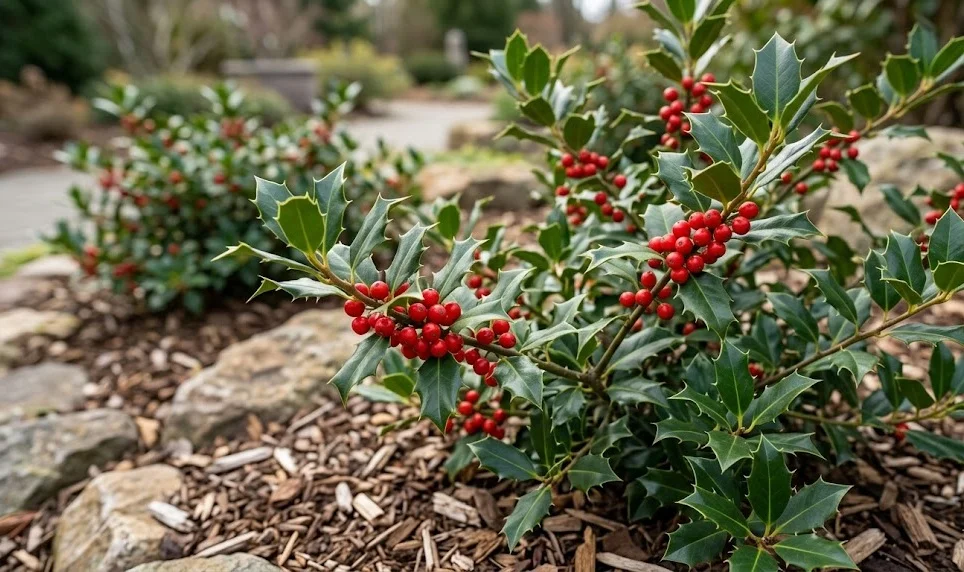

Providing the correct balance of moisture and nutrients is the most effective way to maintain the health and beauty of a Chinese holly. You must approach these tasks with a professional mindset, recognizing that over-care can be just as damaging as neglect. This evergreen species is relatively hardy, but its glossy leaves and bright berries depend on a steady supply of resources. By understanding the specific needs of the plant, you can create a maintenance schedule that promotes long-term vigor and resilience.
Watering is more than just a chore; it is a critical physiological support system for the plant’s metabolic processes. You need to develop a sense of timing that accounts for the weather, the soil type, and the age of the shrub. A deep, infrequent watering strategy is generally superior to light, daily sprinkles that only wet the surface. This approach encourages the roots to grow deeper into the soil, making the plant more self-sufficient during periods of high heat.
Fertilization provides the chemical building blocks necessary for the holly to create new wood and lush foliage. You should avoid the temptation to over-fertilize, which can lead to excessive, weak growth that attracts pests and diseases. Using a high-quality, slow-release product ensures that the plant receives a steady stream of nutrients over many weeks. A professional gardener always tests the soil before applying amendments to ensure they are actually addressing a deficiency.
Combining these two elements into a cohesive plan will result in a specimen that is the envy of the neighborhood. You should always be observant, looking for the subtle signs that indicate the plant is thirsty or hungry. Adjusting your routine based on the seasons and the plant’s life stage is a hallmark of an expert caretaker. With the right watering and feeding, your Chinese holly will remain a vibrant focal point in your landscape for decades to come.
Establishing a professional watering routine
The key to successful watering is understanding how the moisture moves through your specific soil profile. You should aim to keep the soil consistently moist but never saturated, as this balance allows the roots to breathe while staying hydrated. Using your fingers to check the soil moisture levels three or four inches below the surface is a simple but effective technique. If the soil feels dry at that depth, it is definitely time to provide a thorough soak for the plant.
More articles on this topic
During the first two years after planting, the holly will require more frequent attention to its hydration needs. You must ensure that the root ball does not dry out completely, as the young plant has not yet extended its roots into the surrounding soil. Watering twice a week during the dry summer months is often necessary for these young specimens to establish themselves properly. Once the plant is mature, it will be much more tolerant of short periods of drought, but it still performs best with regular moisture.
Environmental factors like wind and humidity play a massive role in how quickly a plant loses water through its leaves. You should be aware that on windy, dry days, the holly may need extra water even if the temperatures are not particularly high. Evergreen leaves are constantly transpiring, meaning they are losing water to the atmosphere even in the middle of winter. Providing a deep watering late in the autumn helps ensure the plant has enough internal reserves to survive the frozen months.
The method of delivery is just as important as the amount of water you provide to the shrub. You should use a soaker hose or a drip irrigation system to deliver water directly to the root zone while keeping the foliage dry. Wet leaves are much more prone to fungal infections, especially when the watering is done late in the evening. A slow, steady drip allows the water to penetrate deeply into the ground without running off the surface and wasting valuable resources.
Adapting to seasonal hydration needs
As the temperatures rise in the summer, the demand for water increases significantly for all evergreen species. You should increase the volume of water you provide during heat waves to compensate for the higher rates of evaporation and transpiration. Providing a deep soak early in the morning is the most efficient way to ensure the plant has enough moisture to get through the hottest part of the day. If you notice the leaves looking slightly wilted or losing their shine, it is a clear sign of heat stress.
More articles on this topic
The transition into autumn is a time to begin gradually reducing the frequency of your watering sessions. You want to encourage the plant to start hardening its tissues in preparation for the upcoming winter dormancy. However, you should never allow the ground to become bone-dry before the first hard freeze of the season. A well-hydrated plant is much better equipped to handle the stresses of cold temperatures and dry winter winds.
Winter watering is a task that many gardeners overlook, but it can be the difference between life and death for a holly. You should check the soil during periods of winter thaw when the ground is not frozen to see if it needs a drink. If the winter has been particularly dry and snowless, a monthly watering can prevent the roots from desiccating. This is especially important for plants located in windy spots or those that receive a lot of winter sun.
Spring is the season of renewal, and as the new growth appears, the holly’s need for water will spike once again. You should ensure the plant has plenty of moisture as it pushes out new leaves and begins its flowering cycle. The early spring rains often provide enough water, but you should be ready to step in if the weather turns unusually dry. Consistent hydration during this phase ensures that the new growth is strong, healthy, and resistant to early-season pests.
Essential nutrients for evergreen health
Fertilizing a Chinese holly is about providing a balanced diet that supports its specific biological requirements. You should look for a fertilizer that is formulated for acid-loving plants, as these products often contain the correct ratio of macronutrients and micronutrients. Nitrogen is important for leaf color and stem growth, while phosphorus and potassium support root development and overall hardiness. A professional-grade fertilizer will also include trace elements like iron and magnesium, which are vital for chlorophyll production.
The timing of your fertilizer applications is crucial to ensure the plant can actually use the nutrients you provide. You should apply the first dose in the early spring just as the buds begin to swell and the plant enters its most active growth phase. A second, lighter application can be done in the early summer to sustain the plant through the heat of the season. Avoid fertilizing after mid-summer, as late-season growth is often too tender to survive the winter frosts.
Organic amendments can be a wonderful supplement to traditional fertilizers and help improve the soil structure over time. You should consider top-dressing the soil with a layer of well-rotted compost or leaf mold each spring. These materials break down slowly, releasing nutrients into the soil while also feeding beneficial earthworms and microbes. This holistic approach to feeding creates a much more stable and healthy environment for the holly’s roots to explore.
Understanding the signals of nutrient imbalance will help you fine-tune your fertilization strategy over the years. You should watch for chlorosis, which is a yellowing of the leaves while the veins stay green, often indicating an iron deficiency. If the new growth is stunted or distorted, it may be a sign that the plant is lacking in essential trace minerals. Being able to diagnose these issues allows you to provide a targeted solution rather than just adding more general fertilizer.
Advanced fertilization techniques and safety
When applying granular fertilizer, you must ensure that it is spread evenly around the drip line of the plant. The drip line is the area directly under the outermost branches, where the majority of the active feeder roots are located. You should avoid getting fertilizer directly against the trunk, as the concentrated salts can burn the bark and damage the plant’s vascular system. Watering the area thoroughly after application helps move the nutrients into the soil where the roots can reach them.
Liquid fertilizers are a great option if you need to provide a quick boost to a plant that is showing signs of stress. These products are absorbed more rapidly than granular versions and can be applied directly to the soil or as a foliar spray. However, you must be careful with foliar feeding, as doing it in direct sunlight can cause the leaves to burn. Liquid feeding should be seen as a temporary supplement rather than a replacement for a solid, long-term fertilization plan.
Testing the soil pH is a mandatory part of a professional feeding routine for any holly species. If the soil is too alkaline, the plant will struggle to absorb many of the nutrients you are providing, no matter how much you fertilize. You should use elemental sulfur or specialized soil acidifiers to keep the pH in the 5.0 to 6.5 range for optimal health. A simple soil test every two or three years will provide the data you need to make the right adjustments.
Over-fertilizing is a common mistake that can lead to a buildup of salts in the soil and damage the delicate root system. You should always follow the manufacturer’s instructions for application rates and never assume that more is better. If you notice a white crust on the soil surface or if the leaf tips start to turn brown, it may be a sign of salt toxicity. In these cases, you should flush the soil with plenty of fresh water to help leach out the excess minerals.
Monitoring and adjusting for long-term success
Maintaining the health of your Chinese holly is an ongoing process of observation and minor adjustments. You should keep a simple log of when you water and fertilize to help you spot patterns over the growing season. This record becomes especially valuable if the plant starts to show signs of decline, as it helps you rule out certain causes. A professional gardener is always learning from the plant and adapting their techniques based on the results they see.
If you are using mulch, remember that it will slowly decompose and add nutrients to the soil on its own. You should factor this into your fertilization plan so that you do not accidentally over-feed the plant. Mulch also helps retain moisture, which means you may be able to water less frequently than you would in bare soil. This synergy between mulching, watering, and feeding is what creates a truly thriving landscape specimen.
As the plant grows larger, its root system will expand, and you will need to increase the area that you cover when watering and feeding. You should continue to focus your efforts on the drip line and slightly beyond to encourage the roots to continue their outward growth. A large, mature holly can have a root system that extends several feet past the branches, and it needs resources in all those areas. Keeping up with the plant’s changing needs is the key to ensuring it lives a long and healthy life.
Ultimately, the goal of watering and fertilization is to provide a stable foundation so the plant can take care of itself. You should aim to create a resilient specimen that can handle the occasional missed watering or a lean year of nutrients. By following professional standards and staying attentive to the plant’s needs, you ensure that your Chinese holly remains a stunning part of your garden. Your dedication to these fundamental tasks will be rewarded with glossy green leaves and a bountiful crop of winter berries.